
In the summer of 1989, music enthusiast Aadam Jacobs slipped a small Sony cassette recorder into his pocket before heading to witness an emerging rock group from Washington state make their Chicago debut at a venue called Dreamerz.
Following a burst of guitar static, 20-year-old Kurt Cobain courteously greeted the audience at the intimate club: “Hello, we’re Nirvana. We’re from Seattle.” The four-piece band then dove into their heavy opening number, “School.”
Jacobs secretly captured that performance, preserving the emerging group in their raw, passionate state more than two years prior to Nirvana’s worldwide success with “Nevermind.”
Over the next four decades, Jacobs would go on to document more than 10,000 live performances across Chicago and beyond, upgrading his recording gear along the way. Today, a dedicated team of volunteers spanning the United States and Europe is systematically organizing, converting to digital format, and uploading these recordings individually.
The expanding Aadam Jacobs Collection has become an online goldmine for music enthusiasts, particularly those drawn to independent and punk music from the 1980s through early 2000s, when these genres flourished and entered the mainstream. The archive showcases early career performances from alternative and experimental acts including R.E.M., The Cure, The Pixies, The Replacements, Depeche Mode, Stereolab, Sonic Youth and Björk.
The collection also contains some hip-hop recordings, including a 1988 performance by pioneering rap group Boogie Down Productions. Phish followers were delighted to find a previously unreleased 1990 concert by the jam band. Additionally, hundreds of performances by lesser-known artists who remain obscure even to the most dedicated music collectors are included.
Everything is gradually being made accessible for streaming and free downloading through the nonprofit Internet Archive, including that early Nirvana recording with enhanced audio quality from Jacobs’ original cassette.
When Jacobs smuggled his recorder into that Nirvana concert, he had already been documenting live music for five years. As a teenager exploring music, Jacobs initially recorded songs from radio broadcasts.
“And I eventually met a fellow who said, ‘You can just take a tape recorder into a show with you, just sneak it in, record the show.’ And I thought, ‘Wow, that’s cool.’ So I got started,” Jacobs, now 59, recalled.
He cannot immediately recall his first recorded concert in 1984, but he captured it using a small Dictaphone-style device borrowed from his grandmother. Soon after, he purchased the Sony Walkman-style recorder. When it malfunctioned, he temporarily used his home cassette deck packed in a backpack, which a helpful sound engineer allowed him to connect.
“I was using, at times, pretty lackluster equipment, simply because I had no money to buy anything better,” he explained. Eventually, he upgraded to digital audio tape (DAT) and later to solid-state digital recording devices as technology advanced.
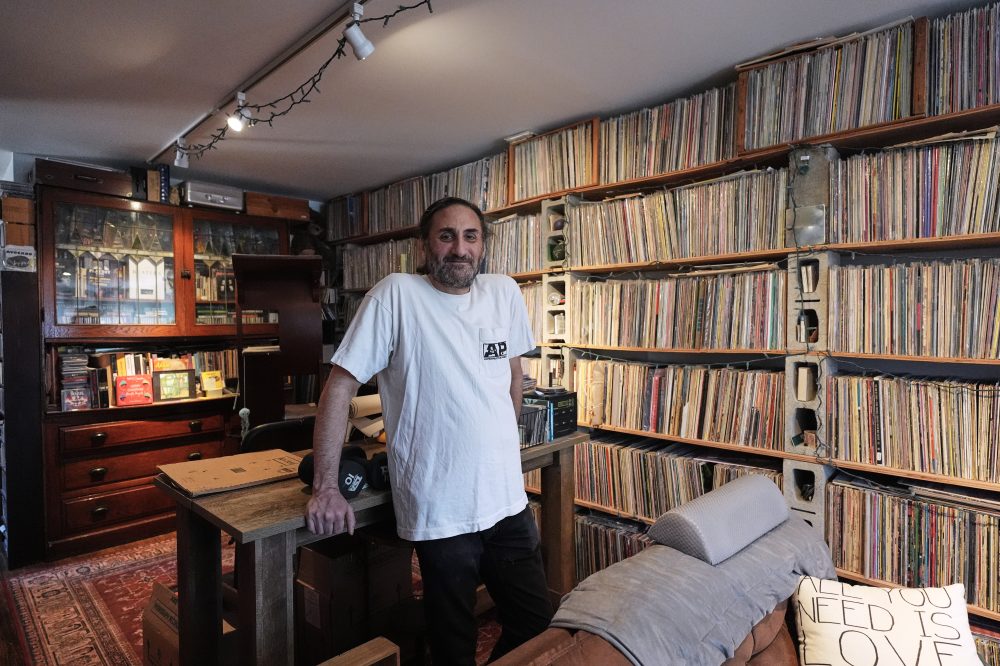
Jacobs rejects the label of obsessive or archivist that many apply to him, describing himself simply as a music lover. He reasoned that since he planned to attend multiple concerts weekly anyway, why not preserve them? Initially, he faced resistance from club owners attempting to stop his recording activities. However, they eventually accepted him as he became established in the music community, with many venues eventually admitting the “taper guy” without charge.
Writer Bob Mehr, who profiled Jacobs in 2004 for the Chicago Reader, considers him one of the city’s cultural landmarks.
“He’s a character. I think you have to be, to do what he does,” Mehr said. “But I think he proved over time that his intentions were really pure.”
Following a local documentary about Jacobs in 2023, an Internet Archive volunteer contacted him about preserving his collection. “Before all the tapes started not working because of time, just disintegrating, I finally said yes,” he said.
Monthly, Brian Emerick travels from Chicago’s suburbs to Jacobs’ city residence to collect 10 or 20 containers, each holding 50 to 100 recordings. Emerick’s responsibility involves transferring the analog recordings to digital format in real-time, which are then sent to other volunteers who enhance and prepare the performances for archive upload. Emerick has dedicated an entire room to his collection of vintage cassette and DAT players.
“So many of the machines I find are broken. They’re trashed. And so I learned how to fix those, get them running again,” said Emerick. “Currently, I have 10 working cassette decks, and I run those all simultaneously.”
Emerick calculates he has converted at least 5,500 performances since late 2024 and expects the project will require several more years to finish. The digital recordings are handled by approximately a dozen volunteer engineers across the United States, United Kingdom, and Germany who add information and improve audio quality. Brooklyn-based Neil deMause, one such volunteer, expresses amazement at the sound quality of the original recordings, particularly given Jacobs used “weird RadioShack mics” and other basic equipment.
“Especially after the first couple years, he’s got it so dialed in that some of these recordings, on, like, crappy little cassette tapes from the early 90s, sound incredible,” deMause said.
Emerick highlighted a 1984 James Brown performance as a standout discovery among the collection.
Frequently, identifying song titles proves most challenging. While Jacobs occasionally maintained useful notes, volunteers often spend days consulting one another, researching, and even contacting artists to ensure accurate setlist documentation.
Jacobs reports that most artists he recorded appreciate having their performances preserved. Regarding copyright issues, he willingly removes recordings upon request, though only one or two musicians have asked for removal so far.
“I think that the general consensus is, it’s easier to say I’m sorry than to ask for permission,” he said. The Internet Archive chose not to provide comment for this story. David Nimmer, an experienced copyright lawyer who also instructs at UCLA, explained that under anti-bootlegging regulations, artists technically control both original compositions and live recordings. However, since neither Jacobs nor the archive profit from this effort, legal action appears improbable.
The Replacements, an influential punk-alternative group, were so satisfied with Jacobs’ recording of a 1986 performance that they incorporated portions with a soundboard recording. They issued it in 2023 as a live album within a box set produced by Mehr.
Jacobs ceased recording several years ago as declining health reduced his motivation to attend live performances. Nevertheless, he continues enjoying live music discovered online, much of it captured by younger fans.
“Since everybody’s got a cellphone, anybody can record a concert,” he said.