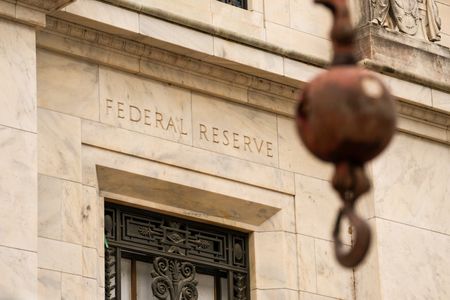

A growing faction within the Federal Reserve is making the case for raising interest rates, with Cleveland Fed President Beth Hammack becoming the latest policymaker to join that call on Friday — the final day officials were allowed to speak publicly before their upcoming July 28-29 policy meeting.
Hammack said she is hearing directly from the business community and everyday Americans about the strain of high prices. “For the first time in my tenure, I’m hearing from businesses who say they think we need to take action to curb inflation, and from consumers who can’t make ends meet about a growing sense of despair,” she wrote in a LinkedIn post.
“Inflation is too high. The labor market is right around my level of maximum employment,” Hammack added, noting that underlying inflation — as tracked by the core personal consumption expenditures price index — likely climbed 3.3% in June. “Persistently high inflation is the bigger concern,” she said.
Hammack, who has been a voting member on Fed policy this year, cast a dissent in April alongside two colleagues who felt the central bank’s stance was too loose. Her comments Friday capped a week of hawkish signals from multiple Fed officials, all of whom raised alarms about higher fuel prices tied to the Middle East conflict and increasing price pressures from the rapid expansion of AI-related data centers.
On Thursday, Dallas Fed President Lorie Logan — who also dissented in April — told a gathering in Houston that conditions call for “modestly higher interest rates.” Fed Vice Chair Philip Jefferson, who rarely tips his hand on policy direction, told a Stanford University audience that if inflation “does not start to cool down soon, I believe that it could be appropriate to reconsider our current policy stance.”
Not everyone is sounding the alarm, however. New York Fed President John Williams said he believes “unquestionably high” inflation will begin to ease, pointing to roughly six factors including limited wage-growth pressure and an expected continued decline in shelter-related inflation.
Fed Chair Kevin Warsh declined to offer any hints about his thinking, telling lawmakers this week that doing so could be counterproductive. “My colleagues know I’m not big for forward guidance,” he said.
The Labor Department reported this week that consumer prices rose 3.5% in June compared to a year ago — still elevated, but slower than the 4.2% surge recorded in May.
Fed Governor Christopher Waller, who believes transparency about how data shapes policy decisions is a core responsibility, said the cooler reading offers little reassurance. He indicated on Monday that he would need to see “several months” of declining inflation readings before concluding that price levels are genuinely heading back toward the Fed’s 2% target.
For now, financial markets are pricing in no change to the Fed’s current policy rate range of 3.50% to 3.75% at the July meeting, though traders expect at least one rate increase before the close of the year.