
WACONIA, Minn. (AP) — Despite deep political divisions, Minnesota residents have discovered common ground in their enthusiasm for meat raffles.
These charitable gaming events have flourished across certain regions of the United States for generations, providing an entertaining fundraising method for nonprofit organizations while distributing prizes that include everything from hamburger meat and frankfurters to poultry and premium cuts. However, as inflation has climbed and protein costs have skyrocketed, Minnesota’s $70 maximum prize value per event has remained unchanged for almost four decades.
Although Minnesota’s sharply divided state legislature has struggled to find consensus on most issues this session, lawmakers appear ready to increase the prize ceiling to $200. This change will enable charitable organizations to provide larger meat packages and premium steaks while supporting local athletic programs and community initiatives. The adjustment will also help preserve the state’s cherished, though unusual, tradition of wagering for protein products.
“This is probably the best feel-good bill that we have going on in the Legislature right now,” said Republican Rep. Jim Nash, lead House author of the meat raffle legislation.
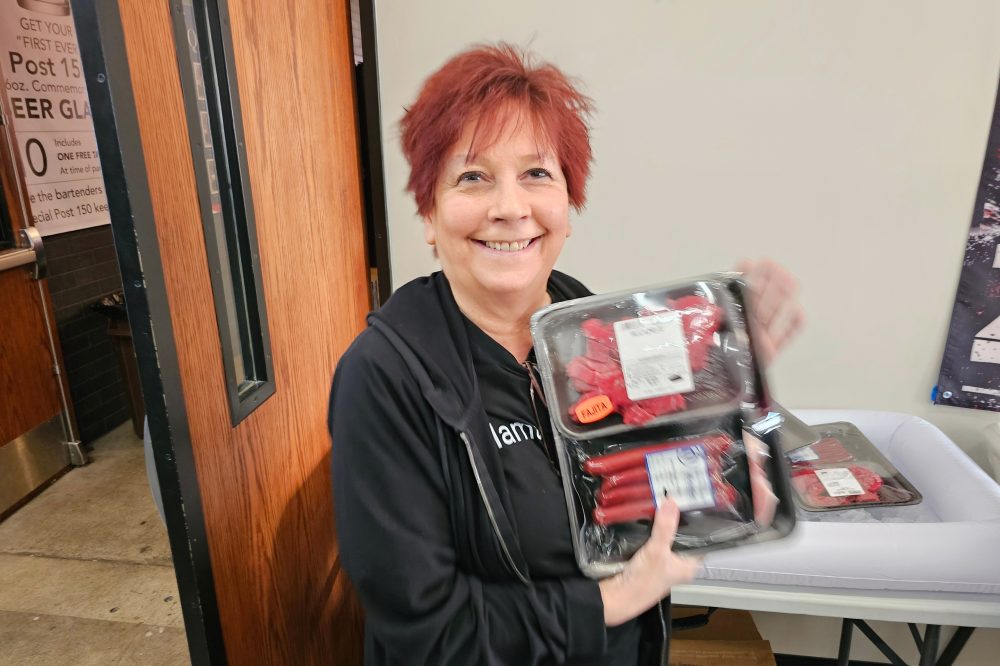
Despite current restrictions, Andrea “Mama” Avaloz celebrated success with her $2 wager. Event coordinators spun their wheel, which stopped on her number 5, declaring her a winner at American Legion Post 150 in the lakeside community of Waconia, approximately 30 miles west of Minneapolis.
“So I have a little fajita meat. We are set to go!” Avaloz said as she picked up her plastic-wrapped prize. “Beef sticks! Love them!”
Shortly afterward, she discovered an unexpected bonus hidden beneath her beef and sausages.
“Oh my God, I have pork chops!” she exclaimed. “I picked a good one! I’m so excited!”
The practice of meat raffles began during World War II as Britain’s answer to wartime food restrictions. The concept expanded to Canada, Australia and New Zealand, eventually reaching Minnesota, Wisconsin, western New York and several other states.
Nash, who serves Waconia’s district, anticipates the House will vote next week to raise the prize limit, with Senate approval following shortly.
“It’s an opportunity for bipartisanship,” he said. “It’s an opportunity to do good things.”
Service organizations operating meat raffles and other charitable gaming activities in Minnesota return their earnings to local communities. Bars and restaurants hosting these events benefit from increased patronage that generates additional food and beverage sales.
Joe Gifford, commander of Post 150, established in 1920, explained that those sales translate to additional funding for Legion baseball and softball programs, plus maintenance of veterans’ memorials.
“Every dollar we raise here, after we pay our bills, actually goes right back into all those different services for community, veterans, and active duty military,” Gifford said. “And the meat raffle is a part of that. It’s one of the instruments where we actually draw crowds in on a Friday.”
In Minneapolis, weekly meat raffles occur Friday evenings at the 1029 Bar, a establishment frequently visited by law enforcement officers. A bullet-damaged police cruiser door hangs behind the bar as decoration.
Roberta Rodriguez, site manager for the Northeast Minneapolis Lions Club, oversees the charitable gaming activities at the establishment, which like Post 150 also features additional games including bingo and pull-tabs.
“We have a lot customers that come every week,” Rodriguez said. “So they get to know each other, they tease each other when someone wins too much.”
Ashley Burris was unfamiliar with meat raffles before relocating to Minnesota from Virginia. She now actively searches for establishments offering them.
“It’s kinda my vibe,” she said during a break in the action.
Burris indicated she was unaware of the proposed legislation or concerns about inadequate prize amounts. Her focus remained on enjoyment.
“It’s never crossed my mind — although you can never have too much rib-eye,” she said.