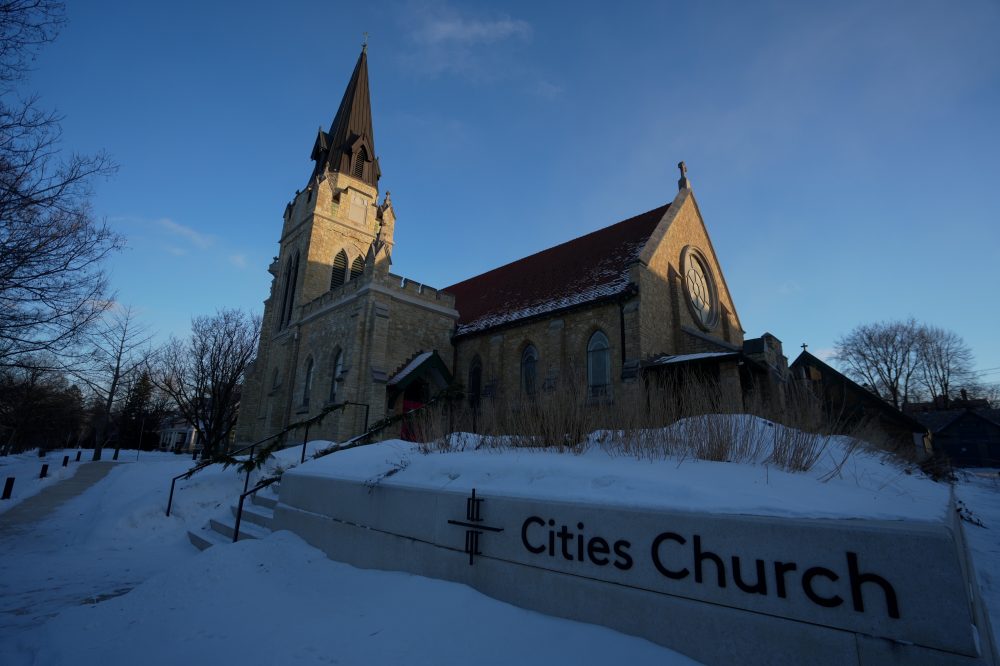

ST. PAUL, Minn. — Nearly 40 demonstrators facing federal criminal charges for disrupting a Minnesota worship service in January will avoid additional state prosecution, a local prosecutor announced Wednesday.
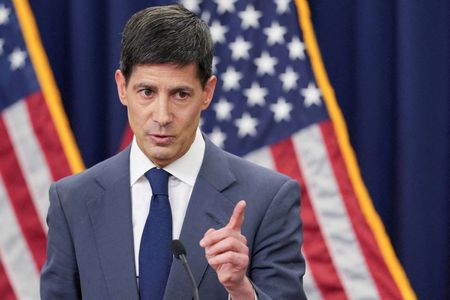
St. Paul City Attorney Irene Kao declared in a statement that “current evidence is insufficient to meet that standard for criminal charges under Minnesota state statutes,” a decision that drew sharp criticism from the lead pastor at Cities Church, where the demonstration took place.
“This decision should not be interpreted as an endorsement of unlawful behavior or public disorder,” Kao stated. “The right to peacefully protest is protected, as is the right to exercise one’s religious beliefs. Balancing these equally important rights is paramount to our decision today.”
Federal authorities filed civil rights charges against 39 individuals, including former CNN journalist Don Lemon and another independent journalist, following a livestreamed incident on Jan. 18. The group disrupted church services by shouting “ICE out” and “Justice for Renee Good.” Good, a 37-year-old mother of three, died after being shot by a U.S. Immigration and Customs Enforcement agent in Minneapolis during heightened federal immigration enforcement activities.
The demonstrators had discovered that one of the church pastors also served as an ICE official supervising the intensive operation in Minnesota.
“According to the St. Paul City Attorney’s logic, it is perfectly fine for agitators to invade a mosque, a cathedral, or a temple, intimidate the families and children inside, and shut down their religious gathering. Just call it a ‘protest,’” Cities Church lead pastor Jonathan Parnell wrote in a statement.
While violence, property damage and public safety threats remain serious issues, Kao noted that none of these occurred during the demonstration.
Church attorneys argued that the absence of broken windows or damaged property doesn’t mean laws weren’t violated.
This year, at least four states — Idaho, Louisiana, Oklahoma and Kansas — passed legislation criminalizing disruptions of worship services.