
NAIROBI/GENEVA – The Middle East conflict involving Iran has created devastating consequences for Somalia’s most vulnerable population: severely malnourished children who were already facing the dual crises of potential famine and significant reductions in international assistance.
Medical facilities across Somalia are being forced to deny treatment to critically undernourished children and limit their supply distributions due to shortages of essential therapeutic nutrition products caused by maritime shipping interruptions, according to recent reporting.
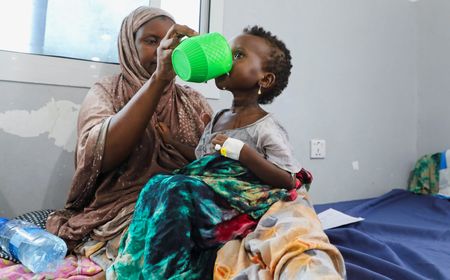
Nearly 500,000 children below the age of 5 are experiencing severe acute malnutrition, also known as wasting – the deadliest category of hunger – and the transportation delays are amplifying the impact of reduced humanitarian funding.
Medical staff in the cities of Baidoa and Mogadishu report they must carefully ration their limited inventory of specialized milk products and nutrient-rich peanut-based therapeutic paste that are essential for saving these young lives.
“Since the needs are large and we don’t have a lot of supplies, we have had to keep reducing the amount we give children,” said nurse Hassan Yahye Kheyre.
Kheyre’s medical facility treats over 1,200 children but has only 225 containers of peanut paste remaining, which the International Rescue Committee estimates will be depleted in approximately two weeks.
“If treatment is on-and-off, the children will become very weak, physically and mentally. And it may not be possible to reverse it,” Kheyre explained.
Three humanitarian organizations, including the IRC, have confirmed that transportation setbacks and increased expenses connected to the Iranian conflict are compounding an already dire situation.
At the medical center in Baidoa’s southwestern region, operated by IRC partner READO, Muumino Adan Aamin, a mother of nine children, has repeatedly attempted to obtain peanut paste for her 11-month-old daughter Ruweido.
Although Ruweido requires three packets daily, Aamin has been denied treatment twice due to supply shortages at the clinic.
Aamin previously almost lost her daughter Anisa during a 2017 drought that brought Somalia close to famine conditions. The child was reduced to “just bone and skin” but survived thanks to peanut paste treatment, Aamin recalled.
Nine years later, another drought has left 6.5 million people – representing one-third of Somalia’s population – facing severe hunger, while aid organizations struggle desperately to address the gaps.
An IRC shipment of peanut paste sufficient to feed more than 1,000 children became stranded two months ago at Mundra port in India, which is now overcrowded with redirected cargo unable to reach Gulf ports, explained Shukri Abdulkadir, IRC’s Somalia coordinator.
When informed that the Indian-manufactured peanut paste would require at least 30 additional days to arrive, IRC canceled the shipment.
The organization then placed an urgent order for 400 containers from Nairobi and is transferring existing supplies from Mogadishu to Baidoa while waiting for the new delivery.
However, increased transportation and production expenses have driven the cost of individual containers from $55 to $200, according to CARE International, whose most recent purchase now provides supplies for only 83 children instead of 300.
During 2024, shipments of therapeutic milk and ready-to-use therapeutic food from Europe to Somalia normally required 30-35 days, extending to 40-45 days in 2025 as vessels rerouted around Africa due to Red Sea security concerns.
Following the February 28 U.S.-Israeli attack on Iran and Iran’s subsequent closure of Gulf access, vessel shortages have extended delivery times to 55-65 days, said Mohamed Omar, Health and Nutrition director at Action Against Hunger in Mogadishu.
Currently in Somalia, the IPC global hunger monitoring system indicates that over 2 million people have reached the “Emergency” classification, just one step below official famine status.
Between January and March, admissions of severely malnourished children to health centers supported by ACF increased by 35% compared to the previous year.
Personnel at Daynile General Hospital, currently treating 360 children for wasting, reported on April 20 that they possessed barely adequate supplies for one week.
“Some children’s nutritional status has already worsened,” stated health and nutrition supervisor Xafsa Ali Hassan.
Somalia was excluded from the 17 impoverished countries selected to receive portions of this year’s funding allocated to the U.N. Office for the Coordination of Humanitarian Affairs by the United States, which has implemented the most severe reductions among international aid contributors.
OCHA reports that more than 200 medical facilities have shut down and mobile treatment teams have been dissolved.
The organization announced in December that over 60,500 severely malnourished children had received no treatment as a consequence, with projections indicating this number could reach 150,000 if funding shortfalls continue.
When the Iranian conflict began, domestic fuel costs increased by 150%.
“Somalia is really hard hit by the Iran war because people are still reeling from the impact of the previous drought,” said IRC’s Abdulkadir. “It’s very difficult for people to absorb these shocks.”
OCHA has requested $852 million from international donors to prevent complete famine conditions.
This represents a significant decrease from last year’s $1.42 billion request, yet only 14% of the reduced amount has been received so far.