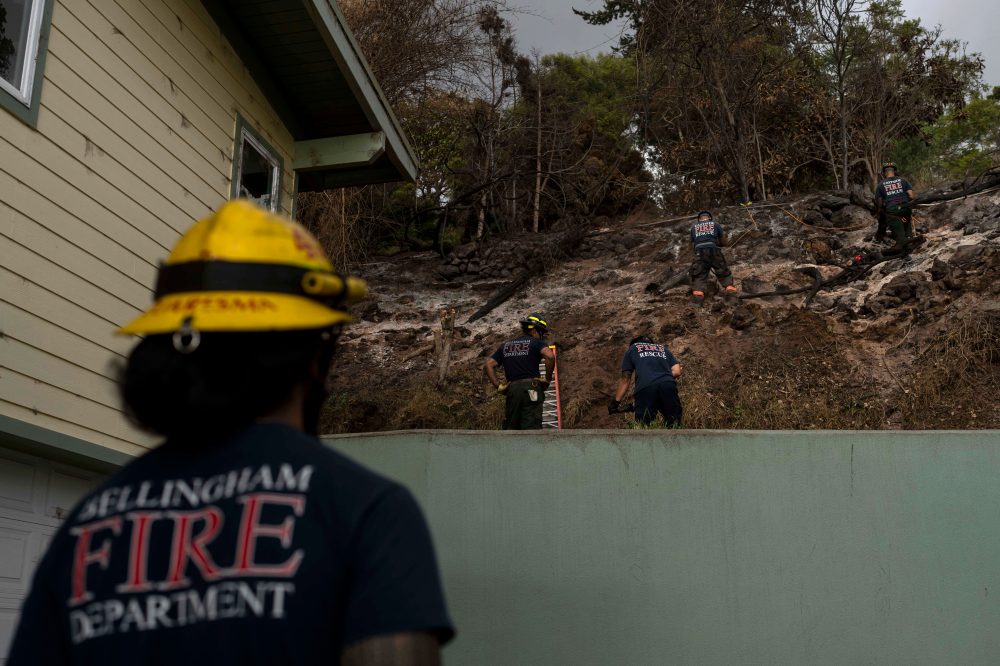

Severe weather events including hurricanes, floods, wildfires and other natural disasters can trigger intense feelings of anxiety and psychological distress.
Mental health professionals who work with disaster survivors say there are effective strategies to manage this stress. Creating a comprehensive emergency plan stands out as one of the most crucial steps, experts emphasize.
“Preparation is always one of the most powerful tools that I can imagine — not just for safety, but also for mental health,” said Ruben Juarez, a health economist at University of Hawaii professor who directed the Maui Wildfires Exposure Study, which looked at health and social impacts of the deadly 2023 fires.
After a disaster passes, mental health experts recommend working to rebuild normalcy through seeking support networks, returning to daily routines and assisting others in recovery efforts.
Kevin Westmoreland, who co-owns The Corner Kitchen in Asheville, North Carolina, had previously learned meditation and breathing techniques to manage restaurant industry pressures. These skills proved valuable when Hurricane Helene’s remnants brought devastating flooding two years ago, sending water and debris through his establishment and leaving “everything was tossed around inside the building as if it was in a blender,” he recalled.
“All you could do to get through it is try to take a breath and move forward, step by step,” he said.
Advance preparation represents a powerful tool for reducing disaster-related anxiety, including developing detailed response plans for emergency situations.
Creating evacuation strategies and assembling emergency supply kits can help people feel more in control during uncertain times, said Melissa Brymer, a psychologist and director of terrorism and disaster programs at the UCLA-Duke National Center for Child Traumatic Stress.
She recommends a step-by-step guide for families at ready.gov/plan. The American Red Cross also has extensive guides for hurricane preparedness. Make sure to consider special preparations for anyone with disabilities, special needs, new mothers and expectant mothers, Brymer advises. Also make sure that pets are included in disaster plans.
Since weather patterns remain unpredictable, accepting that certain factors will remain beyond personal control can help reduce stress levels.
Staying well-informed through reliable sources can also help people feel more prepared for extreme weather situations. Mental health experts suggest focusing on factual information and monitoring official weather alerts and warnings.
The Anxiety and Depression Association of America recommends discussing worries and concerns with trusted friends, family members, therapists or other supportive individuals.
When speaking with children, parents should use straightforward language while explaining that storms occur naturally. While children may feel scared of severe weather, many are also curious to understand these phenomena better.
Adults should acknowledge when situations feel stressful, Brymer noted. However, some discussions should remain between adults to prevent unnecessarily frightening young people.
“Kids kind of register our panic, and then they’re going to panic if we’re starting to panic,” she said. “We don’t want them to start worrying for us.”
Research from the Maui wildfires study revealed that psychological impacts spread throughout entire communities, affecting many residents who lived outside the directly burned areas, Juarez explained. This highlights the importance of recognizing that community disasters can affect mental health even when homes or neighborhoods escape direct damage.
Westmoreland said maintaining perspective helped him manage stress after Helene’s impact.
“We try to look at it like it’s just a business and equipment — as long as our employees are safe, those are the important things,” he said.
The historic restaurant, constructed around 1895 by American industrialist George Vanderbilt in the Biltmore Village section of Asheville, has reopened following extensive renovation and repair work.
Additional recommendations from the Anxiety and Depression Association include:
— Engaging in meaningful activities like blood donation, assembling care packages or volunteering to assist others. These actions can provide purpose and counter feelings of helplessness.
— Connecting with others facing similar challenges for mutual support.
— Recognizing that persistent symptoms lasting several weeks may indicate post-traumatic stress disorder and warrant professional assistance.