
Recent headlines about international conflicts and other troubling events have left many people feeling overwhelmed as they wake up to news alerts, social media feeds, and dinner table discussions dominated by distressing stories.
Mental health professionals emphasize that experiencing stress and anxiety from current events – or feeling like the world has suddenly become chaotic – represents a completely normal human response, though finding healthy ways to manage these feelings remains crucial for psychological well-being.
“Fear, sadness, confusion… these are very normal reactions to very extreme circumstances,” explained Michael S. Ziffra, a Northwestern Feinberg School of Medicine professor and psychiatrist, in comments to The Associated Press. “People shouldn’t feel guilty, or they shouldn’t feel like it’s wrong to feel anxiety. It’s a very normal human response. The key is to know how to manage it.”
Ziffra reports that beginning in 2020 – when the COVID-19 pandemic, social upheaval, and natural disasters dominated headlines – he has “absolutely, without question” observed more patients discussing heightened anxiety triggered by current events.
His patients describe various responses: some need to vent their feelings, others discuss compulsive social media browsing, while many express emotions of powerlessness and frustration.
Mental health experts stress that these reactions are completely expected and natural. Sometimes these feelings can even lead to constructive outcomes – motivating people to engage in advocacy work, participate in social or political groups, or reach out to elected officials.
Many individuals respond by seeking additional information about unfolding events. However, like most aspects of life, maintaining balance proves essential.
“The problem is, for a lot of people, they just kind of wallow in it. They ruminate and obsess and just sort of stew in it,” Ziffra noted.
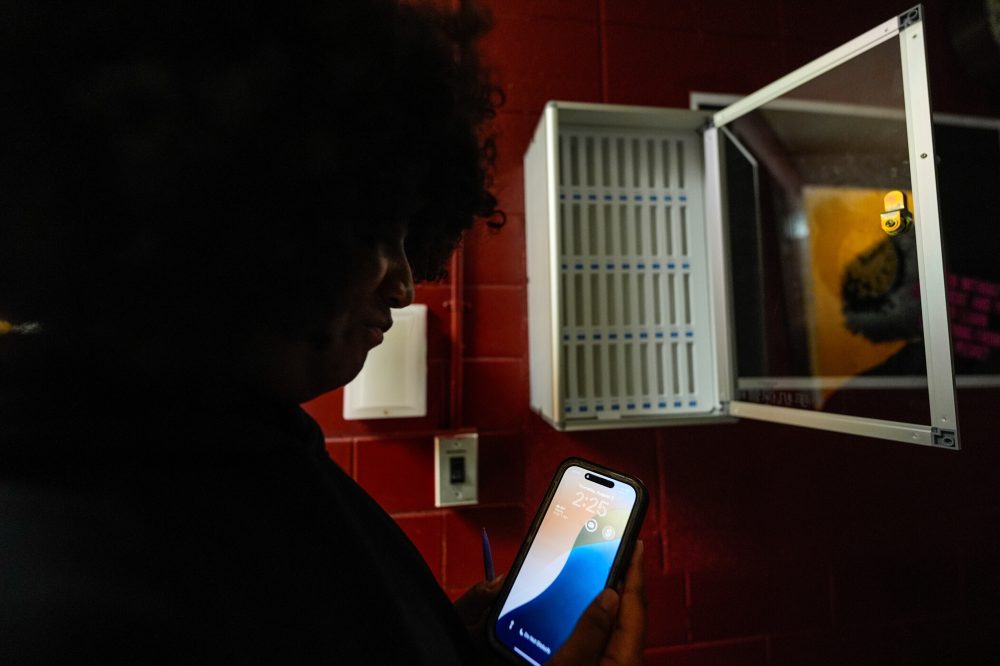
Today’s digital environment places virtually unlimited information just one click away – or even closer, with social media algorithms automatically delivering content and phone notifications interrupting daily routines. People now have constant access to round-the-clock news coverage, while smartphone cameras can instantly capture and spread disaster footage and images within moments.
Dana Rose Garfin, a psychologist and professor at University of California, Los Angeles, has spent years examining “cascading collective traumas” and studying how continuous media coverage of COVID increased public anxiety. She observes that modern news consumption patterns differ dramatically from past habits.
Rather than reading a daily newspaper or watching evening news once per day, people today experience “much more exposure” to current events.
This increased exposure leads to distress as people learn about disasters and breaking news developments.
“In terms of any kind of crisis, people turn to the media for information. And that’s a very logical, rational and helpful reaction,” Garfin explained.
“But, what we’ve seen in our research is there’s this sort of reciprocal effect. An event happens, people learn about it, they turn to the media to learn more about it, and they’re really distressed,” she continued, describing how this creates a difficult cycle to escape. “It sort of activates these processes where then they’re both more distressed and want to know more about this event because they’re distressed.”
While experts acknowledge people’s natural desire to stay informed about current events, they offer guidance for consuming news responsibly without becoming overwhelmed or emotionally drained. Their primary recommendation involves reducing or eliminating social media use and compulsive “doomscrolling.”
“I don’t immerse myself in social media, and that’s a very conscious decision on my part to protect my own mental, and physical, health,” stated Roxane Cohen Silver, a University of California, Irvine psychologist who collaborated on research with Garfin. She expressed particular concern about disturbing images and videos that spread rapidly on social media platforms, potentially causing distress and lasting anxiety through repeated viewing.
“I think that one can stay informed without immersing oneself in graphic images,” she emphasized.
Garfin recommends discovering more “enjoyable” methods for staying informed, such as reading thoughtful news articles, listening to podcasts, or watching news programs. “That’s different than this kind of letting the algorithm suck you in for eternity in a mindless fashion.”
Experts also encourage people to use timers when browsing their phones. Both iPhone and Android systems offer built-in features to help monitor and limit screen time.
Ziffra advises selecting unbiased news sources. “Try to avoid things where it’s very partisan and where there’s going to be a lot of inflammatory content, because that’s going to likely exacerbate your anxiety and make you feel anxious, angry, scared.”
Even when concerning news events occur thousands of miles away and don’t directly affect someone reading about them, they can still trigger significant stress and anxiety. For this reason, medical professionals encourage people to develop alternative coping strategies.
“People have a lot of inherent knowledge of what helps them… and things that they find comfort in, which is different for everybody,” Garfin observed.
Mental health professionals recommend various approaches for redirecting attention, including breathing techniques, walking, pursuing hobbies, socializing with friends, consulting therapists, engaging in creative activities, and practicing self-care.
“Things that are going to get your mind off of all of the obsessing and worrying and really putting your thoughts on something more positive,” Ziffra suggested.