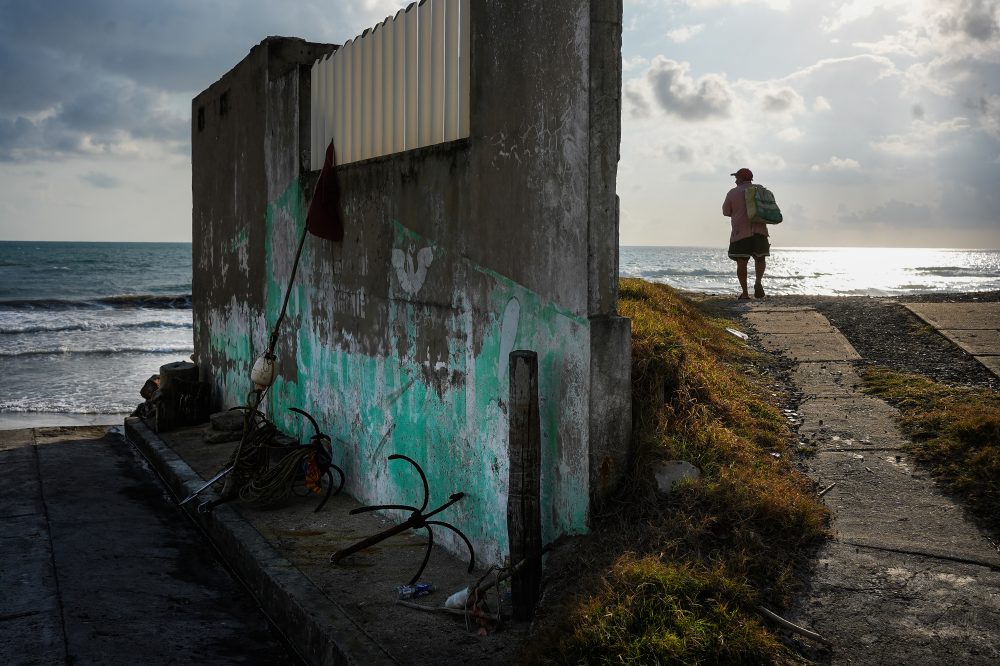

VERACRUZ, Mexico — The bustling fish markets of Veracruz typically see overwhelming crowds of shoppers preparing for Holy Week celebrations each year. This season tells a starkly different story, with vendors calling out to virtually no customers in nearly deserted marketplaces.
A massive petroleum spill covering more than 373 miles across Gulf waters has contaminated seven protected natural areas, delivering a devastating financial hit to Mexico’s fishing communities during what should be their most profitable period of the year.
The coastal states of Veracruz, Tabasco and Tamaulipas have all seen dramatic decreases in fishing activity since the environmental disaster began. Market stalls that would normally be packed with buyers stood largely abandoned Friday, as desperate sellers shouted promotions trying to draw in the few remaining customers.
“This is our livelihood,” expressed Miguel López Rojas, who operates a seafood stand in one of the area’s popular markets.
Government officials report the contamination stems from a ship moored near the port city of Coatzacoalcos in Veracruz state, combined with two naturally occurring oil seeps from the ocean floor.
Cleanup crews have recovered approximately 430 tons of petroleum products from shorelines across the three affected states, according to official estimates. While authorities maintain the spill hasn’t caused major environmental harm, local news outlets have documented dead sea turtles, eels and fish washing ashore and floating in coastal waters.
López Rojas explained the crisis extends beyond reduced fish availability, noting that customer purchases have plummeted as people actively avoid seafood products out of safety concerns.
Federal health officials have dismissed reports of any illnesses connected to eating potentially contaminated fish or shellfish, but public anxiety continues to spread nationwide.
“You have to be careful with the pollution because we still don’t know what this spill could lead to,” said Susana Gutiérrez, a 67-year-old seamstress shopping at a Mexico City market.
While government agencies at both federal and state levels work to control the spill and restore affected beaches, fishing crews face severe financial hardship after being forced to suspend nearly all operations to protect their boat motors and equipment from oil contamination, eliminating their primary income source.
“This year has been very disastrous for us, because in all my years of life we had never experienced something of this magnitude,” said Norma González Pérez, who fishes from the town of Salinas in southwestern Veracruz.
Veracruz ranks among Mexico’s leading seafood-producing regions. Official data shows the eastern state contributed roughly 2.76% of the nation’s total fish, oyster and seafood output in 2024. Seafood forms a cornerstone of many traditional regional dishes throughout the state.
Officials have not yet released figures on how many fishing workers the spill has impacted, though advocacy groups estimate several hundred people may be affected. González Pérez said the situation has become so dire that some fishermen have turned to bank loans to survive financially.
Holy Week traditionally represents a celebratory time for fishing communities, marked by abundant catches due to seasonal fish migrations through Gulf waters. This year carries a much darker mood, she noted.
“This year there will be no celebration or anything,” González Pérez said. “This year we will basically have nothing.”