
Wildfire activity in Maryland showed alarming trends in 2025, with burned acreage nearly doubling despite a relatively stable number of incidents, according to a newly released state analysis from the Maryland Forest Service’s Annual Wildland Fire Report. The assessment examines fire activity across 3.2 million acres under Maryland Forest Service oversight.
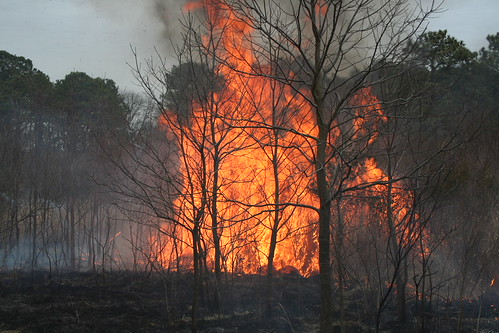
State data shows 172 wildland fires consumed 8,167 acres throughout 2025, compared to 164 fires that burned roughly 953 acres the previous year. When measured against five-year historical data, 2025 recorded 13% more fire incidents and a striking 126% increase in burned acreage. March emerged as the peak month for fire activity, with incidents reaching twice the five-year norm.
“March 2025 was characterized by a continuation of exceptionally warm conditions, contributing to a record-setting warm period nationally,” explained Chris Robertson, Maryland Forest Service state fire supervisor. “Maryland experienced generally above-average temperatures following a very warm, dry winter pattern, falling within an exceptionally warm 12-month period for the region.”
While debris burning typically leads Maryland’s wildfire causes, arson dominated the damage statistics in 2025. Debris burning sparked 74 fires that damaged approximately 152 acres, whereas arson triggered 19 fires but devastated 6,612 acres, with most destruction concentrated in Dorchester County between February and March. Though arson-related incidents decreased from 33 fires in 2024, drought conditions dramatically amplified the resulting destruction.
Prevention and Preparedness
State natural resource officials encourage residents to help reduce wildfire risks through several practices: choosing composting over burning yard waste and leaves, ensuring complete extinguishment of recreational and backyard fires, and teaching children about fire safety and the hazards associated with matches, lighters, and wildfires.
Property owners in fire-prone areas can implement “Firewise” strategies to protect homes and structures from wildfire threats. These protective measures involve removing combustible materials from around buildings, selecting fire-resistant construction materials when feasible, and establishing a 30-foot cleared zone surrounding residences.
The Maryland Forest Service continues expanding controlled burning programs to minimize wildfire dangers on vulnerable lands. During 2025, the service and partner agencies completed 150 prescribed burns across roughly 7,417 acres.
Controlled burns, alternatively known as prescribed fires, represent a growing approach to land stewardship and fire prevention. While Maryland faces fewer large-scale wildfires than western regions, these planned burns help eliminate accumulated woody debris and undergrowth that could fuel unexpected blazes.
Fire-adapted tree species with thick bark and regenerative capabilities, including oaks, can survive ground-level burning. The exposed mineral soil remaining after prescribed burns often encourages successful growth from existing seed reserves. These burns also generate transitional habitats featuring grasses, shrubs, and low vegetation that benefit wildlife populations such as pollinators and ground-dwelling birds, including quail and field sparrows.