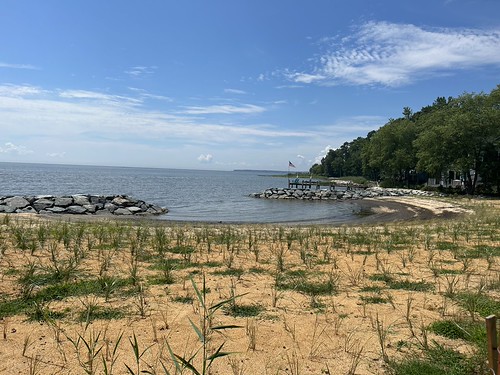

As spring brings new growth and renewal, Maryland environmental officials are highlighting how natural solutions can help communities battle increasing flood threats and coastal erosion.
The Maryland Department of Natural Resources is preparing to launch a new program called Roots for Resilience that will fund environmentally-friendly flood protection projects across the Eastern Shore. The initiative will support living shoreline installations, tree planting efforts, and wetland restoration work.
According to DNR Secretary Josh Kurtz, these nature-based approaches offer multiple benefits beyond flood control. Native trees and plants naturally absorb excess water through their root systems while preventing soil erosion, creating a sustainable defense against flooding.
The timing is critical for Maryland’s coastal regions. Since 1984, rising sea levels and erosion have transformed approximately 29,100 acres of farmland and upland forests into tidal marshes. Climate projections indicate that one-third of the Eastern Shore’s high marsh areas could disappear by 2050.
Evidence of this environmental shift is already visible in the form of “ghost forests” – stands of dead trees killed by saltwater intrusion in low-lying coastal areas. These skeletal remains demonstrate the ongoing impact of sea level rise and increasingly powerful storms on vulnerable communities.
Living shorelines represent a comprehensive approach to coastal protection, incorporating marsh vegetation, natural breakwaters, and other organic features to combat erosion and flooding. These systems simultaneously protect infrastructure, reduce long-term maintenance costs, support waterfront industries, and enhance coastal resilience.
Kurtz emphasized that environmentally-based flood protection typically costs significantly less than conventional engineering solutions. Natural approaches like strategic tree planting along waterways, reconnecting marshlands with historic floodplains, and reducing shoreline erosion prove more economical than constructing levees, armored coastlines, or massive underground storage systems.
The new Roots for Resilience program represents an expansion of Maryland’s efforts to address ongoing coastal challenges through partnerships with environmental organizations and local communities. Officials say these investments will strengthen both ecosystems and human settlements while improving wildlife habitats and protecting taxpayer resources.