
Markets across Asia plunged Friday, continuing a worldwide selloff as investors grappled with the economic fallout from escalating Middle East tensions that have sent energy costs soaring and pushed interest rates higher.
President Donald Trump provided some relief by extending his deadline for potential strikes against Iranian power facilities by an additional 10 days, after already pushing back his original 48-hour timeframe by five days. Oil prices responded with Brent crude dropping 1% to $107.07 per barrel, though it had spiked nearly 6% the previous night.
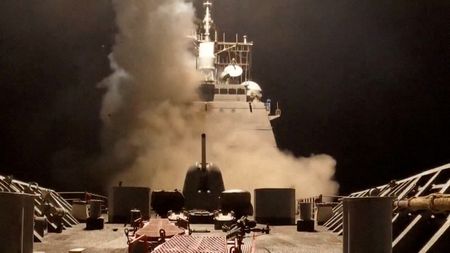
Despite the modest oil price retreat, concerns persist about the conflict expanding into ground warfare, particularly as reports suggest Trump may deploy additional military personnel to the region. The critical Strait of Hormuz shipping route remains uncertain for reopening.
Iran rejected a U.S. peace proposal, calling it “one sided and unfair.”
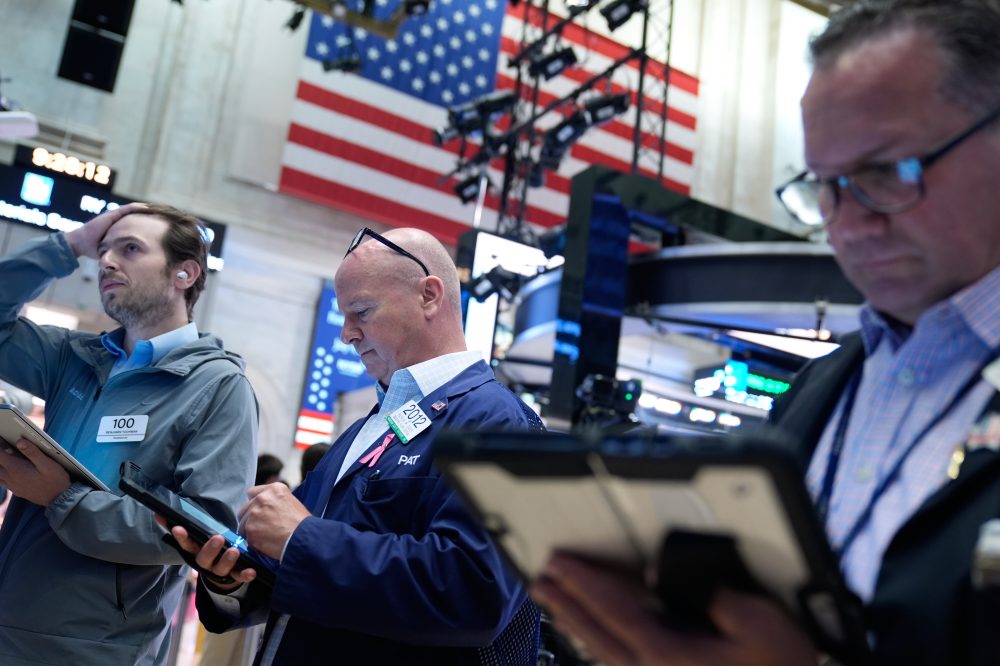
Wall Street futures managed a slight 0.2% rebound during Asian trading hours. The previous day saw the Nasdaq Composite crash 2.4%, putting it nearly 11% below its October 29 peak and officially confirming a correction phase.
ITC Markets senior foreign exchange analyst Sean Callow warned of continued volatility ahead. “The Middle East headlines won’t stop for the weekend so the weight of money leans towards assuming another risk-off week ahead as the U.S. continues to add military resources to the region,” Callow stated.
“Many see the Iranian regime as holding the upper hand and doubt that there are indeed productive negotiations with the U.S. in process… Underlying pressure towards higher oil prices, USD and yields along with weaker equities appears intact,” he added.
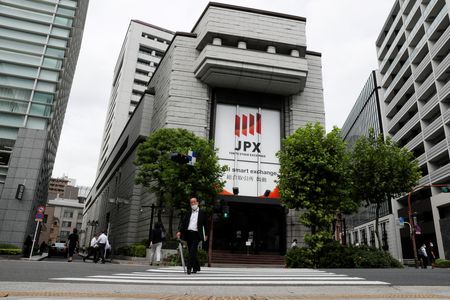
Regional markets showed widespread declines Friday. The MSCI Asia-Pacific index excluding Japan dropped 1.4% and appeared headed for a 3% weekly decline. Japan’s Nikkei fell 1.3%, down 0.9% for the week.
South Korea experienced particularly severe losses with the KOSPI diving 3%, resulting in a devastating 8.5% weekly drop. Chinese blue-chip stocks declined 1%, while Hong Kong’s Hang Seng slipped 0.4%.
Citi analysts warned that more severe conflict scenarios could push global economic growth below 2% this year while driving inflation above 4% and increasing recession risks.
“Asia, particularly Korea, Japan, and India, faces the most intense headwinds due to heavy reliance on imported fuel and direct exposure to disruptions in the Strait of Hormuz,” the analysts noted in their client advisory.
Bond markets worldwide faced significant pressure as rising oil costs intensified inflation worries. Norway’s central bank joined other institutions in signaling potential rate increases, reversing earlier projections of three cuts through 2028 and instead anticipating hikes this year.
Government bond yields climbed sharply, with Japan’s 10-year rate rising 4 basis points to 2.31% and Australia’s benchmark 10-year yield surging 7 basis points to 5.076%.
The two-year U.S. Treasury yield remained steady at 3.9714% Friday after jumping 10 basis points overnight as traders increased bets on Federal Reserve rate hikes this year to approximately 50%.
Currency markets reflected the risk-averse sentiment, with the U.S. dollar strengthening for a third consecutive session as investors sought safety. The Australian dollar, sensitive to risk sentiment, fell 0.2% to a two-month low of $0.6872 after declining 0.8% overnight.
The euro held steady at $1.1533 following a 0.3% overnight decline, while the yen traded near 159.70 against the dollar. Market observers expect potential intervention if the yen reaches 160.
Gold prices recovered 0.6% to $4,405 per ounce after falling nearly 3% the previous session.