
Major American food manufacturers and grocery chains are announcing sweeping changes to remove synthetic coloring agents and artificial sweeteners from their products, driven by the “Make America Healthy Again” movement and shifting consumer demands.
Target joined the growing list of companies making these commitments on Friday, announcing it will exclusively stock breakfast cereals manufactured without certified synthetic colors starting by the end of May 2026.
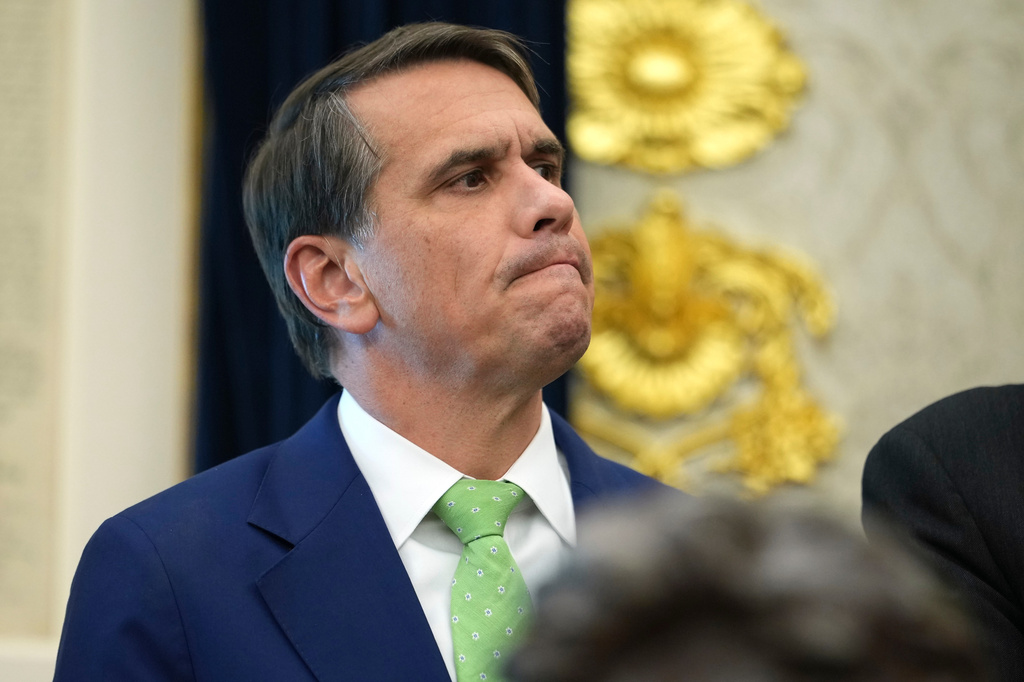
The nationwide trend follows statements from Health Secretary Robert F. Kennedy Jr. and federal health officials who announced last April their goal to eliminate certain ingredients, including artificial food coloring, due to potential connections to health issues such as ADHD, obesity and diabetes – though many researchers say more studies are needed in this area.
Kennedy has also spoken out against high sugar intake in typical American diets.
Mars will launch products free of artificial colors across their gum, fruit candy and chocolate lines in 2026, affecting popular brands like Extra, Skittles, Starburst and M&M’s.
Hershey has committed to removing synthetic dyes from their snack products by the close of 2027.
J.M. Smucker announced plans to eliminate synthetic food coloring from all consumer products by late 2027, while also working to stop distributing products containing synthetic dyes to elementary and secondary schools during the 2026-2027 academic year.
Conagra Brands will strip synthetic dyes from their frozen food lineup and stop using artificial colors in school meal products by the end of 2027, with school changes taking effect by 2026-27.
Nestle USA aims to completely remove synthetic food coloring from their American food and drink offerings by mid-2026. The company reports that more than 90% of their current product lines are already free of artificial dyes.
General Mills, which makes Cheerios, will eliminate artificial colors from their complete American retail operation and remove synthetic dyes from all cereals and school foods by summer 2026, with full completion by late 2027.
Kraft Heinz will stop introducing new products containing artificial colors in America and work to remove synthetic dyes from current products by 2027’s end.
Walmart-owned Sam’s Club plans to remove more than 40 ingredients, including artificial colors and aspartame, from their Member’s Mark private label products by the end of 2025.
Tyson Foods will reformulate products containing petroleum-derived synthetic dyes by May 2025’s end, and eliminate high fructose corn syrup, sucralose, BHA/BHT and titanium dioxide from branded American products by late 2025.
WK Kellogg will remove FD&C colors from affected products by 2027’s conclusion and stop launching new products with these colors starting January 2026, while reformulating school cereals to exclude synthetic dyes.
PepsiCo will eliminate artificial colors from school food offerings beginning this upcoming academic year, with full portfolio transition to natural colors planned within the next few years. The beverage giant also indicated it will use regular sugar in products like Pepsi if customers prefer it.
Coca-Cola plans to offer a cane sugar-sweetened version of Coke in the United States.
Kellanova is on schedule to remove synthetic colors from school foods during the 2026/27 school year and from retail products by December 31, 2027.
Campbell’s Company will eliminate all FD&C colors from their food and beverage lineup during the second half of fiscal year 2026.
Walmart will remove all synthetic dyes and over 30 additional ingredients including preservatives, artificial sweeteners and fat substitutes from their American private brand foods by January 2027.