
NAIROBI, Kenya — Kenya’s High Court has rejected a petition from the Rastafari community that sought to make the use of cannabis legal for religious purposes.
Justice Bahati Mwamuye ruled on Wednesday that the country’s laws banning the growing and use of marijuana do not infringe upon Rastafarians’ right to practice their religion freely. He noted that granting the community a legal exemption would require a solid constitutional and legal foundation — something the petitioners failed to provide.
Despite dismissing the case, Mwamuye called on Kenya to engage in a broader national conversation about its drug policies.
“This is not just a question for the Rastafari community but one that cuts across society,” he stated.
Under Kenya’s Narcotic Drugs and Psychotropic Substances (Control) Act, the cultivation, possession, and use of marijuana is prohibited. Rastafarians had brought the petition arguing that cannabis plays a central role in their religious observances and that the law should not apply to them.
Those caught smoking marijuana in Kenya can face fines of up to $2,000, up to 10 years in prison, or both. Penalties for drug trafficking are even more severe, carrying higher fines and lengthier prison sentences.
Attorney Shadrack Wambui, who represented the petitioners, announced that his clients intend to challenge the ruling before the Court of Appeal.
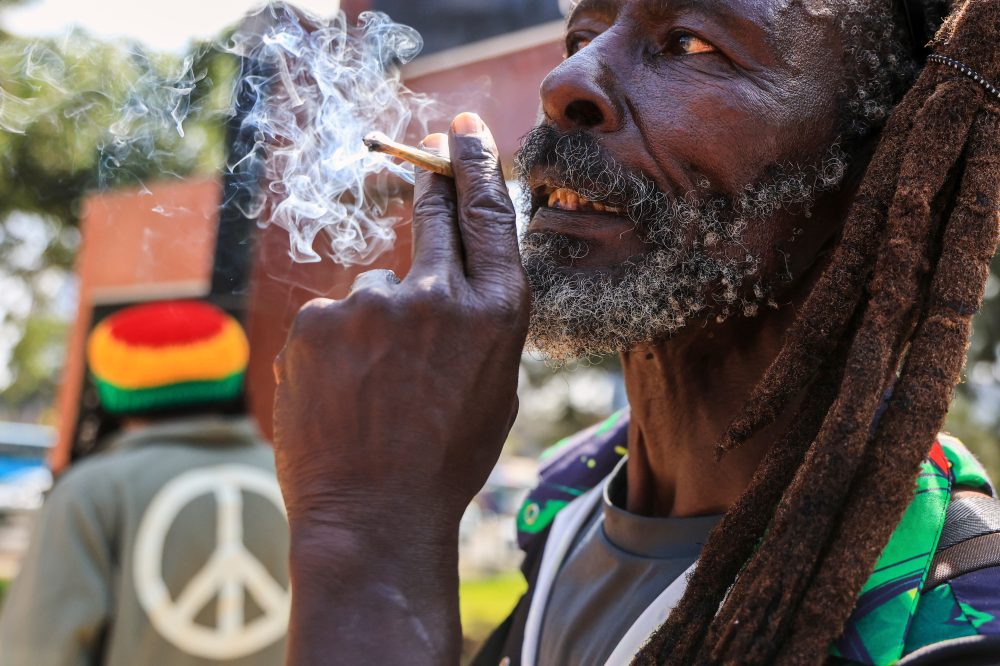
After the verdict was handed down, members of the Rastafari community gathered at Nairobi’s Freedom Corner, where they drummed, chanted, and smoked marijuana in protest of the decision.
Wanjiru Gakiu, a 60-year-old woman who has followed Rastafarianism for 34 years, expressed her frustration with the outcome, calling Kenya’s drug laws “satanic.”
“I’m sure if we were seeking to legalize something satanic, we would have been allowed. But when it comes to religion, the country is deaf and doesn’t want us to enjoy our religious rights,” she told reporters.
Not everyone was disappointed by the ruling. Nairobi resident Jedidah Ng’ang’a said she welcomed the court’s decision. “I am very happy about it (the judgment) because, as a Christian, I wouldn’t advocate for use of marijuana in our country,” she said.