
THE HAGUE, Netherlands — International prosecutors revealed Tuesday that a Libyan prison commander earned the nickname “Angel of Death” from inmates he allegedly tortured, killed and sexually assaulted at a notorious detention center.
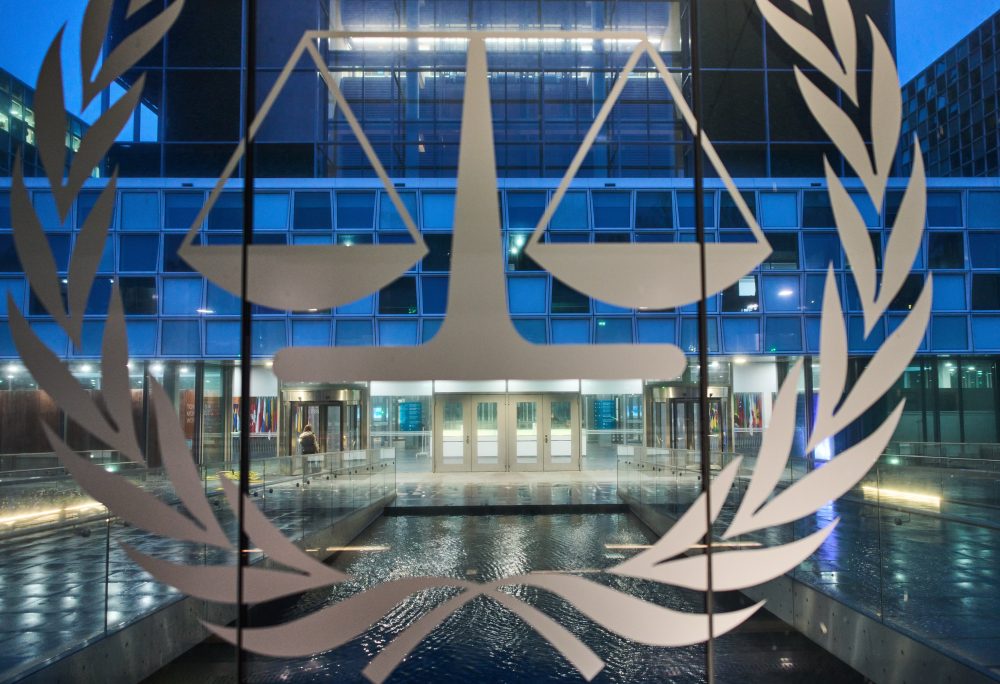
The International Criminal Court in The Hague conducted preliminary hearings for its first-ever defendant from the North African nation, who stands accused of 17 charges involving crimes against humanity and war crimes committed at the notorious Mitiga detention center in Tripoli from 2015 through 2020, during the chaotic years after longtime ruler Moammar Gadhafi’s death.
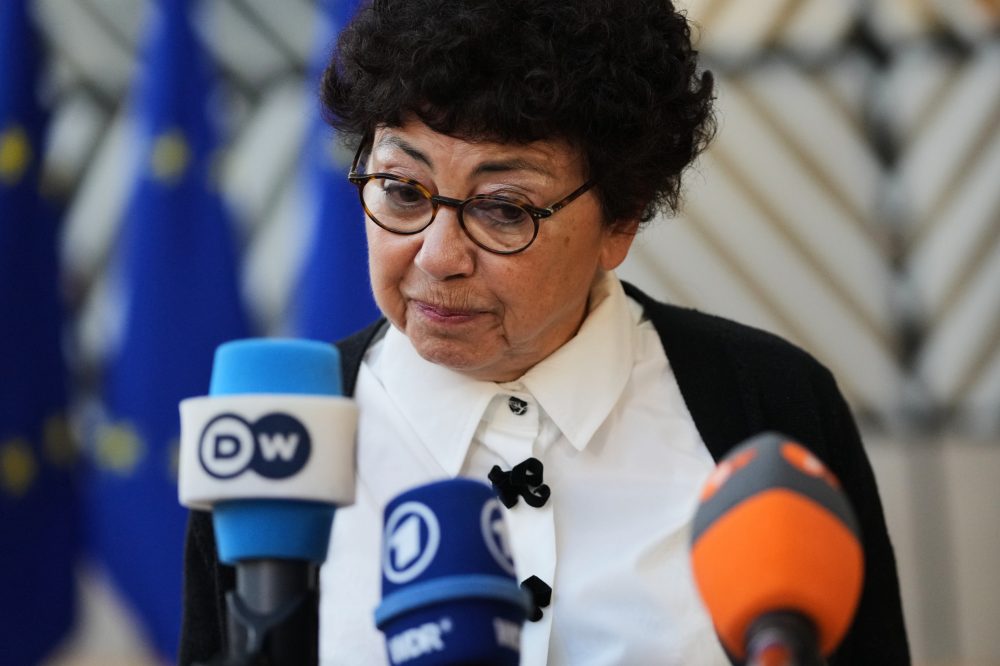
Prisoners at the compound called Khaled Mohamed Ali El Hishri the “Angel of Death,” deputy prosecutor Nazhat Khan informed the court during opening remarks, citing testimony from one among nearly 1,000 victims involved in the proceedings.
The 47-year-old defendant, dressed in a blue suit and matching tie, showed no emotion while listening to the accusations against him.
The charges allege that El Hishri served as a high-ranking official at the compound and supervised the women’s wing, where sexual assault was routine. Prosecutors stated that El Hishri habitually carried a firearm and would shoot detainees in their legs or knees.
“These were not the acts of rogue Mitiga prison guards,” Khan stated.
The proceedings represent a preliminary hearing rather than a full trial, providing prosecutors an opportunity to present their evidence before the court. Judges will have 60 days to review the evidence and determine if it warrants proceeding to trial against El Hishri.
Germany transferred El Hishri to the Netherlands in December following his arrest there in July based on a sealed ICC arrest warrant.
This case marks the first time a Libyan defendant will face trial at the international tribunal, whose investigators received authorization from the United Nations Security Council in 2011 to examine alleged crimes in the north African country as it fell into chaos after the uprising that removed Gadhafi from power.
The tribunal quickly issued an arrest warrant for Gadhafi himself, but opposition forces killed him before authorities could apprehend and transfer him to The Hague.
Nine additional Libyan defendants remain subject to outstanding arrest warrants from the court, including one of Gadhafi’s sons.
Italian authorities detained but subsequently freed another suspect, Ossama Anjiem, also called Ossama al-Masri, in January due to a legal technicality, generating criticism from human rights organizations. He also faced accusations related to crimes at the Mitiga detention facility.