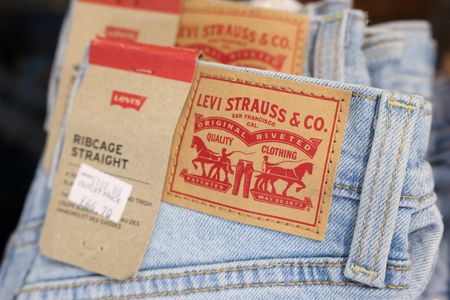

Shares of Levi Strauss climbed approximately 12% on Wednesday after the iconic denim company reported its best quarterly revenue performance in almost four years, demonstrating resilience against import tariff pressures through strategic pricing adjustments.
The San Francisco-based company has successfully navigated roughly 10% tariffs on U.S. imports implemented in 2025 by capitalizing on strong consumer appetite for its loose-fitting jeans collection and expanding its reach among younger shoppers via online platforms. This strategy has allowed Levi’s to implement selective price increases while reducing promotional discounting.
“Demand hasn’t been affected (by) higher pricing, and we see benefits becoming more fully realized starting in F2Q,” Raymond James analyst Rick Patel noted in his research commentary.
The clothing manufacturer announced upcoming leadership changes, revealing plans to find a successor for Chief Financial Officer Harmit Singh, who plans to step down after approximately 13 years leading the company’s financial operations.
“While the announcement of the retirement of long-time CFO Harmit Singh was somewhat unexpected, we believe investors will be pleased that he will remain in his role through the search and transition period to ensure continuity,” Telsey Advisory Group analyst Dana Telsey wrote in her analysis.
The company’s stock has posted gains for three consecutive years. Currently trading at a forward price-to-earnings multiple of 12.91 for the coming year, Levi’s valuation sits between competitors Ralph Lauren at 19.23 and American Eagle at 9.68.
However, market watchers noted the company’s updated guidance remained cautious, especially regarding U.S. market expectations, suggesting potential demand softening despite Middle Eastern conflicts and elevated fuel costs not yet impacting sales performance.
Recent consumer behavior shows affluent Generation Z and Millennial buyers continuing to spend on discretionary items including apparel, accessories, beauty products, and fragrances, creating what economists describe as a divided marketplace where higher-income consumers maintain spending while budget-conscious households reduce purchases due to increased living expenses.
“We like Levi’s premium denim share leadership, focus on working capital discipline and unified product lines, and continued product and lifestyle innovation,” TD Cowen analyst Oliver Chen stated.