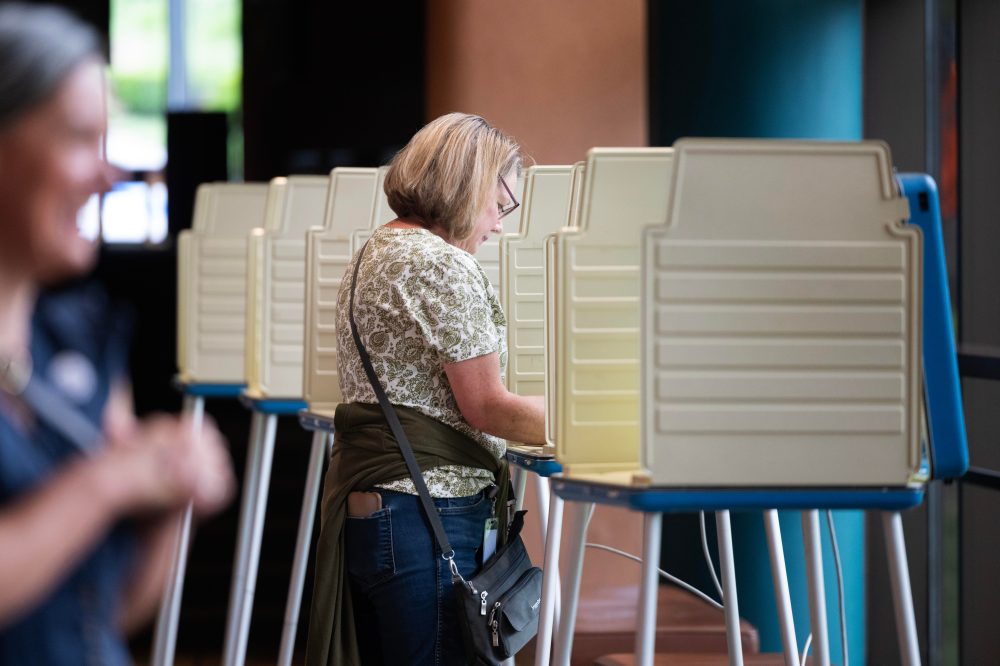

Attorneys representing Democratic groups and civil rights organizations argued before a federal judge Thursday that the president overstepped constitutional boundaries with an executive order aimed at restricting mail-in voting access.
Federal Judge Carl Nichols did not issue an immediate ruling on the request to halt implementation of the March 31 executive order, which marks the second election-related directive since the president began his second term. Multiple legal challenges have been filed arguing that only state governments and Congress hold constitutional authority over election procedures, not the executive branch.
An earlier executive order from last year requiring documentary citizenship proof for voting was mostly blocked by federal courts on similar constitutional grounds. The latest directive was issued after a voting reform bill supported by the administration failed to advance in Congress. The legal battle unfolds as primary elections are underway and election administrators prepare for upcoming midterm contests.
“I understand the time pressure here,” Nichols stated, questioning attorneys from both sides without indicating his position.
Legal representatives for the challengers contended that the president cannot alter election procedures to benefit himself and the Republican Party. They maintained the order’s provisions violate the law and are intended to pressure states into restricting voter registration and ballot availability.
“It is harming our clients every day in the middle of an election season,” stated Orion Nevers, representing the NAACP.
Mail-in voting tends to favor Democratic voters. The president has consistently made unfounded allegations about widespread fraud in mail voting, continuing efforts to restrict the practice that began before his 2020 defeat. These unsubstantiated claims contributed to the January 6, 2021 Capitol attack and have been thoroughly discredited through numerous audits and investigations, including Republican-led reviews.
Since taking office again, the president has expressed intentions for Republicans to assume control of elections in Democratic strongholds and has initiated probes into the 2020 election results.
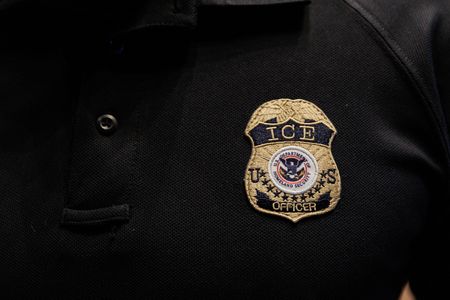
The current executive order directs the Department of Homeland Security to compile voter eligibility rolls for each state and aims to prevent the Postal Service from delivering absentee ballots to individuals not appearing on state-approved lists.
Government lawyers are seeking dismissal of the legal challenge. Justice Department attorney Stephen Pezzi argued Thursday that the lawsuit is premature, describing it as “shadowboxing” since the voter list referenced in the complaint does not yet exist.
“It’s a little hard to address these questions in the abstract,” Pezzi commented.
Nichols, who received his judicial appointment from the current president, questioned Pezzi about the legality of distributing the proposed list to states.
“I think it would be the plaintiffs’ burden to explain why it’s unlawful,” Pezzi responded. “I don’t mean to be cute with that answer.”
The executive order mandates federal agencies create a registry of adults the government claims to have “confirmed” as U.S. citizens and distribute it to states no later than 60 days prior to federal elections.
“There isn’t a way to lawfully compile it,” argued Lalitha Madduri, representing Democratic Party plaintiffs.
Danielle Lang, counsel for the League of United Latin American Citizens, characterized the executive order as designed to generate “the maximum amount of chaos and confusion” for local election administrators.
“They need clear direction,” Lang emphasized.