
Transportation workers across Kenya called off their nationwide work stoppage on Tuesday, agreeing to a one-week pause to negotiate with government officials following two days of violent demonstrations that claimed four lives and injured more than 30 people.
The strike began after discussions broke down on Monday, with transport workers calling for lower fuel costs to help ease the financial burden on both operators and passengers facing higher travel expenses.
For two straight days, passengers found themselves without transportation options as public transit operators refused to operate their vehicles.
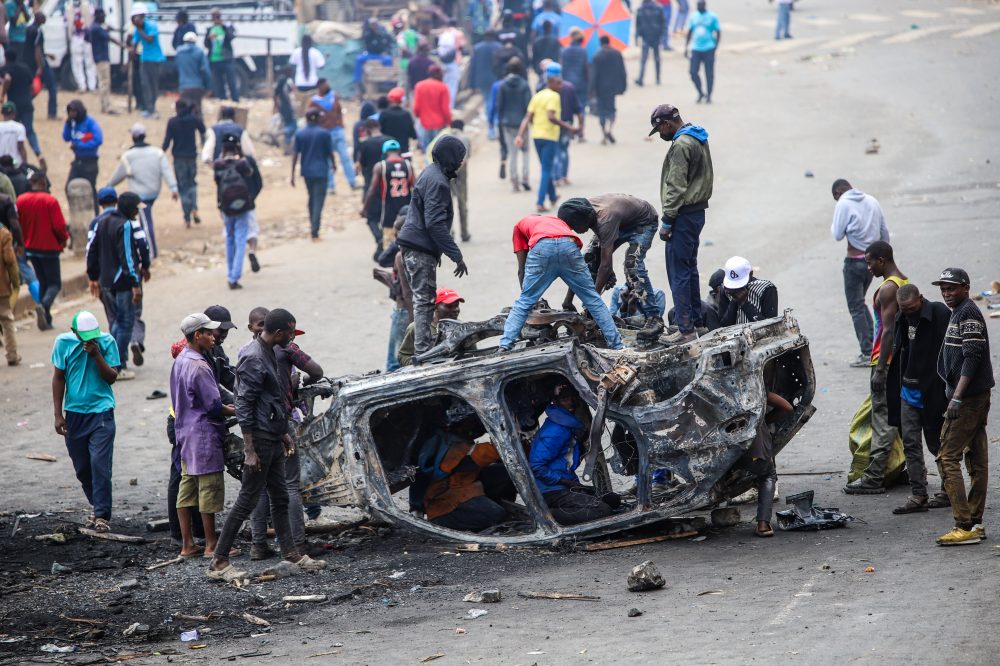
Demonstrators filled the streets, clashing with law enforcement officers and igniting tires along main roadways, blocking traffic completely.
Fuel costs in Kenya reached unprecedented levels on Friday, with diesel jumping 23.5% and gasoline rising 8%. Government officials cited the Iran war and resulting disruptions to energy markets as the cause of the price surge.
Opposition leaders, however, pointed to dishonest business practices and companies seeking higher profits as the real reason behind the dramatic cost increases.
During a broadcast news conference, Interior Minister Kipchumba Murkomen announced that discussions with all fuel industry participants would occur within the next seven days to resolve the pricing concerns.
Kennedy Kaunda, speaking for the transporters’ association, confirmed that members agreed to permit the consultation process to move forward, warning that if no deal emerges, the public will receive further instructions within a week.
Monday’s violence resulted in four fatalities and left more than 30 people with injuries. Police also detained 348 individuals who face charges for participating in unauthorized demonstrations.