
A top Federal Reserve official emphasized Wednesday that elevated inflation continues to pose the most significant challenge for the nation’s central banking system, though he declined to specify what policy actions might follow.
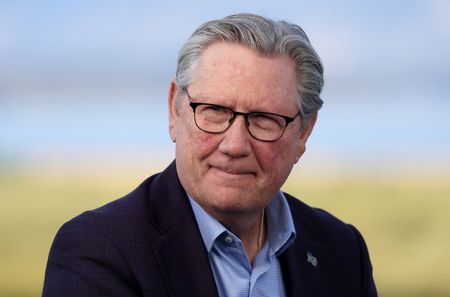
Jeffrey Schmid, who leads the Federal Reserve Bank of Kansas City, addressed the Economic Club of Colorado and stated his assessment of current economic conditions.
“I think we have work to do on the inflation side of things,” Schmid remarked, while adding “I think we’re in a pretty good place for employment.”
Despite outlining these economic concerns, the Fed official refrained from detailing how this economic landscape might shape future monetary policy decisions. Schmid had previously expressed reservations about the Federal Reserve’s decision to reduce short-term borrowing costs in 2023, which brought the target rate range down to 3.5% to 3.75%.
Financial markets are anticipating additional rate reductions this year, though Fed leadership has provided minimal direction. Many analysts are monitoring economic indicators to determine whether inflation is declining toward the Federal Reserve’s established 2% goal.
Last year’s rate reductions aimed to support a weakening employment market while maintaining sufficient policy measures to continue driving inflation downward.
Schmid also discussed the Federal Reserve’s balance sheet policies, explaining that internal discussions center on determining appropriate reserve levels for the banking system.
The Fed official pointed out that the central bank’s substantial mortgage bond portfolio from previous purchasing programs continues to reduce home lending rates. According to Schmid’s assessment, mortgage rates are “probably 75 to 100 basis points lower today than they would otherwise be” because of the Federal Reserve’s current mortgage bond holdings.