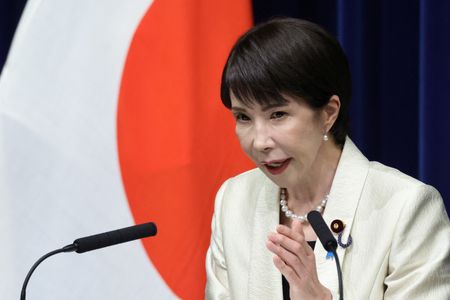

Japanese Prime Minister Sanae Takaichi delivered a stark warning about China’s military expansion during her inaugural parliamentary address on Friday, describing the current security situation as Japan’s most dangerous since World War II.
Speaking to lawmakers after her coalition’s decisive electoral victory this month, Takaichi outlined sweeping changes to Japan’s defense posture in response to what she characterized as Beijing’s increasingly aggressive regional behavior.
“Japan faces its most severe and complex security environment since World War Two,” Takaichi declared, citing China’s military buildup, its strengthening defense partnership with Russia, and North Korea’s advancing nuclear weapons program.
The Prime Minister’s four-month administration has already sparked tensions with Beijing after she stated Japan might use military action if a Chinese attack on Taiwan posed threats to Japanese territory.
Following her party’s transformation of a narrow majority into an overwhelming mandate in recent lower house elections, Takaichi now controls more than two-thirds of parliamentary seats, giving her broad authority to implement her security agenda.
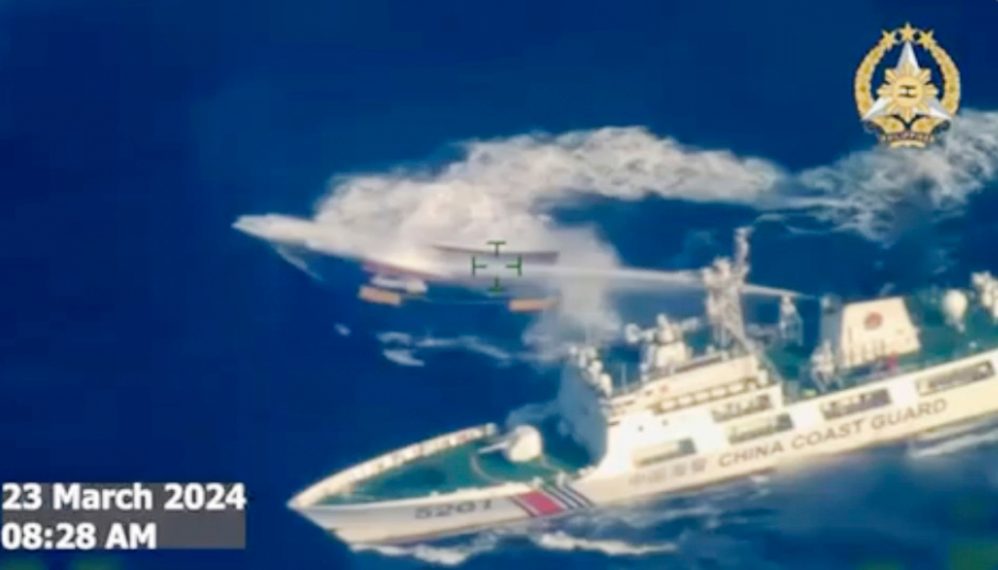
“China has intensified its attempts to unilaterally change the status quo through force or coercion in the East China Sea and South China Sea,” she told the legislative body.
Takaichi announced her government will update Japan’s three fundamental security policy documents this year, creating a fresh defense framework while accelerating reforms to military export regulations that will boost overseas arms sales and support domestic defense manufacturers.
The Prime Minister is accelerating a military expansion program that began in 2023, pushing Japan’s defense budget to 2% of gross domestic product by March’s end – a spending level that will rank Japan among the world’s top military powers despite its pacifist constitutional principles.
She also revealed plans for a new national intelligence coordination body under her direct leadership, bringing together information from various agencies including law enforcement and military intelligence. Unlike the United States’ CIA or Britain’s MI5, Japan currently lacks centralized foreign or domestic intelligence services.
Beyond military matters, Takaichi proposed establishing a Japanese equivalent to America’s Committee on Foreign Investment to examine foreign investments in sensitive industries, while announcing a review of regulations governing land purchases by non-Japanese buyers.
The Prime Minister committed to reinforcing supply networks to decrease reliance on “specific countries” and collaborate with allied nations to secure essential materials, including rare earth elements, near Minamitori, a distant Pacific territory.
Takaichi also pledged to accelerate the reopening of nuclear power facilities that have remained shuttered since the 2011 Fukushima disaster.
“A nation that does not take on challenges has no future,” she concluded. “Politics that only seeks to protect cannot inspire hope.”