
Diplomatic negotiations between Iran and the United States showed meaningful advancement Saturday, with all parties including mediator Pakistan reporting significant headway toward ending nearly three months of warfare.
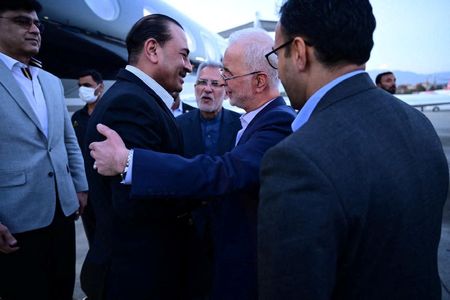
Iran’s foreign ministry announced its focus on completing a memorandum of understanding following meetings between Iran’s chief negotiator Mohammad Baqer Qalibaf and Foreign Minister Abbas Araqchi with Pakistan’s army chief Asim Munir in Tehran.
Munir also conducted discussions with President Masoud Pezeshkian before departing the Iranian capital, according to Iranian state media. Pakistan’s military described the past day’s negotiations as producing “encouraging” advancement toward reaching a final agreement.
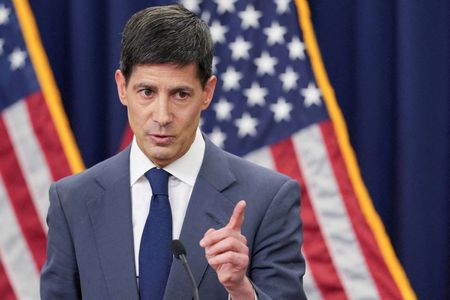
Speaking from India during his visit, U.S. Secretary of State Marco Rubio confirmed diplomatic advancement and suggested Washington might issue statements on the matter soon.
“There’s been some progress done, some progress made, even as I speak to you now, there’s some work being done. There is a chance that, whether it’s later today, tomorrow, in a couple days, we may have something to say,” Rubio told reporters in New Delhi.
Iranian Foreign Ministry spokesperson Esmail Baghaei stated: “The trend this week has been towards a reduction in disputes, but there are still issues that need to be discussed through mediators. We will have to wait and see where the situation ends in the next three or four days.”
BOTH NATIONS MAINTAIN CORE POSITIONS
Pakistan’s diplomatic intervention seeks to bridge gaps between Iran and America following weeks of warfare that resulted in the closure of the crucial Strait of Hormuz shipping lane to most vessels despite an unstable ceasefire, disrupting worldwide energy markets.
Negotiations reportedly focused on a 14-point proposal from Iran, which Tehran views as the primary framework for discussions, along with communications passed between both nations.
Baghaei emphasized that while America’s shipping blockade against Iran remained significant, Tehran’s main concerns were stopping potential new American military actions and resolving the continuing Lebanese conflict, where Iran-supported Hezbollah fighters are battling Israeli forces operating in southern Lebanon.
Rubio restated Trump administration requirements: “Iran can never have a nuclear weapon. The straits need to be open without tolls. They need to turn over their enriched uranium.”
Qalibaf declared Iran would continue defending its “legitimate rights” through both military and diplomatic means, while expressing distrust toward “a party that has no honesty at all,” repeating previous Iranian accusations.
He warned that Iran’s military had strengthened its capabilities during the ceasefire period and that if America “foolishly restarts the war,” the results would be “more forceful and bitter” than when fighting initially began.
U.S. President Donald Trump, facing political pressure due to war-related energy price increases affecting American consumers, announced Friday he would skip his son’s wedding this weekend, citing Iran among his reasons for remaining in Washington.
Throughout weeks of fighting, Iran has maintained its stockpile of weapons-grade enriched uranium along with missile, drone and proxy military capabilities that both America and Israel seek to eliminate.