
Financial markets shifted their expectations Friday toward anticipating the Federal Reserve will increase interest rates possibly before 2024 concludes, following a series of inflation reports this week that came in above forecasts.
According to CME’s FedWatch tool, the likelihood of the Fed’s key interest rate rising by 25 basis points before January’s Federal Open Market Committee session reached approximately 60%, while traders view a December increase as essentially even odds.
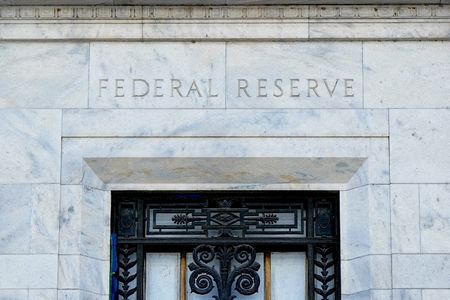
The central bank under departing Chair Jerome Powell has maintained its policy rate between 3.50% and 3.75% since December. Even with inflation consistently exceeding the Fed’s 2% goal, officials have continued using policy statement language that implies their next action would likely be lowering rates.
An increasing number of policymakers have started advocating for a different approach, with three officials voting against April’s policy statement because it maintained language favoring easier monetary policy. Minutes from that session, scheduled for release Wednesday, could reveal how many additional officials were willing to support moving toward a neutral or more restrictive stance.
This week’s economic data provided little support for cutting rates in the near term. Inflation measurements at consumer and wholesale levels, along with import price figures, all surpassed economists’ already-high predictions. Additionally, retail sales information demonstrated that consumers remain financially stable despite facing elevated prices.
Furthermore, the inflationary pressures shown in the data reached their highest levels since the surge that followed the COVID-19 pandemic and appeared to spread beyond energy costs that were pushed up by the U.S.-Israeli-led war on Iran.
“The market narrative has shifted from stagflation to reflation due to rising inflation, strong spending and booming earnings,” Bank of America analysts wrote.
The sudden change in economic data and market predictions for the Fed’s actions appears likely to create a challenging communication issue for Warsh when he assumes leadership from Powell, whose chairmanship officially ends Friday.
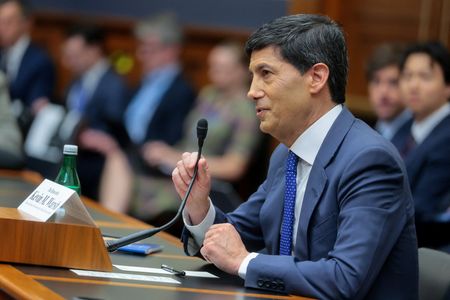
President Donald Trump appointed Warsh, and Trump has consistently demanded lower interest rates while publicly criticizing Powell for failing to deliver them. The Senate confirmed Warsh this week, though his swearing-in ceremony has not been scheduled yet.
Warsh has contended that widespread adoption of artificial intelligence technology throughout the economy will boost U.S. productivity and reduce inflationary pressures, supporting the case for lower rates. However, during his confirmation hearing last month, he assured senators he made no commitments to Trump regarding rates, while promising to implement significant changes including enhanced cooperation with the administration on non-monetary policy issues.