
A comprehensive investigation by KFF Health News and The Associated Press has uncovered widespread claims of insufficient medical treatment at immigration detention centers spanning at least 33 states.
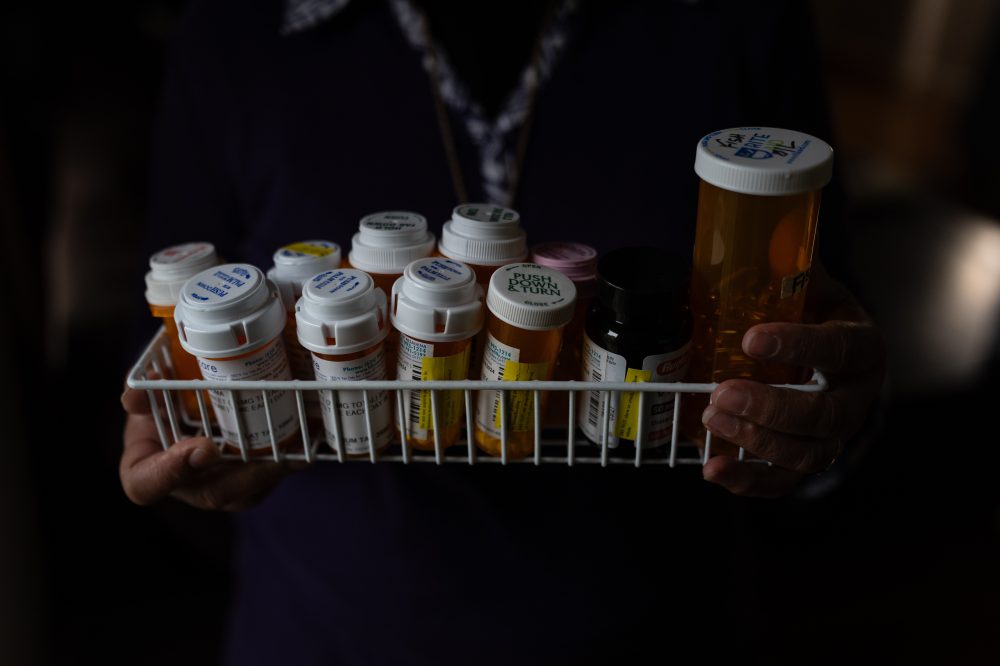
Those held in detention report missing essential medications or receiving them late for serious health conditions such as high blood pressure, diabetes, depression, epilepsy, Parkinson’s disease, and HIV. Pleas for medical assistance went ignored for weeks at a time. Blood sugar levels climbed dangerously high. Infections worsened without treatment. Cancer cases went unaddressed. Some detainees experienced collapses and seizures.
Immigration detention centers and U.S. jails have historically faced challenges in addressing the healthcare requirements of those in their custody. However, the system is now overwhelmed by a surge in detentions following President Donald Trump’s return to the presidency: Immigration and Customs Enforcement was holding more than 75,000 immigrants by mid-January, a significant increase from approximately 40,000 one year prior.
The Department of Homeland Security was contacted by KFF Health News and AP six days prior to publication for a response to these findings but provided no statement. The DHS acting chief medical officer, Sean Conley, has previously stated “it is both policy and longstanding practice for aliens to receive timely and appropriate medical care from the moment they enter ICE custody” and noted the department hires healthcare professionals to uphold high standards. “This is better, more responsive healthcare than many aliens have ever received in their entire lives,” he has stated.
Detention facilities and private prison companies under contract with DHS that responded to inquiries about this investigation claimed they adhere to ICE standards and provide proper medical treatment when needed. Some indicated they were not aware of the allegations detailed in legal documents; others placed responsibility on the detainees for gaps in their healthcare.
The news organizations examined thousands of legal cases filed since Trump’s second inauguration using habeas corpus petitions to challenge what they argue are illegal detentions by ICE. These records provide an unusual glimpse into how detainees claim — often under oath — ICE is managing their healthcare needs. Reporters conducted interviews with more than 50 detainees, relatives, and attorneys.
The investigation found that claims of medical neglect span the extensive detention network, including facilities not intended for housing people, county jails, and hastily established locations with informal names like “Alligator Alcatraz.”
Vermont attorney Andrew Pelcher explained that previously, detainees with severe medical conditions would typically have been released on humanitarian parole, partly to avoid the expense of their treatment.
Currently, under “mandatory detention” policies, individuals remain incarcerated with serious and costly medical conditions.
A citizen of Romania who had undergone multiple heart procedures, including an emergency triple bypass in April 2025, was arrested in July. The 52-year-old required 16 daily medications as part of his recovery. Court documents allege that while held by ICE in Baltimore, he went without any medication for two days before being transferred to a New Jersey facility.
AP and KFF Health News are not identifying individuals mentioned in court records without their permission.
He was admitted to hospitals three times for chest pain, partly because the detention facility failed to supply all his medications despite “countless requests,” according to medical records and court filings. Hospital discharge documents referenced by his attorney show he received only eight of his 16 medications following his second hospital release.
Several weeks later in August, he suffered a stroke during a video call with his daughter, court filings state. “He was struggling to breathe, and was pointing at his chest where he was again experiencing pain, and suddenly stopped speaking.” His daughter called for help through the video screen, the petition states. “Eventually an officer came in to assist him and cut the feed.”
The man was unable to speak for four days, according to the document. He was sent back to detention, where he stayed until a federal judge ordered his release in November.
Detainees who receive poor healthcare have limited options for recourse. The Department of Homeland Security eliminated most functions of the Office of the Immigration Detention Ombudsman last year. In early May, they closed the office completely, claiming Congress failed to provide funding.
Immigration attorney Matt Boles from Georgia noted that ombudsman staff previously helped coordinate medical care or looked into neglect complaints. Now, he explained, there is no one to contact for assistance.
Meanwhile, families of detainees report feeling powerless, making frantic calls to facilities, government offices, and elected officials while witnessing their relatives’ health decline.
Riya Khan watched her mother’s condition worsen at the California City Detention Facility, operated by CoreCivic, a private prison corporation. During a visit one week after her mother’s arrival at the Mojave Desert facility, Riya observed that the 64-year-old woman was trembling as she walked unsteadily to her chair. Her breathing was difficult.
Masuma Khan arrived in the U.S. from Bangladesh in 1997. Like 70% of detention population, Khan has no criminal record. She was detained in October during her routine ICE check-in appointment.
Throughout the month she was held, her daughter reports, she only sporadically received medications for various conditions including high blood pressure, hypothyroidism, and prediabetes.
CoreCivic spokesperson Brian Todd stated that the company manages chronic conditions according to relevant medical standards.
“Nothing matters more to CoreCivic than the health, safety and well-being of the people in our care,” Todd stated.
Khan reported receiving her asthma medication for the first time just two days before her release, and her glaucoma eye drops never arrived. Staff members informed Khan she needed to purchase some medications from the commissary, but those items were not available there, her daughter explained.
Dora Schriro, a former ICE employee who now works as a special adviser to the American Bar Association, explained that legal precedent requires the government to provide people in immigration detention with the same level of care given to those in regular jails awaiting trial. However, administrators have discretionary authority and medical care standards differ.
Detainees are often relocated across the nation without advance notice, disrupting their treatment. A woman from El Salvador reported missing a week of HIV medication when transferred from Colorado to a Wyoming county jail.
A man from Russia documented that while held in Texas, he consulted with a gastroenterologist regarding painful gallstones and arranged a surgical consultation. “Unfortunately, I never got to see him, due to my being moved around various detention centers.”
Advocacy groups report that even clear disabilities, such as legal blindness, are overlooked.
One detainee who had lost one eye and suffered from severe glaucoma in the remaining eye needed eye drops twice daily to preserve his remaining sight. However, he reported that some days the medication was not provided.
He documented that his vision was rapidly declining, and he feared complete blindness would prevent him from ever seeing his infant son again.