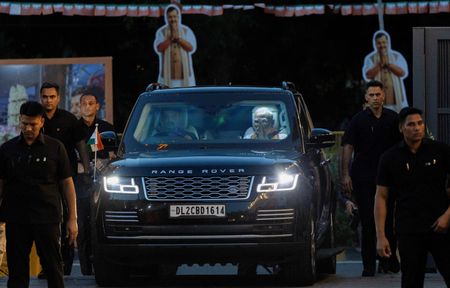

NEW DELHI, May 13 – Indian Prime Minister Narendra Modi has substantially downsized his official motorcade in an effort to conserve fuel, according to a government source who spoke Wednesday. The decision comes just days after Modi called on Indian citizens to implement cost-cutting measures as energy prices climb due to the ongoing Iran conflict.
On Sunday, Modi made a public appeal encouraging people to embrace frugal spending habits, which included limiting non-essential international trips, utilizing public transportation, decreasing gold buying, and reducing cooking oil consumption. The prime minister cited mounting global energy costs that are straining India’s foreign currency reserves.
After Modi’s public statement, social media users began criticizing the extensive motorcades used by top Indian officials, along with Modi’s domestic air travel and his planned European trip aboard the official government plane.
The government source explained that Modi’s motorcade vehicle count was decreased while maintaining necessary security elements, following guidelines from the Special Protection Group responsible for protecting the prime minister. The source did not reveal specific numbers regarding the motorcade’s current size.
Modi receives the nation’s top level of personal protection, and his motorcade previously included approximately twelve vehicles before the recent reduction.
The prime minister implemented smaller motorcades during this week’s trips to Gujarat, his home state, and Assam in northeastern India, according to the source. Modi has also requested the addition of electric vehicles to his motorcade when practical, but without purchasing new ones.
The source requested anonymity since they lacked authorization to discuss the matter with reporters.
The Prime Minister’s Office has not yet provided a response to requests for comment.
India ranks as the globe’s third-largest oil importer and consumer, depending significantly on supplies from the Strait of Hormuz for crude oil, liquefied natural gas, and cooking gas. The waterway has been affected by the U.S.-Israeli conflict with Iran.
Rising oil costs pose risks of expanding India’s current account deficit, damaging economic growth, and increasing inflation as Washington and Tehran work toward ending hostilities, over a month after a fragile ceasefire temporarily halted fighting.
While India has not yet increased petrol and diesel prices, an uptick is expected soon due to Middle Eastern developments.