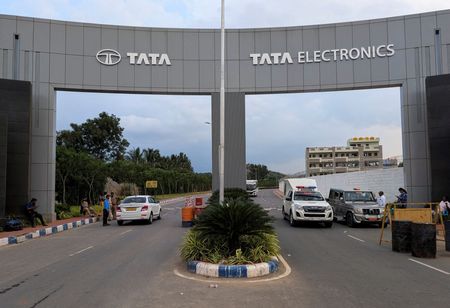

Environmental authorities in India have accused a Tata Electronics manufacturing facility of polluting groundwater supplies for surrounding agricultural areas through improper wastewater disposal, according to regulatory documents.
The facility in question produces components and back panels for Apple’s iPhone and represents a key part of Apple’s strategy to expand manufacturing operations outside of China. Tata Electronics serves as Apple’s second-largest supplier in South Asia, trailing only Taiwan-based Foxconn.
Located in Hosur within Tamil Nadu state in southern India, the manufacturing plant has been the subject of ongoing complaints from local farmers who reported that industrial wastewater was damaging their property and contaminating their water wells.
These grievances prompted environmental officials to conduct five separate facility inspections spanning from December 2025 through May 2026, as documented in a regulatory warning dated May 25 that was obtained by Reuters.
According to the pollution control board’s findings, the company released wastewater into a rainwater collection pond within the facility grounds, which subsequently overflowed and contaminated “groundwater in the open wells located in the adjacent agricultural lands.”
The environmental agency noted that Tata had failed to implement remedial measures outlined in previous correspondence from December 23, 2025, as stated in their three-page warning document.
In response to inquiries, Tata Electronics stated it had arranged for independent testing through a certified laboratory, which concluded the company was “in full compliance with all regulatory norms.”
The company emphasized its “commitment to responsible business practices and protection of the environment and local communities,” noting it had provided responses to environmental regulators without elaborating on specifics.
The pollution authority’s May warning demanded Tata justify why the facility should not face power disconnection and closure due to alleged regulatory violations.
Neither Apple, which maintains stringent supplier requirements for wastewater management, nor Tamil Nadu state officials provided responses to Reuters’ requests for comment.
Environmental compliance issues are common among industrial operations in India. Mercedes-Benz enhanced its wastewater and air quality controls at its sole Indian manufacturing site in 2024 following official findings of environmental regulation violations.
Government data presented to parliament in February revealed that 4.4% of 544,364 industrial facilities failed to meet environmental compliance standards over the past five years, resulting in 3,600 facility closures by pollution control agencies.
This pollution allegation represents another challenge for Apple’s Indian supply network. Production at Tata’s Hosur facility was temporarily suspended in September 2024 due to a fire incident, while a September 2023 fire at former supplier Pegatron’s iPhone manufacturing plant caused several days of production delays.
Additionally, a 2024 Reuters investigation revealed that major Apple supplier Foxconn systematically prevented married women from obtaining iPhone assembly positions at one of its Indian facilities, though the company maintained it followed all applicable regulations.
Research firm Counterpoint projects that India will account for 26% of global iPhone production by 2026, representing a significant increase from just 6% four years earlier.