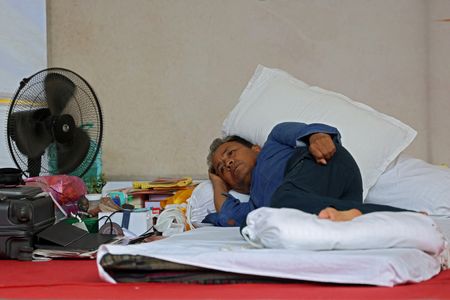

New Delhi authorities have hospitalized social activist Sonam Wangchuk after his health took a turn for the worse on the 21st day of an ongoing hunger strike aimed at forcing India’s federal education minister out of office.
Wangchuk, who is 59 years old, began refusing food on June 28 in a show of solidarity with India’s youth Cockroach Janta Party, known as CJP. The group is calling for Education Minister Dharmendra Pradhan to step down following the leak of exam papers in May — a scandal that impacted millions of students across the country.
Delhi police confirmed that Wangchuk was transferred to a medical facility “for essential medical care” under court orders after his condition worsened on Saturday.
Earlier in the week, the Delhi High Court directed officials to closely monitor Wangchuk’s health and step in if necessary. The court’s action came in response to a petition requesting that authorities force-feed the activist as his condition continued to decline.
Members of the CJP announced plans to march to India’s parliament on July 20, coinciding with the start of the monsoon legislative session, to push for Pradhan’s removal and call for changes to the country’s exam system.
Throughout the protest, Wangchuk has been a central figure, lying on a mattress on a stage while supporters and visitors gathered around him at the demonstration site.
The federal government under Prime Minister Narendra Modi previously accused Wangchuk of stirring unrest through what it described as inflammatory remarks made during violent demonstrations in the Himalayan territory of Ladakh, where Wangchuk is from. He spent roughly six months behind bars before being released in March of this year. Wangchuk has rejected those accusations, arguing that the violent protests reflected deep public frustration with the central government.
On the third day of his fast, Wangchuk spoke with Reuters and said he intended to continue fasting for six weeks — unless his life ended before then.
“But hopefully, we don’t have to go that far,” he said at the time. “A sensitive government in a democracy listens to the pains of the people, and I hope they will take action.”