
India’s health ministry announced Tuesday that drug regulators have strengthened oversight of unauthorized weight-loss medication sales and marketing following the recent introduction of lower-cost generic alternatives to Ozempic and Wegovy over the weekend.
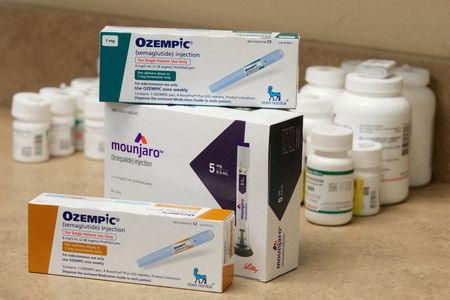
Six or more Indian pharmaceutical companies, including major players Dr Reddy’s, Zydus and Sun Pharma, introduced various branded versions of the popular diabetes and weight-loss medications, offering prices as much as 70% below Novo Nordisk’s original products in certain instances. This followed the expiration of semaglutide’s patent protection last week.
Semaglutide serves as the primary active ingredient in both Ozempic and Wegovy medications.
The patent’s expiration raised alarm about potential abuse and physician confusion as medication costs dropped dramatically.
According to the ministry’s announcement, the Central Drugs Standard Control Organization (CDSCO) performed inspections at 49 locations nationwide, encompassing pharmaceutical distributors, retail pharmacies, and weight-loss clinics.
The regulatory focus centered on detecting infractions involving unauthorized sales activities, inappropriate prescribing methods, and deceptive advertising practices, with violation notices issued to non-compliant organizations, the announcement stated.
“These drugs, when used without proper medical supervision, may lead to serious adverse effects and related health risks,” the statement said, noting concerns about their widespread availability through multiple distribution channels.
The CDSCO issued warnings to pharmaceutical manufacturers earlier this month against direct or indirect promotional activities for weight-loss treatments, including obesity education programs that might function as disguised marketing efforts.
Industry experts anticipated over 40 Indian drug manufacturers would introduce more than 50 branded versions following patent expiration, competing for market share in a sector projected to expand to 80 billion rupees ($852.62 million) by 2030 from approximately 15 billion rupees currently, based on Pharmarack research firm data.