
WASHINGTON — The International Monetary Fund issued a downgraded outlook for the global economy on Wednesday, pointing to the energy shock triggered by the ongoing conflict involving Iran as a major drag on growth. However, a wave of investment in artificial intelligence and other technologies is helping to cushion some of that economic pain.
The IMF now projects the world economy will grow at a modest 3% pace in 2026 — a step back from 3.5% growth recorded last year and below the 3.1% the organization had predicted back in April.
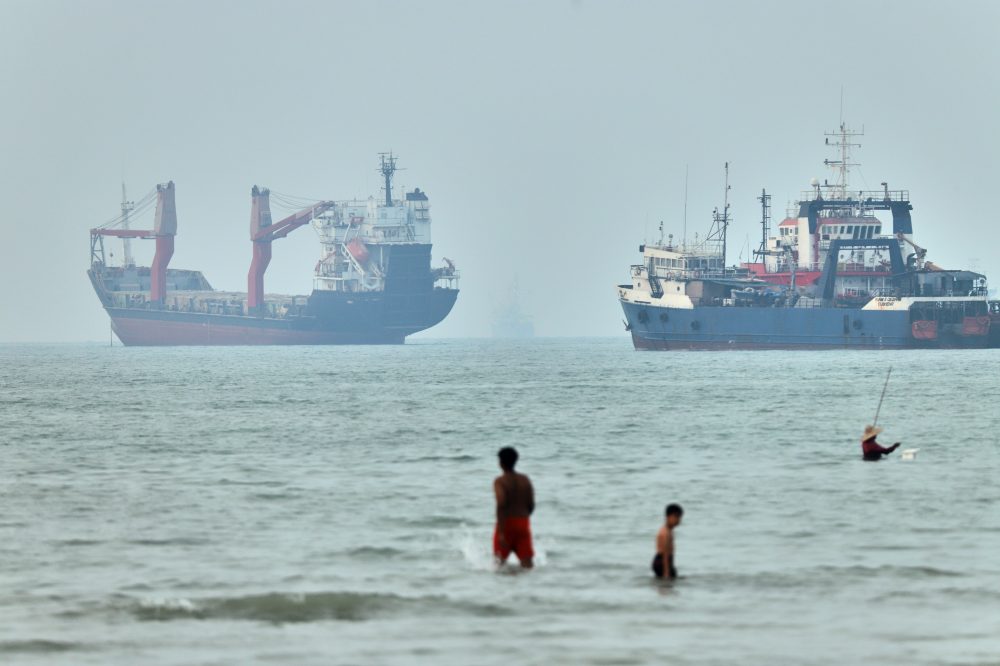
The trouble began when Iran responded to U.S. and Israeli military strikes on February 28 by closing off the Strait of Hormuz, a critical shipping passage through which roughly one-fifth of the world’s crude oil and natural gas travels. The move sent energy prices sharply higher, putting pressure on both businesses and consumers around the world. The IMF now anticipates oil prices will climb nearly 32% this year, and that global consumer prices will rise 4.7% in 2026 — up from 4.1% in 2025. That would mean two years of hard-won progress against inflation has effectively stalled.
Nations that produce and export their own energy and are benefiting from the AI investment boom are largely shielded from the worst of the war’s economic fallout. The United States is one of those countries. The IMF expects the American economy — still the largest in the world — to grow a healthy 2.3% this year, an improvement over the 2.1% recorded in 2025 and in line with what the IMF had forecast in April. President Donald Trump’s 2025 tax cuts, productivity gains, and a strong stock market are all contributing to the U.S. economy’s resilience.
In contrast, the 21 European nations that share the euro currency are feeling the pinch of higher energy costs. Those countries combined are expected to grow just 0.9% this year, compared to 1.4% in 2025.
China, the second-largest economy in the world, is forecast to expand 4.6% this year — slower than the 5% seen in 2026 but slightly ahead of what the IMF had anticipated in April. While China is being weighed down by elevated energy prices and a collapse in its property market, government infrastructure spending, a rise in high-tech manufacturing, and strong export activity are helping to offset those headwinds.
India is once again on track to be the fastest-growing major economy in the world, with projected growth of 6.4% this year. That figure is down from a remarkable 7.7% last year but is still being driven by robust consumer spending.
The IMF is a 191-member lending institution focused on encouraging economic growth, maintaining financial stability, and reducing poverty worldwide.