
BUDAPEST, Hungary — Hungarian officials announced they will prevent a massive $106 billion European Union aid package from reaching Ukraine unless Russian oil deliveries through a critical pipeline are restored.
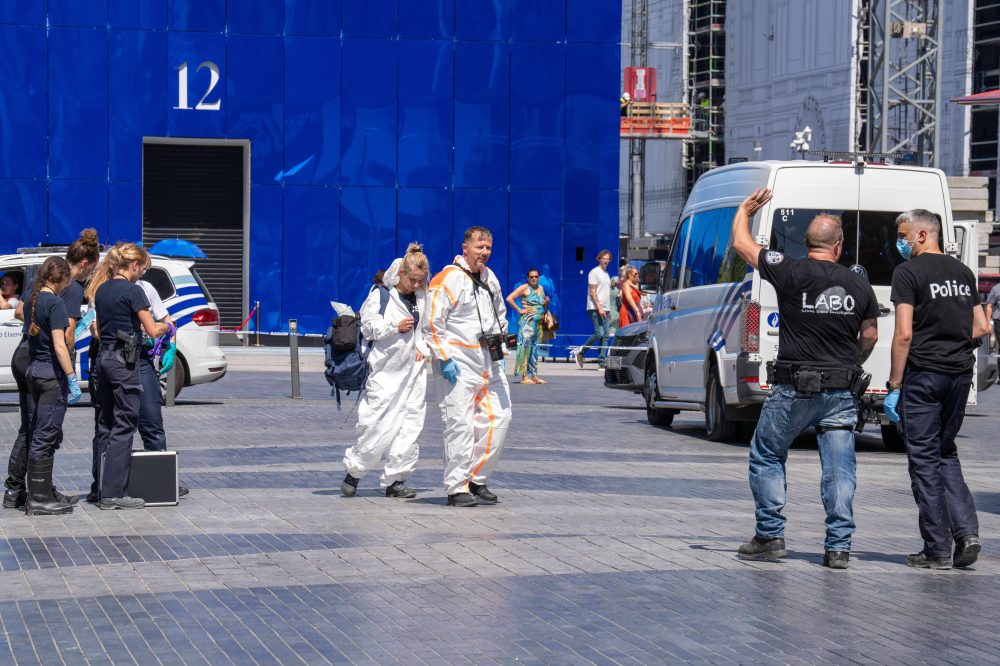
Oil shipments to Hungary and Slovakia came to a halt on January 27th when Ukrainian authorities reported that a Russian drone strike had damaged the Druzhba pipeline. This key energy artery transports Russian crude oil across Ukrainian soil into Central European nations.
Both Hungary and Slovakia have temporary waivers allowing them to continue importing Russian oil despite broader EU restrictions. These countries now claim, without offering proof, that Ukraine is intentionally preventing the restoration of oil supplies.
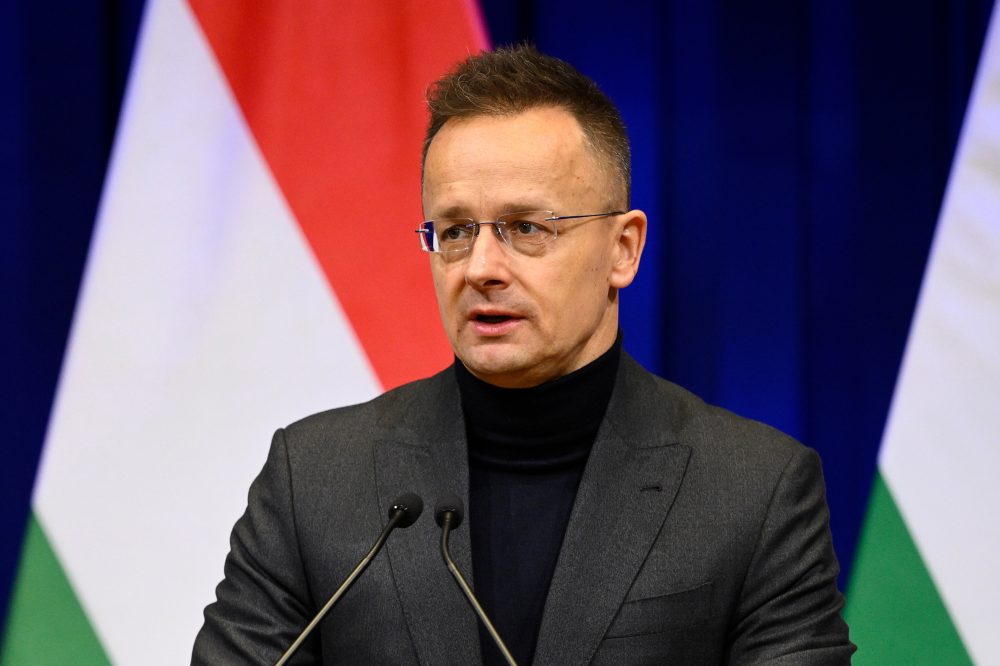
Hungarian Foreign Minister Péter Szijjártó released a social media video Friday night, claiming Ukraine was engaging in “blackmail” by not restarting the oil flow. He announced his nation would obstruct the interest-free loan that EU leaders approved in December to support Ukraine’s military and economic requirements over the coming two years.
“We will not give in to this blackmail. We do not support Ukraine’s war, we will not pay for it,” Szijjártó said. “As long as Ukraine blocks the resumption of oil supplies to Hungary, Hungary will block European Union decisions that are important and favorable for Ukraine.”
This financial blockade follows Hungary’s decision earlier this week to halt diesel shipments to Ukraine until Druzhba pipeline operations restart. The escalation comes just days before the fourth anniversary of Russia’s large-scale military assault on Ukraine.
While virtually all European nations have dramatically cut or completely eliminated Russian energy purchases since Moscow began its war on February 24, 2022, Hungary continues as both an EU and NATO member to maintain and expand its Russian oil and gas imports.
Hungarian Prime Minister Viktor Orbán, known for his nationalist policies, has consistently maintained that Russian energy sources are essential for his country’s economic stability. He argues that transitioning to alternative energy suppliers would trigger immediate economic disaster, though several experts challenge this assessment.
Orbán is widely regarded as Moscow’s strongest supporter within the European Union and has repeatedly resisted the bloc’s sanctions against Russia following the invasion. He has also criticized measures targeting Russian energy profits that help fund the military campaign, and his administration has regularly threatened to veto EU assistance to Ukraine.
The $106 billion loan package did not receive unanimous support from all 27 EU member nations. Hungary, Slovakia, and the Czech Republic initially opposed the proposal, but an agreement was eventually reached where these countries agreed not to block the funding in exchange for guarantees protecting them from potential financial consequences.