
A Hong Kong conglomerate’s subsidiary has launched legal arbitration against Danish shipping giant Maersk, claiming the company collaborated with Panama’s government in a coordinated effort to seize control of crucial port facilities along the Panama Canal.
Panama Ports Company, which operates under Hong Kong’s CK Hutchison Holdings, announced Tuesday that Maersk A/S deliberately sabotaged their existing contract to operate terminals at both ends of the Panama Canal, creating an opening for a Maersk-affiliated company to assume control of the Balboa terminal.
The arbitration proceedings will take place in London, though the Hong Kong firm has not disclosed what specific compensation or remedies it plans to seek.
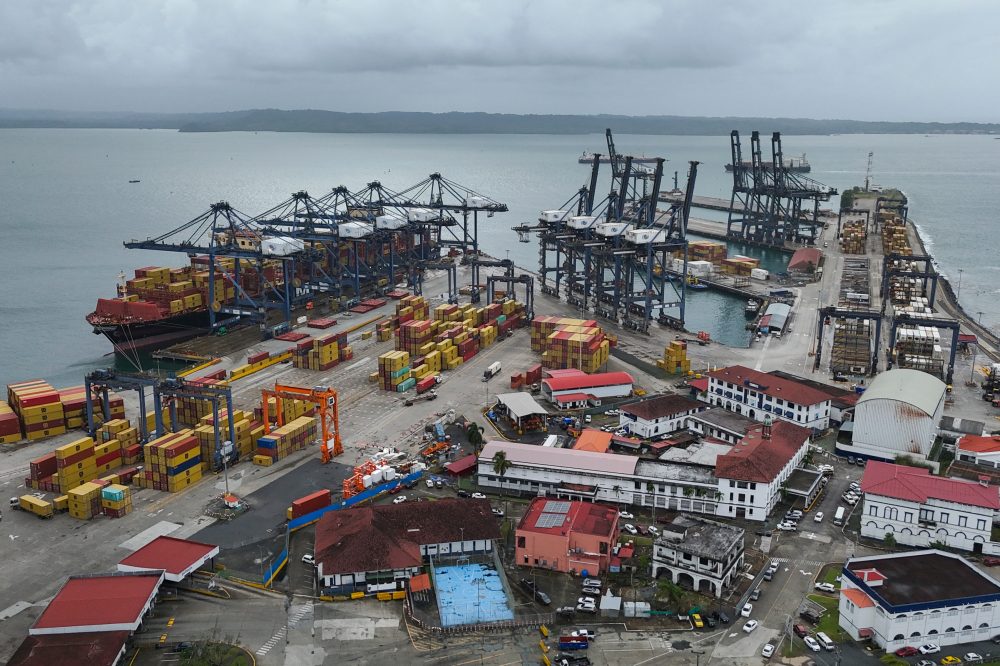
Earlier this year in February, Panama’s administration took control of both the Balboa and Cristobal port facilities following a Supreme Court decision that invalidated the concession agreement permitting Panama Ports Company to manage these operations. This judicial ruling prompted strong criticism from Chinese officials.
Subsequently, Panama’s leadership permitted subsidiaries of both Maersk and Mediterranean Shipping Company to assume operational control of these two strategic ports.
Panama Ports Company initiated separate arbitration against Panama in February, later expanding their compensation demands to exceed $2 billion by late March.
The company emphasized Tuesday that their legal action against Maersk represents a distinct case from their ongoing efforts to seek accountability from Panama for what they characterized as “anti-contract and anti-investor conduct.”
Both Panama’s administration and Maersk have not yet provided responses to these allegations.
These legal challenges may further complicate CK Hutchison’s original strategy to divest most of their global port portfolio, including the Panama facilities, through a $23 billion transaction involving a consortium that included U.S. investment giant BlackRock.
The divestiture proposal, initially revealed in March 2025, gained approval from U.S. President Donald Trump, who has previously raised concerns about Chinese influence over this vital shipping corridor. However, the planned transaction reportedly frustrated Beijing, leading China’s competition authority to announce a regulatory review of the arrangement last year.
The transaction participants have been exploring alternative approaches to complete the sale, including potential plans to incorporate a Chinese investor into the purchasing consortium.