
The ancient streets of Jerusalem echo with an unusual quiet as the holy city prepares for Easter and Passover celebrations unlike any in recent memory. Five weeks into the conflict with Iran, the normally bustling religious center faces its most somber spring season, with sacred sites closed and families weary from constant alerts.
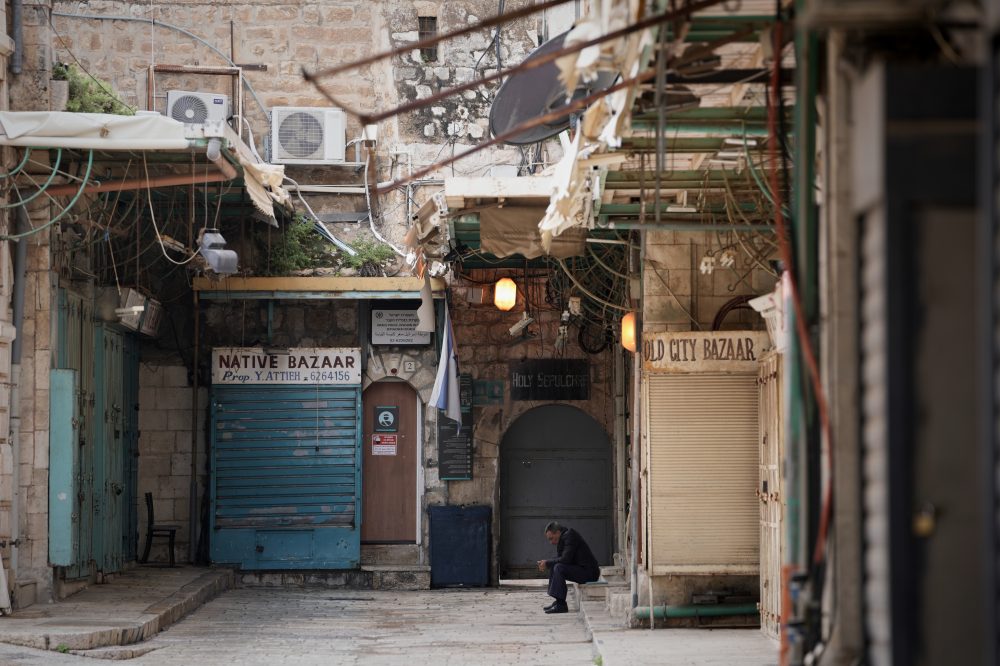
The Old City’s characteristic energy has vanished, replaced by shuttered storefronts and empty stone walkways where pilgrims and tourists typically crowd during the spring religious season. The contrast is striking compared to previous years when these holy days brought throngs of visitors and joyful family reunions.
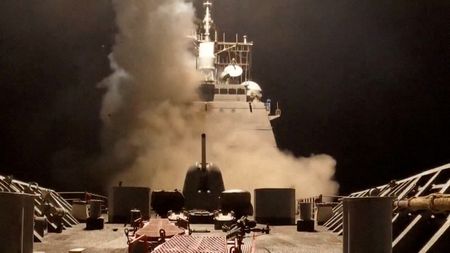
While Jerusalem has historically been spared from direct attacks in past conflicts, this war has brought unprecedented danger to the sacred city. Since joint Israeli and American military operations against Iran began on February 28, Jerusalem has faced repeated missile strikes.
The most sobering reminder came when an Iranian missile, shot down by defense systems, scattered debris across the rooftop of the Greek Orthodox Patriarchate. The damage occurred mere steps from the Church of the Holy Sepulcher, Christianity’s most revered site marking the location where many believe Jesus was crucified, buried, and rose again. The historic church now sits empty, closed under military restrictions that prohibit gatherings exceeding 50 people.
Additional missile fragments struck near the Western Wall, Judaism’s holiest prayer site, underlining how the conflict has reached the heart of the city’s spiritual center.
Rabbi Shmuel Rabinowitz, whose office provides a view of the Western Wall plaza, now sees only vacant stones where thousands usually gather. “The heart aches greatly, it bleeds, seeing the Western Wall as it looks now,” he said.
The traditional massive priestly blessing ceremony for Passover, which typically attracts tens of thousands of worshippers, will proceed with just 50 participants, Rabinowitz explained. This represents the maximum number permitted in the Western Wall’s enclosed prayer area under current wartime safety protocols, reminiscent of restrictions during the coronavirus pandemic.
Christian communities face similar disruptions. The Latin Patriarchate has called off Sunday’s Palm Sunday procession, which commemorates Jesus’ celebrated arrival in Jerusalem. In typical years, tens of thousands of Christians from across the globe would march through the narrow, sloping streets toward the Old City, carrying palm branches and singing hymns.
Father Rami Asakrieh, who serves Jerusalem’s Catholic community, acknowledged the deep disappointment over losing the procession, describing it as an emotionally and spiritually significant tradition. However, he emphasized that the cancellation serves as a reminder that true faith originates from within rather than external ceremonies.
“We are celebrating resurrection, resurrection is from death and winning the pain and the war,” he said. “It will not come by having fear, but by having faith.”
Asakrieh noted that a local Catholic high school, currently empty due to class cancellations, was also damaged by debris from an intercepted Iranian missile. Despite the restrictions, he continues conducting Mass for up to 50 congregants at the Saint Savoir monastery’s spacious marble hall, located near the Magnificat Institute music school. The school operates from what was formerly the convent’s basement, now approved by military officials as an adequate shelter.
Smaller houses of worship throughout Jerusalem – synagogues, mosques, and churches – remain open for groups of 50 or fewer, provided they sit near designated shelters or safe areas.
The Al Aqsa Mosque compound, Islam’s third-holiest location adjacent to the Western Wall, has remained vacant since the war’s onset. This closure eliminated prayers during most of Ramadan, the Muslim holy month that concluded ten days ago.
Fayez Dakkak, whose family has operated a shop serving Christian pilgrims since 1942, expressed heartbreak over Al Aqsa’s closure during the Islamic holy period. “It’s like there was no Ramadan for us,” Dakkak said. While he attended prayers at a neighborhood mosque, he explained that the experience cannot match worshipping at Al Aqsa.
Police directives have forced the closure of his business along with all non-essential stores in the Old City, part of comprehensive safety measures during the conflict. Dakkak revealed that declining pilgrim and tourist numbers in recent years had already made survival difficult. Still, he longed to open his shop for some normalcy and conversation with fellow merchants.
Israeli citizens have grown exhausted after nearly a month of daily air raid sirens, with 16 civilian fatalities and dozens of serious injuries reported.
Jewish families are scaling back their seder plans, organizing smaller, simpler ceremonial Passover meals that honor the Jewish departure from Egypt. This marks a significant change from previous celebrations featuring large family gatherings that often included relatives visiting from overseas. Ben Gurion airport has maintained severely limited operations throughout the war. Many note the irony that as Passover approaches, Israelis are departing the country through the land border with Egypt to reach the Sinai desert, while the holiday celebrates ancient Israelites’ journey from Egypt through Sinai to reach Israel.
Religious Jewish families are rushing to complete Passover preparations, removing all traces of leavening from their homes, which requires “turning the house upside-down in between running for the shelter,” explained Jamie Geller, a cookbook author working in Jerusalem’s Old City.
From her workplace at Aish, a Jewish educational organization headquartered near the Western Wall plaza, Geller can observe where shrapnel damaged and destroyed rooftops, streets, and parking areas in the vicinity.
“It’s shocking,” she said. “The Old City has always been a bit off limits for international terror and war, but not this time.”