
For the first time in more than three decades, Lebanese and Israeli officials are sitting down for face-to-face diplomatic negotiations in Washington, marking a historic moment amid ongoing conflict that has devastated the small Mediterranean nation.
The groundbreaking discussions are taking place with U.S. Secretary of State Marco Rubio serving as facilitator, bringing together Israeli Ambassador to the United States Yechiel Leiter and Lebanese Ambassador Nada Hamadeh Moawad.
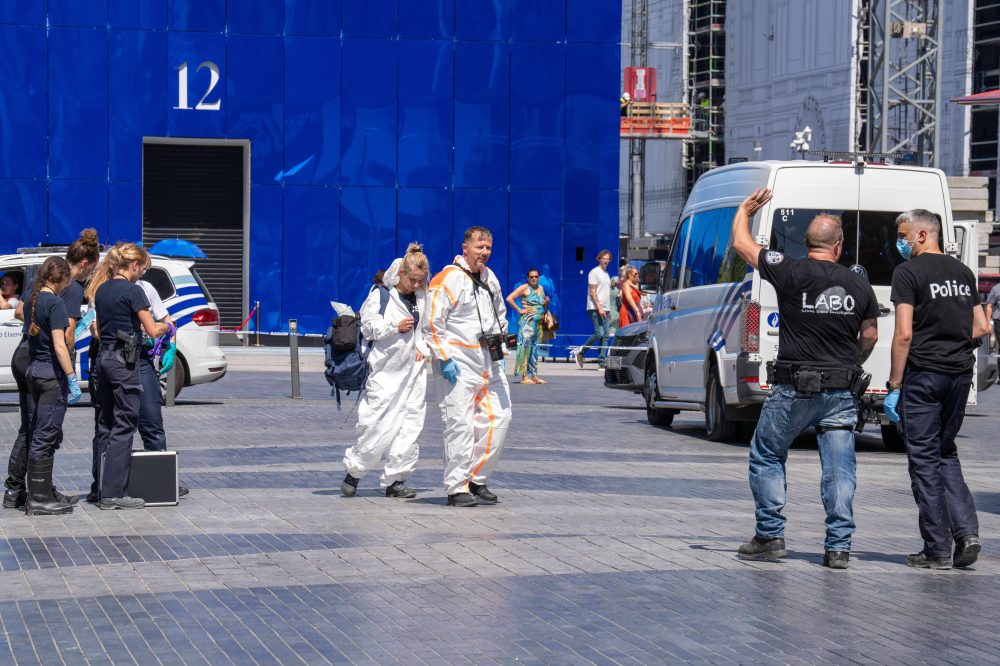
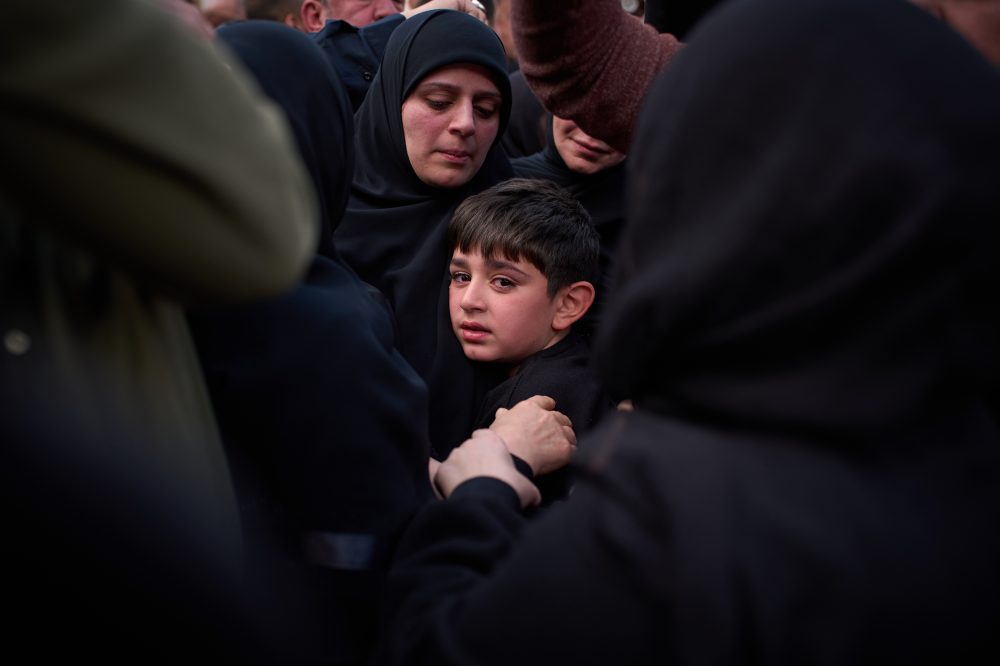
The diplomatic initiative comes after weeks of devastating warfare between Israeli forces and the Hezbollah militant organization, which has taken a catastrophic toll on Lebanon. According to the country’s Health Ministry, Israeli military operations have claimed the lives of at least 2,089 Lebanese citizens, including 252 women, 166 children, and 88 healthcare professionals, with an additional 6,762 people suffering injuries. The conflict has forced over one million residents from their homes.
Lebanese officials are hopeful these negotiations will create a pathway toward ending the current hostilities. While Iran has demanded cessation of regional conflicts as a prerequisite for engaging with Washington, Lebanon is asserting its independence by pursuing separate representation in these talks.
However, Hezbollah and various critics remain doubtful about the initiative, arguing that Lebanon’s government lacks sufficient negotiating power and should instead capitalize on Iran’s stronger position as the militant group’s primary supporter and financial backer.
Israeli military forces continue their ground operations in southern Lebanon, with some Israeli leaders stating their objective is establishing an uninhabited “security zone” extending from the border northward to the Litani River, covering approximately 30 kilometers. Despite being weakened from the previous conflict that concluded in November 2024, Iran-supported Hezbollah continues launching daily attacks using drones, rockets, and artillery against northern Israeli territory and ground forces operating within Lebanon.
According to a U.S. State Department representative, the Israeli and Lebanese delegations are meeting to explore methods for establishing lasting security along Israel’s northern frontier while supporting Lebanon’s efforts to reclaim territorial control and political independence from Iran-backed Hezbollah influence.
These represent the first direct negotiations between the two nations since 1993, confirmed the State Department official, who requested anonymity as they were not authorized for public statements.
Lebanon’s senior political leadership, who criticized Hezbollah’s March 2 rocket attacks toward Israel conducted in solidarity with Iran, swiftly advocated for direct negotiations to prevent further escalation, hoping to deter Israel from proceeding with ground operations.
Israel remained unresponsive to these diplomatic overtures until recent days, following the execution of 100 airstrikes throughout the country, including attacks in central Beirut.
Lebanese officials are seeking a ceasefire as a condition for negotiations, similar to Pakistan-mediated discussions between the United States and Iran.
“Israel’s destruction of Lebanese territories is not the solution, nor will it yield any results,” declared President Joseph Aoun on Monday, who assumed office promising to disarm non-governmental armed groups including Hezbollah. “Diplomatic solutions have consistently proven to be the most effective means of resolving armed conflicts globally.”
Israel has rejected any ceasefire proposals.
“We will not discuss a ceasefire with Hezbollah, which continues to carry out indiscriminate attacks against Israel and our civilians,” stated Shosh Bedrosian, spokesperson for Israeli Prime Minister Benjamin Netanyahu, on Monday.
Hezbollah and its allies have condemned the talks, characterizing them as an unwarranted concession to Israel.
Hezbollah Secretary-General Naim Kassem delivered an impassioned address urging Lebanon to abandon the negotiations. The organization prefers returning to the 2024 framework where discussions occurred indirectly through U.S., French, and United Nations peacekeeping mediators in southern Lebanon.