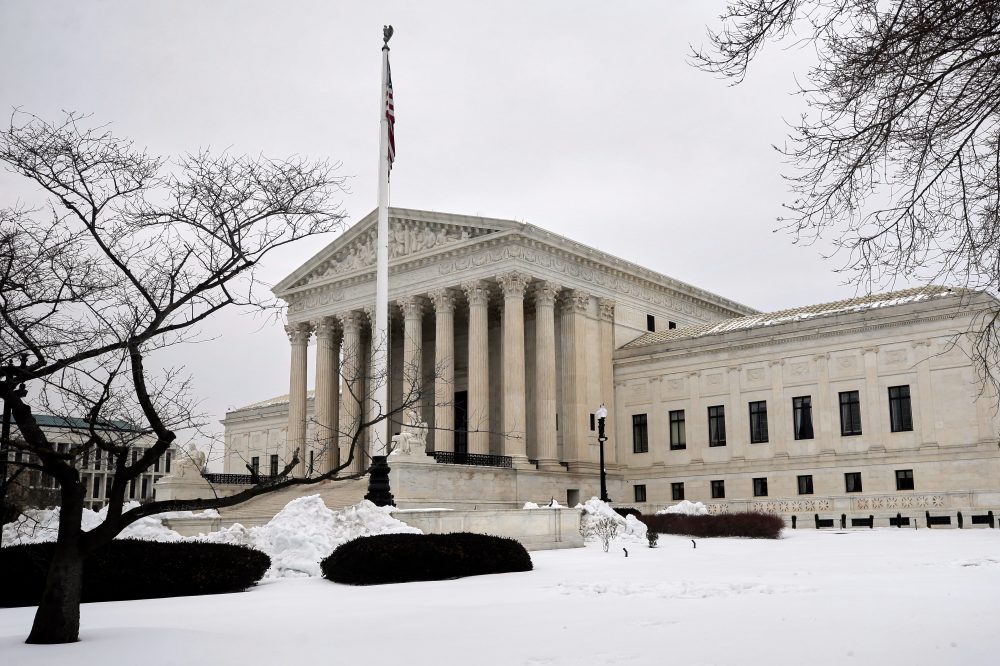

WASHINGTON — The nation’s highest court announced Monday it will review arguments from major energy corporations attempting to shut down legal actions that could hold them responsible for billions in climate-related damages.
The court, which has a conservative majority, decided to examine a dispute originating in Boulder, Colorado, part of numerous legal challenges claiming these corporations misled Americans about fossil fuels’ role in climate change.
Local and state governments nationwide are pursuing damage claims worth billions of dollars, contending the money is needed to fund recovery efforts following wildfires, coastal flooding, and extreme weather events made worse by changing climate conditions. These legal battles are part of a broader movement spanning states like California, Hawaii, and New Jersey, as well as international efforts to force climate action through judicial proceedings.
After Colorado’s top court allowed the Boulder lawsuit to move forward, Suncor Energy and ExxonMobil petitioned the Supreme Court for review. These corporations maintain that emissions represent a nationwide concern that belongs in federal courts, where comparable cases have been dismissed.
“The use of state law to address global climate change represents a serious threat to one of our Nation’s most critical sectors,” company lawyers stated.
The Trump administration has backed the energy companies, urging the justices to overturn Colorado’s Supreme Court ruling. Officials warn this could result in “every locality in the country could sue essentially anyone in the world for contributing to global climate change.”
Trump, a Republican president, has denounced these lawsuits through executive action, while the Justice Department has worked to prevent some cases from advancing in court.
Boulder’s legal team argued the case remains in preliminary phases and belongs in state court. “There is no constitutional bar to states addressing in-state harms caused by out-of-state conduct, be it the negligent design of an automobile or sale of asbestos,” their attorneys stated.