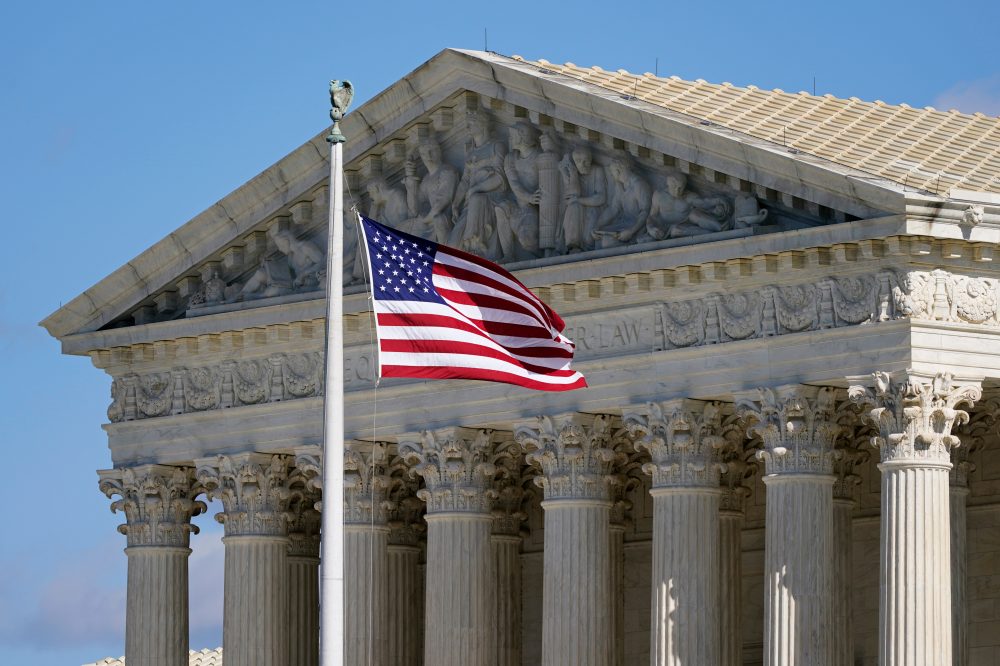

The nation’s highest court delivered a decisive 8-1 ruling Thursday supporting a US business in its battle over assets seized during Cuba’s revolutionary period over six decades ago.
The justices breathed new life into legal action brought by Havana Docks, an American firm that previously ran dock operations in Cuba’s capital city. The company is pursuing legal action against four cruise operators that transported vacationers to Cuba when diplomatic relations briefly warmed under the Obama presidency.
Writing for the majority, Justice Clarence Thomas determined that the federal appeals court in Atlanta made an error in throwing out the legal claims, stating that “the cruise lines used confiscated property to which Havana Docks owns the claim.”
While Thursday’s decision doesn’t represent a final resolution in Havana Docks’ lawsuit, it arrives during a period of increased tensions with Cuba under President Donald Trump’s leadership, including Wednesday’s criminal charges against former Cuban President Raúl Castro related to the 1996 destruction of civilian aircraft operated by Miami-based Cuban exiles.
The high court’s decision centered on a section of federal legislation called Helms-Burton, which lawmakers enacted following those aircraft incidents. The law’s Title III section permits Americans to pursue legal action against virtually any business that participates in commercial activities or profits from assets seized by Cuba’s administration.
Prior to the initial Trump presidency, every commander-in-chief had put this legal provision on hold due to concerns from US allies conducting business in Cuba and potential impacts on future diplomatic agreements between America and Cuba.
During 2016, President Barack Obama utilized a joint press event with Castro to declare that cruise operators could restart Cuban service. Carnival, Norwegian, Royal Caribbean and MSC Cruises launched Havana port calls that enabled cruise passengers to visit local entertainment venues, historical sites, waterways and coastal areas.
This situation shifted dramatically in 2019 when Trump chose to enable the lawsuit provision and subsequently imposed fresh travel limitations. The cruise companies quickly eliminated Cuban destinations and redirected vessels already at sea.
In the legal proceeding initiated by Havana Docks, US District Judge Beth Bloom in Miami determined the cruise operators were responsible for utilizing the Havana port facility the business previously managed.
Bloom concluded that Treasury Department authorizations from Obama’s administration allowing American passengers to travel to Cuba did not protect the cruise companies from legal action.
She granted Havana Docks more than $400 million total. A federal appeals panel sided with the cruise operators, overturning the monetary award.
The matter now goes back to the appeals court. Thomas noted that the cruise companies have additional legal arguments that remain unresolved.