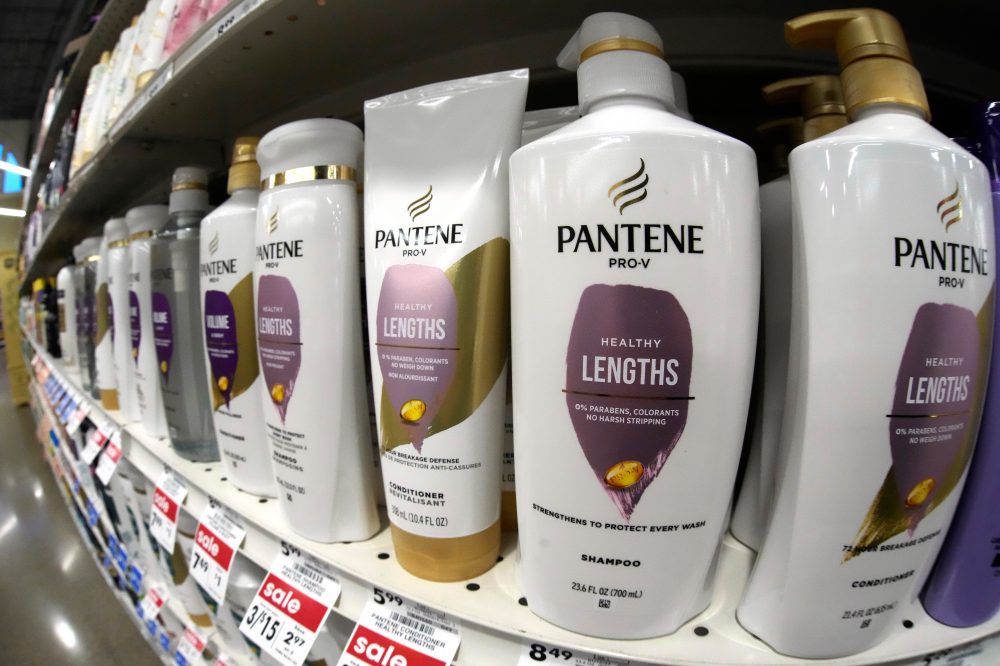

Fancy bottles and compelling marketing messages promising miracle hair transformations often make shoppers question whether they should swap their budget-friendly drugstore shampoo for a luxury product costing five times more.
Hair care specialists and dermatologists confirm that reasonably-priced shampoos and conditioners available at local stores can perform just as effectively as their high-end counterparts that feature attractive social media campaigns and celebrity endorsements. Medical professionals recommend that consumers focus on ingredient lists, understand their specific scalp conditions and hair needs, and consider their complete styling routine — consulting a physician when uncertain about persistent issues.
High-end products may perform effectively and sometimes contain costly active components, dermatologists note. Additional pricing factors include company size and investments in organic components, environmentally-friendly farming practices, and recyclable packaging materials.
Dr. Crystal Aguh, who serves as a dermatologist and heads the Ethnic Skin Program at Johns Hopkins School of Medicine, explained that she typically divides patients into two categories: those with damage-prone hair and those with damage-resistant hair.
The damage-prone category encompasses individuals with highly curled hair, those who apply chemical treatments, and people who regularly use heated styling equipment. She noted that damage-resistant characteristics include naturally oily and straight hair textures.
Individuals with fragile hair should steer clear of shampoos listing sodium lauryl sulfate as a primary component, Aguh explained. This ingredient strips away significant amounts of sebum, the natural protective oil coating that shields hair strands. When sebum is removed, hair may become extremely dry and prone to breakage.
For individuals with curly or chemically-treated hair, Aguh suggests reducing washing frequency to prevent excessive sebum removal. She recommended that people with tightly coiled hair should cleanse only once weekly. Those with wavy, color-treated hair might achieve better results washing every two to three days.
Hair that resists damage and tends toward oiliness with straight texture can handle daily washing routines.
While costly shampoos and conditioners may deliver good results, budget-friendly alternatives can achieve comparable performance, Aguh stated. She emphasizes to her patients that “it’s not the products, it’s the process” that most significantly impacts hair wellness, including washing frequency, coloring treatments, and heat styling habits.
“Instead of spending hundreds of dollars thinking, ‘If I just find the right shampoo, right conditioner, all of my troubles will go away,’ you also have to just look at what your process looks like … because that will often do the trick,” she explained.
She confirmed that combining premium and mass-market products works perfectly fine, and consumers shouldn’t feel pressured to purchase complete product lines from expensive brands.
According to Aguh, certain popular brands maintain lower prices because large corporations manufacture them, allowing for cost savings through mass production. In contrast, expensive brands may operate with smaller teams and limited resources, preventing them from achieving similar cost efficiencies.
For dandruff treatment specifically, Aguh frequently suggests over-the-counter options rather than prescription treatments. However, she stressed that persistent dandruff concerns warrant medical consultation.
Dr. Joe Tung, a dermatologist with the University of Pittsburgh Medical Center, advised people to view shampoo as scalp skincare rather than merely a beauty product.
“Hair itself is biologically inactive once it grows out, but underneath the surface of the skin on the scalp is a full ecosystem with stem cells, immune cells, oil glands, nerve endings,” he explained. “When that ecosystem is balanced, the scalp feels comfortable and hair grows optimally; when it is disrupted, people can experience itching, flaking, excess oil, or hair loss.”
Tung emphasized that consumers should prioritize their scalp’s requirements when selecting shampoo, while conditioner choices should depend on hair texture and existing damage. He noted that dandruff and scalp irritation respond well to shampoos targeting inflammation and bacterial imbalances, while dry or chemically-processed hair benefits from mild cleansers paired with nourishing conditioners.
While expensive hair care products sometimes justify their cost, Tung stressed that a product’s performance depends on active ingredients rather than marketing appeal. “An antifungal ingredient works because of its molecular activity, not because it comes in a luxury bottle or from a prestigious brand,” he stated.
Premium shampoos often feature more sophisticated conditioning compounds and calming ingredients that may enhance comfort during frequent washing, Tung noted. However, some luxury formulations include fragrances or plant extracts that might irritate sensitive skin. He pointed out that straightforward formulas typically work better for people with skin sensitivities.
MOKO Organic Beauty Studio in Philadelphia carries organic shampoos and conditioners priced between $24 and $45. Owner Monique Mason described the salon’s commitment to offering products beneficial for both scalps and environmental health.
Mason identified ingredients as the primary factor affecting price among various considerations. Organic formulations typically exclude inexpensive sulfates, artificial fragrances, and parabens commonly found throughout the personal care market, she explained. Mason also investigates the manufacturing practices of brands she carries to verify their environmental responsibility claims.
“I get to know them, whether they’re family-owned, how they farm, how they source their ingredients,” she said.