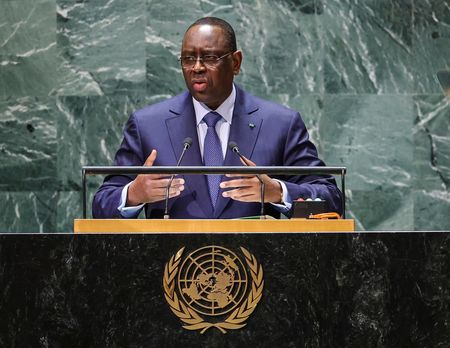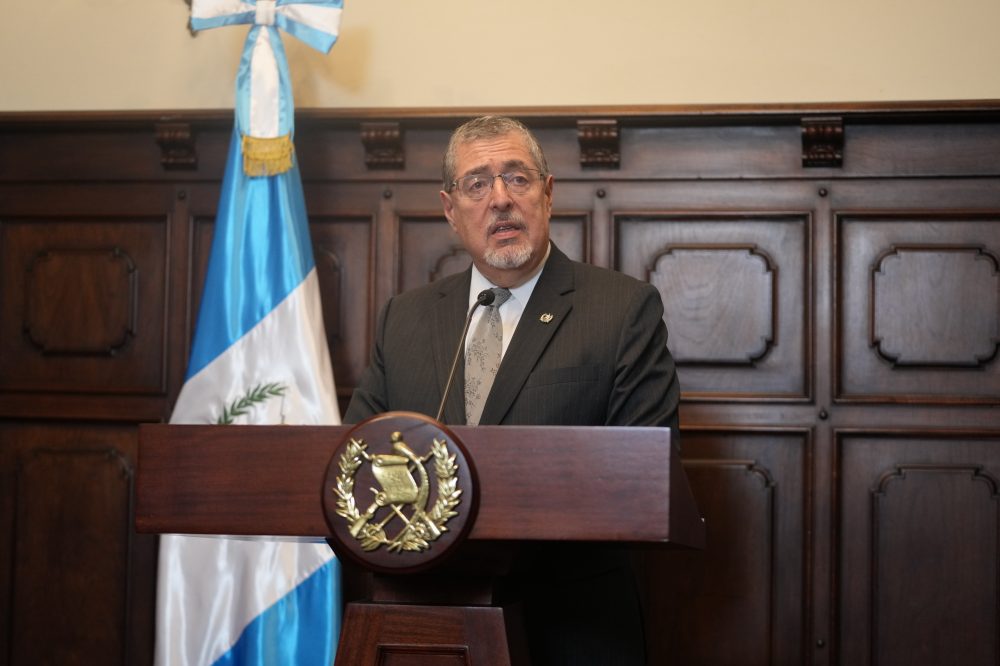

Guatemala’s leader Bernardo Arévalo rejected claims Thursday that his nation has struck a new deal with the United States for conducting anti-narcotics operations within Guatemala’s borders.
Arévalo’s statement followed reporting by The New York Times suggesting the Central American country had agreed to participate in joint anti-drug strikes.
The dispute represents another chapter in continuing friction between the Trump administration and Latin American nations trying to balance drug-fighting cooperation with the United States while protecting their national independence.
“There is no agreement. There is a request that falls within the framework of existing agreements in several countries,” Arévalo told reporters during a press briefing.
“What we are signing are types of collaboration that have been taking place in the past. We conduct maritime interdictions where the United States has been collaborating with training, capacity building and equipment,” Arévalo explained.
The president emphasized that his government’s actions comply with Guatemala’s legal framework and constitution.
“The only body that can authorize operations involving soldiers on Guatemalan soil is the Congress of the Republic. The Guatemalan government is not requesting this cooperation and has no plans to do so,” the president stated.
Pentagon acting press secretary Joel Valdez declined to address the reported agreement directly, saying he cannot “speculate on future operations or discuss matters of operational security” while noting that the Department of War collaborates with regional partners against drug trafficking and other cross-border threats.
Guatemala’s administration also released a statement and two letters showing discussions between its defense minister and U.S. Secretary of War Pete Hegseth about joint military activities under existing agreements.
The controversy follows the April deaths of two CIA operatives in northern Mexico during a mission to eliminate a drug laboratory, which brought attention to U.S. agent presence across Latin America and sparked questions about expanded American involvement in the region. Mexican authorities subsequently provided conflicting explanations about their knowledge of the CIA personnel’s activities.
Mexico recognizes that U.S. agencies operate within its territory but maintains they cannot engage in direct field operations.