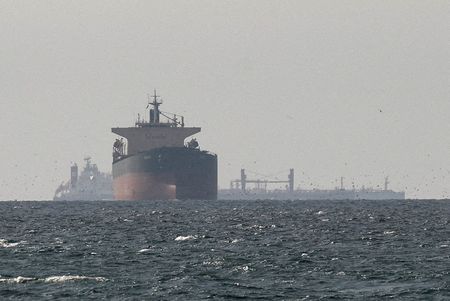

Financial markets worldwide experienced significant turbulence Thursday, with oil prices jumping dramatically and stock markets declining after President Donald Trump suggested the conflict with Iran would continue, dashing hopes for a quick resolution to the Strait of Hormuz closure.
Crude oil prices skyrocketed, with U.S. oil climbing 11% while global markets struggled. The volatility reflects ongoing uncertainty about when the critical shipping route might reopen.
Market analyst Jamie McGeever noted that employment data scheduled for Friday could reveal additional economic challenges. The upcoming nonfarm payrolls report is anticipated to show modest job growth of 60,000 positions, with unemployment holding steady at 4.4%.
However, beneath these seemingly stable numbers lie concerning trends. Job creation has essentially stalled over the past six months, with employment gains averaging near zero. This stagnation comes at a particularly challenging time as the Middle East conflict continues to pressure the economy.
Thursday’s trading session exemplified how expectations about the Strait of Hormuz reopening continue to drive market sentiment. Trump’s Wednesday remarks indicating no immediate ceasefire or resolution sent stocks tumbling and oil soaring. Some of these movements reversed slightly Thursday following news that Iran and Oman would collaborate on monitoring shipping traffic through the strait, raising hopes for eventual reopening. The conflict has now entered its sixth week.
Adding to market concerns, private credit markets faced additional stress as Blue Owl announced withdrawal restrictions on two of its funds following unprecedented redemption requests. This development has intensified worries about asset valuations and potential risks within the private lending sector.
The restriction on investor withdrawals represents the latest example of investors seeking to exit private credit investments, only to face limitations. Such moves typically heighten rather than calm investor concerns and are likely to attract increased regulatory scrutiny.
Thursday’s market performance showed mixed results across regions. Asian markets suffered significant declines, with Japan falling 2% and South Korea dropping 5%. European markets outside the UK posted modest losses, while Wall Street showed mixed performance. The FTSE 100 managed a 0.7% gain.
Within U.S. sectors, real estate led gains with a 1.5% increase, while technology advanced 0.7%. Consumer discretionary stocks declined 1.5%. Individual stock movements included Intel rising 5% and Tesla falling 5%.
Currency markets saw the dollar strengthen broadly, while the Indian rupee surged 2% for its best single-day performance since 2013 following central bank measures to limit foreign exchange speculation.
In commodities, Brent crude jumped 7% to $108 per barrel, while West Texas Intermediate crude’s 11% surge to $111 represented its largest dollar gain in five years. Gold declined 2%.
Looking ahead to Friday’s trading, many global markets will remain closed, though U.S. bond markets will operate until noon. Investors will focus on Middle East developments, energy market movements, and the release of March employment data and manufacturing surveys.