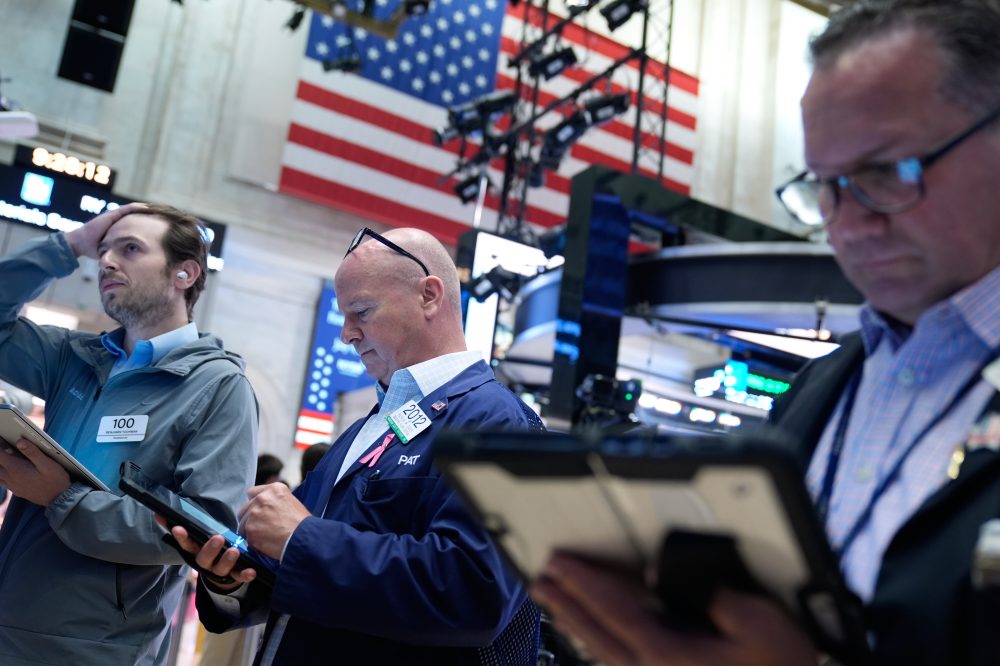

Financial markets across the globe are bracing for a turbulent period as multiple economic pressures converge, from escalating oil costs due to Middle East warfare to critical employment data and central bank policy decisions.
Market analysts from major financial centers are monitoring several key developments that could shape trading in the coming days.
Energy Crisis Deepens
Crude oil costs have surged once more, momentarily climbing past $120 per barrel this week to reach levels not seen since 2022, driven by the ongoing Iran conflict now in its third month.
The United States and Iran are under mounting pressure to resolve hostilities that have effectively blocked the Strait of Hormuz, creating what experts describe as the most significant energy supply disruption in recent history.
Each additional week of strait closure and sustained high oil prices amplifies economic dangers through increased inflation, sluggish growth, or potentially both scenarios simultaneously. Japan recently took action to support its yen, which has weakened due to the conflict’s impact.
Despite the turmoil, international stock markets continue showing resilience, supported by solid corporate earnings and artificial intelligence developments. However, market observers question whether this stability can persist if the war continues.
With a new month beginning, some investors are considering the traditional market wisdom: “sell in May and go away.”
Employment Report on the Horizon
While the American economy deals with consequences from Middle Eastern warfare, Wall Street’s attention shifts to Friday’s April employment statistics.
Economic forecasters surveyed by Reuters predict the creation of 73,000 new positions. March employment figures showed an increase of 178,000 jobs, marking the strongest performance since December 2024, though this followed February’s significant drop.
These employment numbers arrive as Federal Reserve officials display increasingly hawkish attitudes, with Donald Trump’s nominee Kevin Warsh preparing to assume the chairmanship while the president advocates for interest rate reductions.
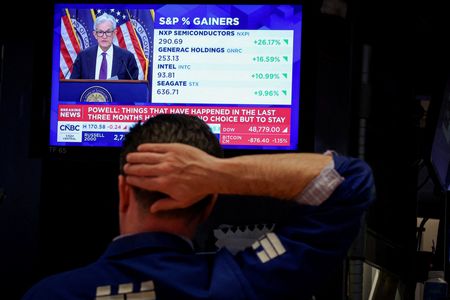
The Federal Reserve maintained current rates on Wednesday as anticipated, but three policymakers objected because they believed language suggesting an “easing bias” was no longer suitable, suggesting the Fed may face obstacles in cutting rates this year.
Political Pressure in Britain
Thursday’s local elections across Britain, typically insignificant for investors, may significantly impact markets, with polling data suggesting a substantial loss for Prime Minister Keir Starmer’s Labour Party.
British government bonds have declined this year during periods threatening Starmer’s political standing.
The Prime Minister faces criticism for naming Peter Mandelson as Britain’s U.S. ambassador, despite Mandelson’s documented connections to deceased American sex offender Jeffrey Epstein.
A decisive electoral defeat could trigger broader calls for his removal among party legislators and increase expectations of a replacement more inclined toward relaxed fiscal policies, potentially harming British bonds further.
The 10-year government bond has already become the poorest performer among G7 nations since the Iran conflict began February 28, by a considerable margin.
European Corporate Results
European companies face a significant earnings week, with energy giants Shell and Equinor, banking institutions Commerzbank and HSBC, and defense contractors Rheinmetall, Leonardo and Renk scheduled to report.
Collectively, European corporate earnings are projected to demonstrate strong 3.2% growth for the first quarter, according to LSEG I/B/E/S data.
However, the underlying situation presents greater complexity.
This growth is anticipated to come from only three industries: financial services, technology, and energy. The energy sector stands to benefit most from the Iran conflict through elevated oil and gas prices.
Should the war and energy price increases continue, Europe’s overall earnings prospects could shift.
The current reporting period may be premature for companies to reflect these concerns in their guidance, but it warrants monitoring in upcoming months.
This uncertainty may explain why investors are redirecting focus toward climbing U.S. equities.
Australian Rate Decision
The Reserve Bank of Australia’s Tuesday decision regarding a possible third consecutive rate increase may be extremely close, as inflation concerns and Middle East conflict remain as unclear as during the previous meeting.
The RBA increased its benchmark rate by 25 basis points to 4.1% in March following a narrow 5-4 vote, the closest margin since detailed vote breakdowns began last year. Meeting records revealed that war duration concerns were paramount as officials balance inflation and economic risks.
Another increase would push the RBA’s rate to a post-pandemic peak and reverse all of last year’s rate reductions.
Governor Michele Bullock emphasized the division reflected timing rather than policy direction, with all board members agreeing additional tightening was needed. Markets expect an 80% probability of an increase, slightly reduced from before Wednesday’s lower-than-expected core inflation data.