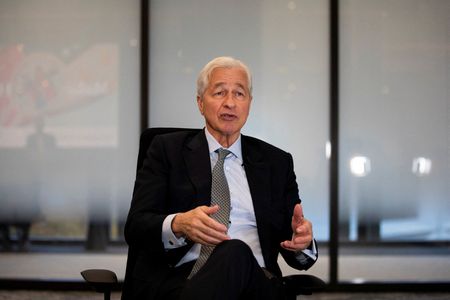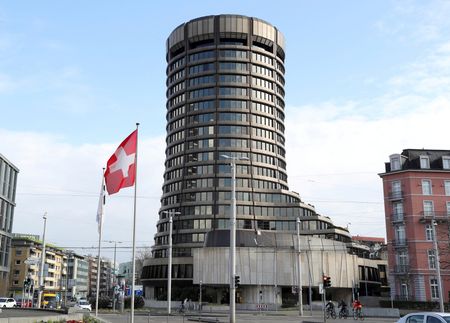

TOKYO, May 11 – Government spending programs should remain focused and short-term rather than widespread, as extensive stimulus measures could fuel inflation and force central banks to hike interest rates, according to the leader of the Bank for International Settlements in a recent interview with Japan’s Nikkei newspaper.
Pablo Hernandez de Cos, who serves as general manager of the BIS, also cautioned that continued unrest in the Middle East could threaten worldwide financial stability, particularly as public debt over the past 15 years has increasingly moved through nonbank financial institutions, including highly leveraged hedge funds.
“In recent weeks, market sentiment has been buoyant, driven by optimism regarding artificial intelligence (AI) developments and the expectations of a rapid resolution to the conflict in the Middle East. If these expectations prove wrong, I can easily see the potential for abrupt market corrections,” he stated in the Monday interview.
The ongoing Middle East conflict has increased market volatility worldwide and prompted several nations, including Japan, to boost spending in order to offset economic damage from rising oil costs.
However, the energy crisis has also intensified pressure on central banks to increase interest rates as a way to fight excessive inflation, even though such moves could slow economic expansion.
According to de Cos, central banks should “look through” temporary supply disruptions provided they don’t destabilize inflation expectations or create damaging secondary effects.
However, he noted that if such disruptions continue, this “look-through” strategy would become harder to maintain, particularly since memories of post-pandemic inflation surges may heighten the likelihood of secondary effects.
“Central banks must carefully monitor these developments and be ready to act if needed,” de Cos was quoted as saying.
“Fiscal support should be targeted and temporary. If it becomes broader and more persistent, inflationary risks increase considerably, possibly compelling central banks to raise interest rates, which would, in turn, dampen economic growth,” he added, according to the Nikkei.
When questioned about media speculation regarding his potential candidacy to replace European Central Bank President Christine Lagarde, de Cos chose not to respond, the report indicated.