
BERLIN (AP) — Germany’s national railway operator announced Tuesday that it will prohibit passengers from drinking alcohol at every station on its network, citing the need to create a safer and cleaner environment for both workers and travelers. Some exceptions, however, will apply — including for bars and restaurants located inside stations.
The railway company, Deutsche Bahn, said the ban will be phased in across all 5,400 stations in Germany by October 15. The policy has already taken effect at 30 stations, including those in Cologne, Hamburg, and Munich. Stations in Berlin — including the central station and the Gesundbrunnen station — are set to follow on September 1, along with several others, before the ban expands to cover the entire country.
“We have observed too often that violence increases where too much alcohol flows,” Deutsche Bahn CEO Evelyn Palla said in a statement.
Palla also referenced a recent violent episode she described as a “brutal and senseless attack,” in which an intoxicated passenger allegedly beat and kicked a security employee during a routine ticket check. The staff member fell from the door of a moving train and sustained injuries as a result.
Anyone caught violating the ban will be removed from the station. Repeat offenders could face a permanent prohibition from entering Deutsche Bahn stations altogether.
The company clarified that food and beverage vendors operating inside stations will not be subject to the ban. Additionally, passengers may still carry sealed bottles or cans of alcohol in their bags or luggage, and the ban does not extend to trains themselves — alcoholic beverages continue to be available for purchase in dining cars on many long-distance routes.
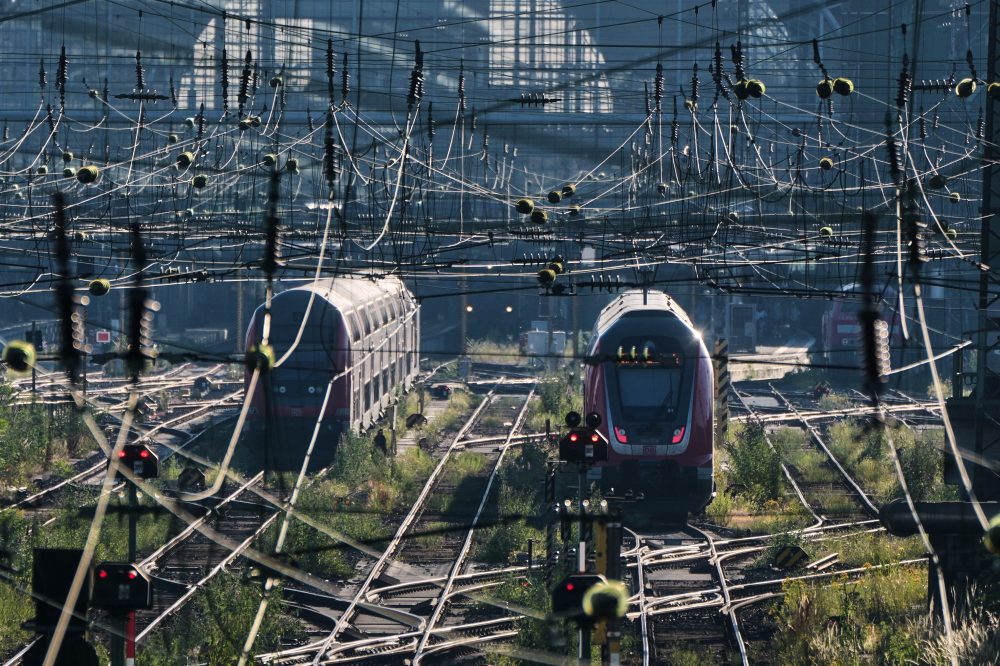
Germany is the European Union’s most populated nation and operates a rail network stretching approximately 33,400 kilometers — roughly 20,750 miles — with an average of 50,000 trains running each day. Deutsche Bahn’s infrastructure division describes it as the largest railway network in Europe.