
ATLANTA — A massive budget crisis has left Georgia’s child welfare system in disarray after officials discovered an enormous $85.7 million funding gap that forced widespread service cuts affecting the state’s most vulnerable children and families.
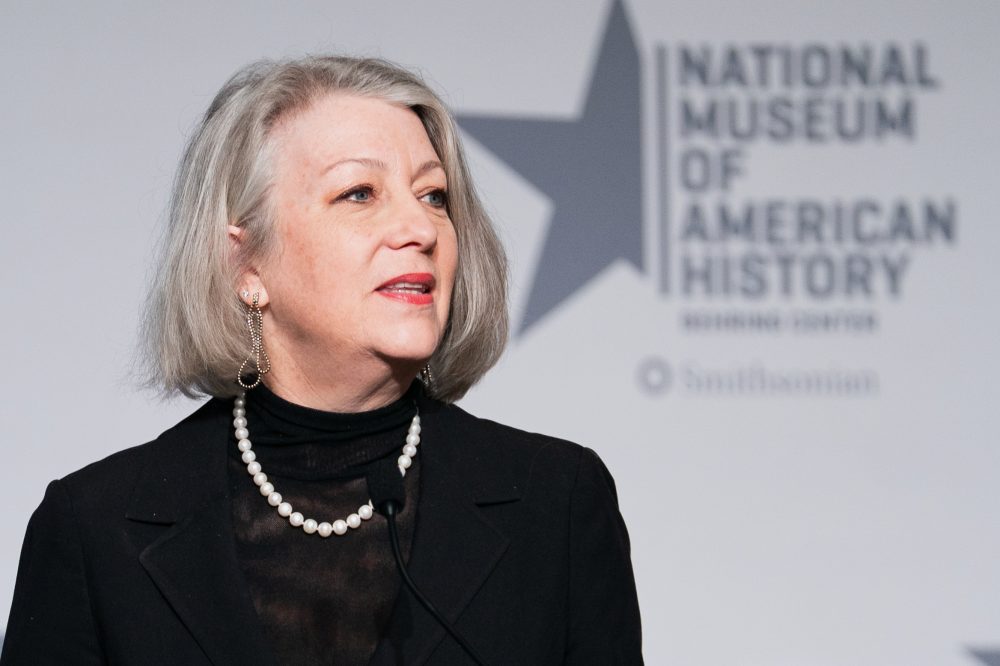
The financial emergency prompted Candice Broce, who leads the Department of Human Services and oversees the state’s child welfare operations, to implement sweeping cost-reduction measures last November. These emergency cuts have resulted in canceled visits between children and their biological parents — meetings essential for family reunification — reduced support for foster families caring for children with special needs, and delayed court hearings when children lack transportation to attend.
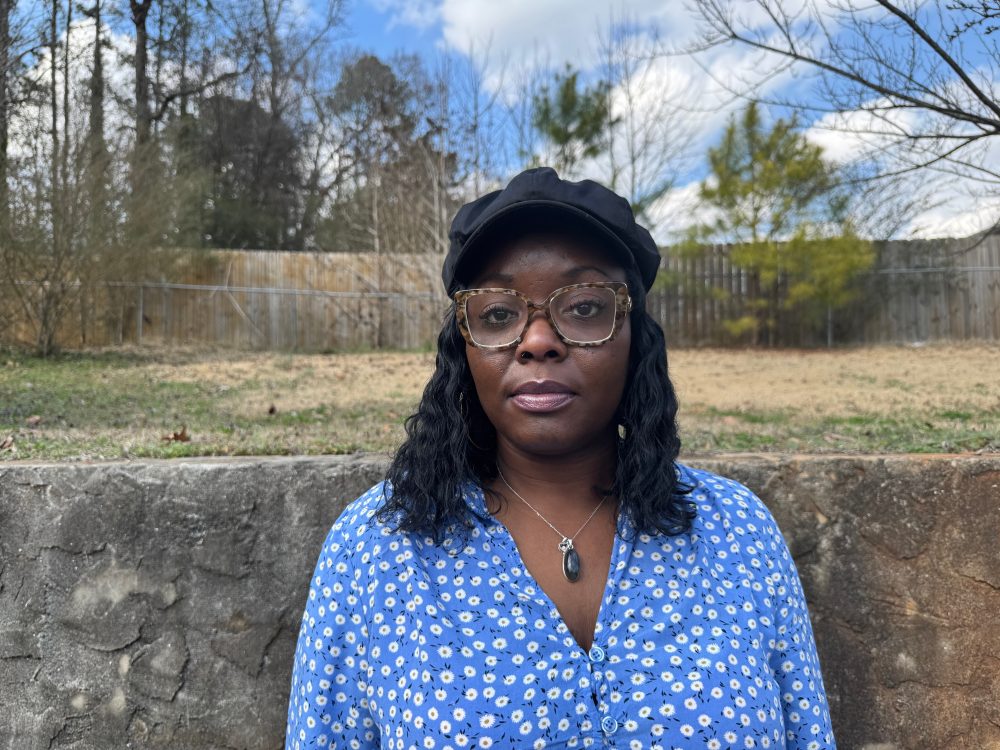
Foster parent Pamela Bruce described her emotional struggle with the situation. “I’m just stuck. I’m stressed out. Emotionally, I’m exhausted,” Bruce explained, adding that her foster son “can’t grow in survival mode” while she fears having to return him to state custody as support services disappear.
State legislators have approved emergency funding to address the shortfall, but families have already endured months without essential services, and recovery delays are expected to continue. Several lawmakers view the emergency funding as a temporary solution and are calling for a comprehensive investigation to understand how the system reached this breaking point.
While child welfare experts acknowledge Georgia’s budget crisis was unusually severe, the state isn’t alone in facing these challenges. A significant factor contributing to Georgia’s financial strain — an unexpected surge of children requiring intensive behavioral health services — represents a nationwide problem. Broce has received recognition for reducing the number of high-needs children housed in hotels, a concerning practice many states employ when other options aren’t available. However, providing appropriate care and placement for children with complex behavioral needs comes with substantial costs.
In response to the deficit, which analysts believe stems from multiple contributing factors, Broce — a long-time supporter of Republican Governor Brian Kemp — ended agreements with underperforming service contractors and instituted new approval requirements for all contracted services beginning in November. Families, legal advocates, legislators, placement agencies, and service providers statewide report dramatic reductions in service referrals and describe operations that have slowed to a crawl.
Ann Flagg, who directs the Office of Family Assistance for the National Association of Counties advocacy organization and previously served in the Biden administration, emphasized the urgency of the situation. “Every day that a family or kid is not receiving the kinds of support that they need, the situation only compounds,” Flagg stated.
In response to criticism, Broce told The Associated Press that service requests “are approved within hours unless we ask for more information.” These contracted services encompass transportation, mental health counseling, psychological evaluations, behavioral support specialists, and numerous other critical supports.
The child welfare division serves as a crucial safety net for children facing dangerous situations. Operating within the broader state Department of Human Services, which manages a $1.06 billion state budget this year, the agency works to protect children from harm, provide healing support for troubled families when possible, and facilitate safe reunification. Georgia’s Division of Family and Children Services maintains a workforce of approximately 7,500 employees.
During legislative testimony, Broce explained that her agency lacks sufficient resources to address the “magnitude” of behavioral and mental health needs among children entering state care. She attempted to reduce expenses by eliminating what she characterized as redundant or unnecessary services, or those that could be covered through the state-federal Medicaid program instead.
“I am being forced to make decisions that nobody wants to make,” Broce informed lawmakers during the hearing.
Despite these cost-reduction efforts, the projected budget gap remained just under $49 million.
Family court attorney Jessica Hall questioned the logic of the cuts, asking, “How in the world are we supposed to reunify the families if we don’t have services in place?”
Broce acknowledged in her statement that some requests “are not being escalated to the State Office for review.”
The human impact of these cuts is evident in Bruce’s foster son’s own words to his caseworker, describing how he had developed a “brotherly relationship” with his behavioral aide — the first such connection the teenager had experienced after moving between multiple homes. That meaningful relationship ended when funding for the aide’s services was eliminated last fall.
The teenager wrote about how missing in-person school with friends due to lack of transportation took a “toll on my mind.” He also observed the financial strain on Bruce, who now pays for ride-sharing services to maintain his family visits and stays home to provide care, making it difficult for her to pay household bills. Bruce remains determined to prevent his placement in a group home facility.
Broce explained that the agency gradually reduces services like behavioral aides for older teenagers who show potential for independence, particularly those involved with the juvenile justice system. She also emphasized her efforts to eliminate “cookie cutter” case plans that don’t address individual family circumstances.
Brittney Kleuger, who serves as CEO of Family Menders — a northwest Georgia organization providing transportation, counseling, and behavioral support services — testified at a recent hearing that her agency typically received 80 to 100 new referrals weekly before the November policy changes. Currently, they receive fewer than 10 referrals each week.
During a conference call with child welfare officials, service providers challenged Broce’s assertions about rapid service approvals and questioned whether the state would continue contracting with their organizations. Kristen Toliver, the agency’s director of delivered services, acknowledged that “the approval process will look different” moving forward but indicated some relaxation of requirements for certain services.
According to Broce, the division has lost over 800 placement beds for children since 2019, and psychiatric facility availability remains severely limited. She noted that transportation and behavioral aide services represent significant expenses and said she’s working to ensure Medicaid covers services that fall under its purview rather than using child welfare funds.
Broce has maintained ongoing disagreements with family court judges, whom she accuses of requesting unnecessary services or removals that increase costs. However, Judge Nhan-Ai Simms, who testified to legislators in 2023 that Broce asked judges to violate state law by inappropriately detaining children with mental and behavioral issues in juvenile detention facilities, disputes this characterization.
“The idea that courts are ordering above and beyond what DFCS has recommended, I think those cases are very few and far between,” Simms responded.
Recent changes to federal regulations have made it more difficult for Georgia and other states to access federal child welfare funding.
Melissa Carter, executive director of the Barton Child Law and Policy Center at Emory University, sees broader systemic issues at play. “The budget instability that we see here to me is just signaling this insufficient long-term fiscal strategy,” Carter observed, suggesting the state should increase investments in family preservation services to qualify for additional federal funding.
Multiple legislators remain unsatisfied with Broce’s explanations for the crisis.
State Representative Mary Margaret Oliver, a Democrat, expressed her concerns about the unprecedented nature of the shortfall. “I’ve been in the budget world a long time, and I’ve never seen a deficit like this,” Oliver said. “I don’t think we can blame the providers for that. I think that’s a management issue.”
Juanita Stedman, a former juvenile court judge who now serves as executive director of Together Georgia, defends Broce against criticism regarding the budget crisis.
“Historically, we have not paid for the complexity of the kids,” Stedman explained.
Regardless of the underlying causes, Bruce worries about the possibility of future budget crises. She described feeling more unsupported by child welfare services during her two and a half years as a foster parent than ever before, but said her greatest heartbreak came from watching her foster son miss regular visits with his biological family.
In his own words to his caseworker, the teenager wrote: “My visits are very important to me because I really love my family.”