
Officials in Gaza are warning of a critical shortage of fuel and essential supplies after Israel shut down all border crossings into the war-torn territory following military action against Iran.
The closure came Saturday after Israel announced coordinated airstrikes on Iran conducted alongside the United States. Israeli military officials have not provided a timeline for reopening the crossings, stating they cannot operate safely during active warfare.
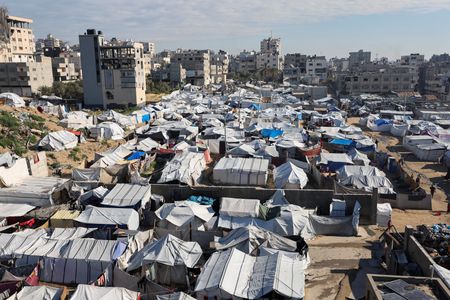
The Palestinian territory relies entirely on fuel deliveries by truck from Israel and Egypt, and the supply shortage threatens to cripple hospitals and disrupt water and sewage systems. The majority of Gaza’s population has been forced from their homes during Israel’s ongoing two-year conflict with Hamas.
United Nations official Karuna Herrmann, who oversees fuel distribution in the region, warned of the dire situation ahead. “I expect we have maybe a couple of days’ running time,” Herrmann stated.
Palestinian aid coordinator Amjad Al-Shawa, who collaborates with UN agencies and non-governmental organizations, provided a similarly grim assessment. He projected fuel reserves might stretch three to four days, while supplies of produce, flour and other basic necessities could also be depleted if border operations remain suspended.
Reuters could not confirm these supply estimates independently.
COGAT, Israel’s military agency overseeing Gaza access, maintained that sufficient food had entered the territory since an October ceasefire began to meet population needs. “(The) existing stock is expected to suffice for an extended period,” COGAT stated without providing specifics. The agency did not address questions about potential fuel shortages.
The ceasefire is part of a broader American-supported initiative aimed at ending the conflict, which includes reopening Egypt’s Rafah border crossing, expanding humanitarian aid deliveries, and reconstruction efforts.
Hamada Abu Laila, among Gaza’s displaced residents, expressed concern that the border closures could trigger another humanitarian crisis similar to the famine that affected portions of the territory last year when Israel halted aid shipments for nearly three months.
“Why is it our fault, in Gaza, with regional wars between Israel, Iran, and America? It is not our fault,” Abu Laila said.