
PARIS — French President Emmanuel Macron will address European security concerns Monday when he delivers a closely anticipated speech updating his nation’s nuclear weapons strategy from a military submarine base.
The French leader plans to detail how his country’s nuclear arsenal factors into European defense planning as continental leaders express mounting anxiety about President Donald Trump’s stance on Ukraine, Greenland and NATO commitments.
Despite escalating Middle East tensions involving Iran, French officials decided to proceed with the previously scheduled address. A presidential aide, speaking on condition of anonymity per standard protocol, explained that current global violence demonstrates why France must maintain its strategic independence against emerging threats.
Across Europe, government leaders are questioning whether the United States will honor its traditional “nuclear umbrella” commitment — the longstanding promise that American nuclear capabilities would shield NATO allies from attack.
As the European Union’s sole nuclear-armed nation, France holds unique significance in continental defense discussions. Macron’s administration indicated the speech will expand upon his 2020 nuclear deterrence remarks, made before Russia’s comprehensive Ukraine invasion transformed European security calculations.
Presidential officials have not revealed specific details about Monday’s announcement.
Several European countries have already accepted Macron’s previous invitation to participate in discussions about French nuclear deterrence and potentially join nuclear training exercises.
German Chancellor Friedrich Merz disclosed earlier this month that he had conducted “preliminary discussions” with Macron regarding nuclear cooperation and publicly suggested German military aircraft might transport French nuclear weapons.
“We have to re-articulate nuclear deterrence,” Macron stated at this month’s Munich Security Council gathering. He described having “strategic conversations” with Merz and other European leaders “in order to see how we can articulate our national doctrine, which is guaranteed and controlled by the Constitution, with special cooperation, common exercises and common security interests.”
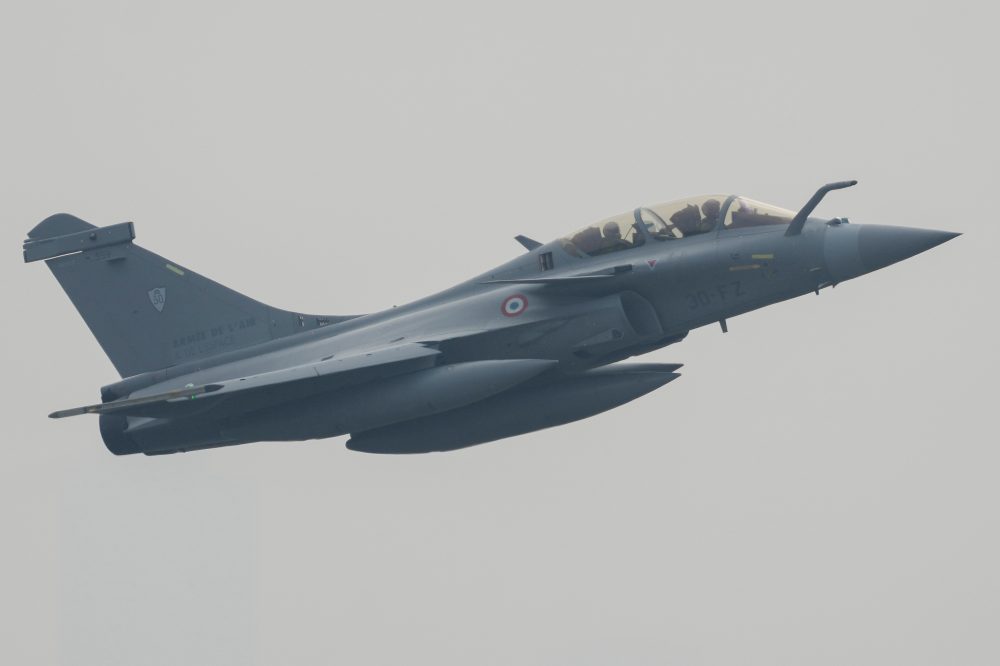
France and Britain established a joint agreement in July enabling their independent nuclear forces to operate in “coordinated” fashion. The United Kingdom, though no longer an EU member while remaining a NATO partner, represents Europe’s only other nuclear-capable nation.
Macron has repeatedly emphasized that authority over French nuclear weapons deployment remains exclusively with France’s president.