
French President Emmanuel Macron and German Chancellor Friedrich Merz are scheduled to address the struggling FCAS fighter aircraft program during their meeting ahead of this week’s European Union summit, according to two sources with knowledge of the situation.
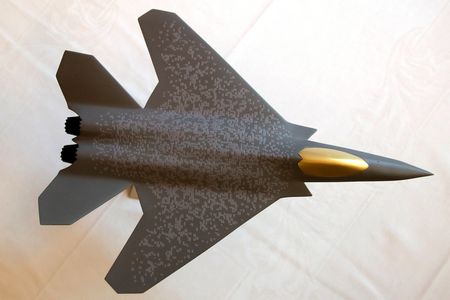
The ambitious $100 billion initiative to create an advanced air combat system alongside Spain faces potential collapse as French aerospace giant Dassault Aviation and Airbus clash over project leadership and control.
While Macron’s office has verified the planned meeting between the two leaders before the March 19-20 summit, officials would not confirm whether the fighter program will be part of their discussions.
The initiative was originally launched by Macron and former German Chancellor Angela Merkel in 2017, with Spain becoming a partner at a later date.
The ambitious program envisions a digitally integrated network of piloted fighter aircraft and unmanned combat drones designed to succeed the Dassault Rafale and Airbus-supported Eurofighter beginning in 2040. However, the participating companies have reached an impasse regarding the upcoming phase that includes building a test aircraft.
Dassault is demanding greater authority over the primary fighter aircraft component, including supplier selection rights, while proposing to grant Airbus similar autonomy in areas where it currently leads. Airbus maintains that current agreements establishing equal partnership should remain unchanged.
The relationship between these aerospace companies has deteriorated significantly, with most project participants doubting its continuation. However, the ultimate decision rests with national leadership, and Macron appears to oppose German industry calls to terminate the program.
During a trip to New Delhi last month, Macron rejected the notion that corporate disagreements should influence government decisions regarding strategic defense development.
“There have been frictions between companies; that’s the life of business and of human organisations. But should that decide the strategy of states? The answer is no,” he told a news conference.
Should the French-German-Spanish initiative, known by its French acronym SCAF, fail, it would likely prompt a reorganization of partnerships within Europe’s divided defense manufacturing sector.
Germany has historically collaborated with Britain on advanced fighter development, though Britain is now participating in the rival GCAP fighter program with Japan and Italy.
Sweden, manufacturer of the independent Saab Gripen aircraft, is evaluating its future position in the fighter market and could potentially partner with Airbus if the FCAS program fails.