
Sheikh Hamad bin Khalifa Al Thani, the former Qatari emir who steered his nation from a regional player to a major international force across 18 years of rule, passed away at the age of 74, according to state media reports released Sunday. Qatar’s government-run news agency confirmed the death but offered no information regarding the cause.
Sheikh Hamad came to power in 1995 by ousting his father, Sheikh Khalifa, in a peaceful palace coup. He governed the country until June 2013, when he voluntarily stepped aside and transferred authority to his son, Sheikh Tamim bin Hamad Al Thani — a relatively rare act of voluntary abdication in the region.
Throughout his tenure, the energy-wealthy nation grew its global footprint considerably. Among his most notable achievements was the founding of the Al Jazeera satellite news network. Qatar also made significant overseas investments, including a stake in London’s Harrods department store, and won the bid to host the 2022 FIFA World Cup.
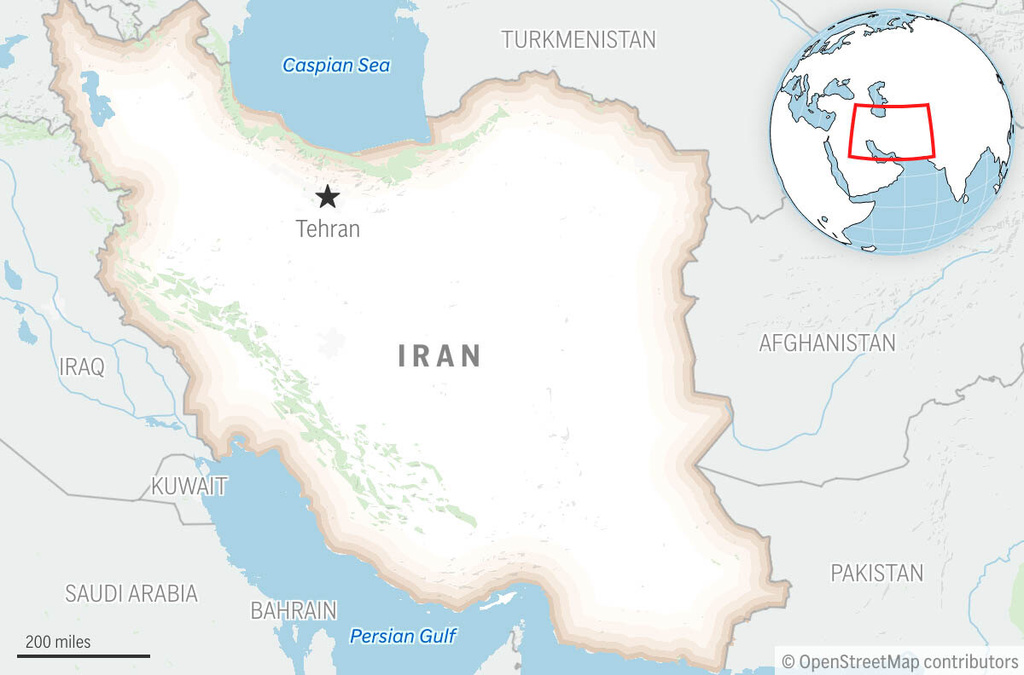
Sheikh Hamad charted an independent course in foreign affairs, cultivating relationships with Iran, Hamas, and Egypt’s outlawed Muslim Brotherhood — moves that created friction with certain regional neighbors and Western partners. At the same time, Qatar became home to a critical Pentagon logistics hub following the September 11, 2001 attacks and the subsequent U.S.-led military campaigns in Afghanistan and Iraq.
Qatar also carved out a role as a neutral mediator in several international disputes, including conflicts involving Sudan’s Darfur region, rival Lebanese political factions, and the competing Palestinian groups Hamas and Fatah.
In October 2012, Sheikh Hamad made history by becoming the first head of state to set foot in the Gaza Strip since Hamas had taken control five years prior. During the visit, he pledged $400 million in development projects and investments. Earlier, in 2007, he had met with Israel’s then-Foreign Minister Tzipi Livni at the United Nations General Assembly. Qatar had permitted Israel to maintain a trade office in its capital, Doha, until closing it in response to Israeli military operations in Gaza in late 2008.
When the Arab Spring swept the region, Qatar dispatched warplanes to support NATO-led operations against forces loyal to Muammar Gaddafi in Libya and provided both military assistance and financial backing to Libyan rebel groups. The country also emerged as a leading political supporter of opposition forces fighting then-President Bashar Assad in Syria.
In the period just before his abdication, Sheikh Hamad oversaw the formal opening of an official office for Afghanistan’s Taliban in Qatar, a move that eventually paved the way for negotiations between the Taliban and the United States.
When Sheikh Hamad announced he was stepping down, he addressed the Qatari people with a message of optimism: “The future lies ahead of you, the children of this homeland, as you usher into a new era where young leadership hoists the banner.”