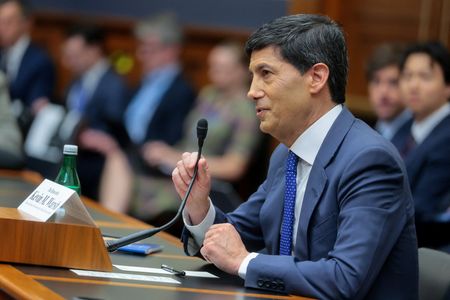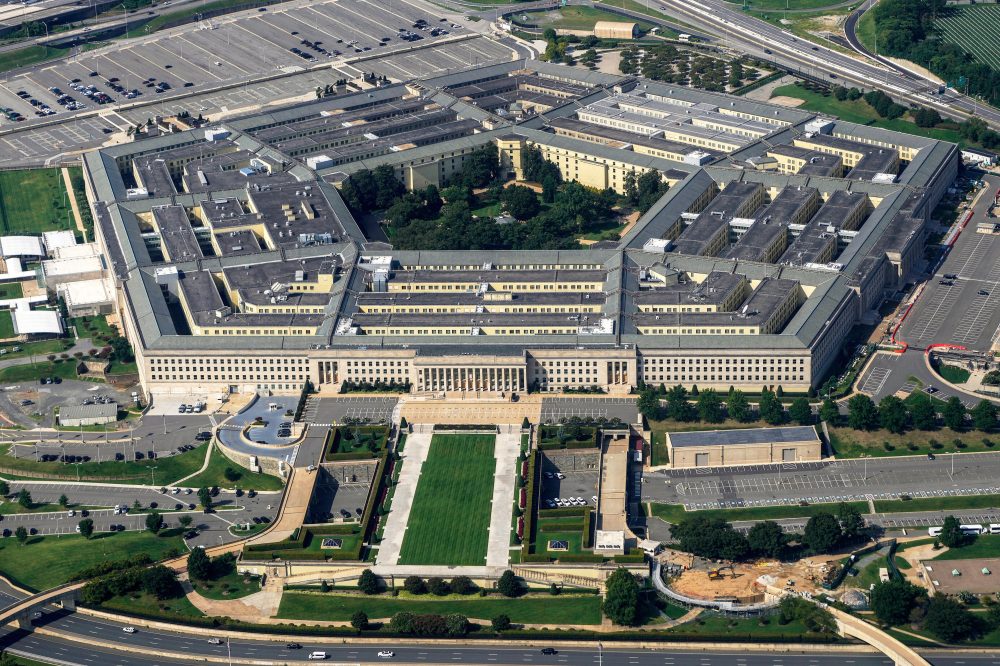

WASHINGTON — Legal representatives for The New York Times made their case Friday before a federal judge, arguing that restrictive Pentagon policies are preventing journalists from providing Americans with crucial information about military activities during wartime.
During the initial court hearing for the newspaper’s lawsuit against the Defense Department, Times lawyer Theodore Boutrous emphasized to U.S. District Judge Paul Friedman the critical need for public awareness, stating: “It’s more important than ever for the public to know as much as they can.”
While Judge Friedman did not issue an immediate decision on whether to compel the Pentagon to restore press credentials for reporters who departed the facility last October rather than accept the new restrictions, his comments indicated doubt regarding central elements of the government’s justification for the policy.
The judge, appointed by former Democratic President Bill Clinton, expressed that it is “more important than ever” for Americans to access “a variety of views” concerning federal government operations and leadership decisions.
“A lot of things need to be held tightly and secure, but openness and transparency allows members of the public to know what their government is doing,” Friedman stated.
Justice Department lawyer Michael Bruns defended the credentialing requirements as serving the government’s “compelling interest” and fulfilling its “statutory obligation” to safeguard national security information.
“This is not a trivial exercise,” Bruns contended.
Friedman indicated his intention to render “as prompt a decision as I can, because I know it’s important for lots of reasons.”
The Times filed suit against the Pentagon and Defense Secretary Pete Hegseth in December, alleging the credentialing requirements infringe upon journalists’ constitutional protections for free speech and due process.
Times representative Charles Stadtlander referenced recent U.S. military actions against Iran and resulting American military casualties, saying these events “illuminate the public’s right to access deep, impartial reporting on the details of the military actions happening as we speak.”
“Today was an important opportunity for The New York Times’s lawyers to make our case for the clear importance and public service of allowing journalists to report fully on the Pentagon,” Stadtlander commented.
The Pentagon’s current press pool consists primarily of conservative media organizations that accepted the policy terms. News outlets that declined the new requirements, including The Associated Press, have maintained their military coverage from locations outside the building.
Separately, The Associated Press awaits a ruling from a three-judge appeals court panel regarding its own legal challenge against the Trump administration. The AP alleges retaliation through reduced access to presidential activities due to the outlet’s refusal to adopt the president’s renaming of the Gulf of Mexico.
Pentagon officials have defended their approach as implementing “common sense” regulations that shield the military from potential national security breaches.
“The goal of that process is to prevent those who pose a security risk from having broad access to American military headquarters,” government lawyers stated.
Times legal counsel argues the policy aims to suppress critical media coverage of President Donald Trump’s administration.
“The First Amendment flatly prohibits the government from granting itself the unbridled power to restrict speech because the mere existence of such arbitrary authority can lead to self-censorship,” they contended.
The newspaper also challenges the Pentagon’s inconsistent application of its regulations. The Times highlighted that Trump supporter Laura Loomer, a right-wing commentator who accepted the Pentagon requirements, seemingly violated policies against soliciting unauthorized information through her “tip line” promotion.
Government officials did not object to Loomer’s “general tip line” while determining that a Washington Post tip line breaches policy because it allegedly “targets” military personnel and department staff.