
WASHINGTON — Federal authorities allocated $750,000 to hire a private yacht for evacuating one American citizen from a distant South Pacific island following her potential exposure to hantavirus aboard a cruise vessel, creating additional pressure on the State Department’s emergency response budget.
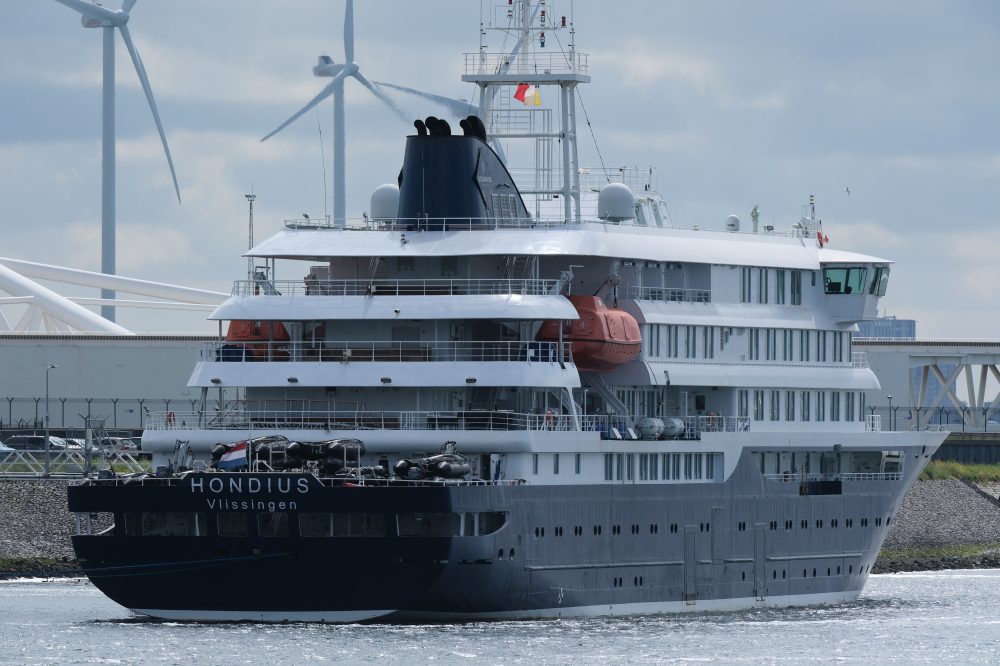
The citizen, who potentially contracted the virus during her time on the Dutch MV Hondius cruise vessel in April, had disembarked and flown to San Francisco before journeying to the isolated British territory of Pitcairn Island via Tahiti, according to two federal officials and internal government documentation acquired by The Associated Press.
The complete evacuation cost remains under evaluation as the operation continues. Both officials requested anonymity when discussing a medical situation protected by federal privacy regulations.
This expensive rescue mission has increased costs alongside rapid evacuations for diplomats and American civilians from Middle Eastern regions since Iran war tensions began, plus preparations for potential evacuations from Ebola-affected nations. These situations have depleted the State Department’s emergency response budget, called the “K Fund,” bringing it to its lowest point in seven years.
Additional internal documentation revealed the State Department is considering transferring up to $50 million into the emergency fund from other sources — $35 million from embassy security, construction and maintenance budgets, plus another $15 million from diplomatic programming accounts. No final decision regarding these transfers has been reached.
One official noted the State Department could alternatively request Congressional funding to restore the emergency account. However, the official indicated the department should manage payments for current and “emerging contingency needs.”
While declining to specify the potential budget shortfall, the official maintained the department remains “well positioned” to support diplomats, federal employees and American citizens forced to evacuate Middle Eastern areas due to Iran tensions, plus Americans requiring help from situations like the African Ebola outbreak.
State Department representatives refused to discuss details of the woman’s Pitcairn Island situation but stated that “when an American is at risk abroad and unable to access commercial transportation, the Department of State seeks to provide appropriate assistance to get them home to the United States or to another safe location.”
Following the woman’s departure from the cruise vessel where the hantavirus outbreak happened, the ship traveled to additional South Atlantic locations, with several passengers becoming sick and at least three deaths occurring. The unnamed American citizen became stranded on Pitcairn, an island housing approximately 50 residents, lacking an airport and having limited maritime departure options.
Pitcairn gained fame as the refuge location for Fletcher Christian and fellow British mutineers from HMS Bounty following the 1789 incident that overthrew Capt. William Bligh, events immortalized through “Mutiny on the Bounty” books and movies. Their offspring comprise most of the island’s present inhabitants.
British officials had requested urgent American help evacuating the woman from their territory, adding complexity to the situation, according to government cost documentation and the second federal official.
However, initial plans to transport her to Tahiti, a French territory located approximately 1,350 miles (2,160 kilometers) — roughly a 30-hour ocean voyage — from Pitcairn, faced rejection from French Polynesian officials. They refused entry because she hadn’t revealed her exposure during her previous transit through the island en route to Pitcairn.
The federal government is moving the asymptomatic woman from Pitcairn to Easter Island, another distant Pacific location roughly 1,400 miles (2,253 km) away, which belongs to Chile and offers direct Santiago flights, enabling her United States return for potential medical care.
These circumstances meant arranging her transport from Pitcairn to Easter Island required many weeks of planning, officials reported.
Government documentation, verified by both officials, indicated the woman’s Pitcairn departure was ultimately coordinated through the “Titaina Explorer” trimaran yacht belonging to a wealthy French owner who uses the vessel for South Pacific exploration. Pitcairn lacks airport facilities and has restricted ocean access.
Officials confirmed the woman possessed no political or celebrity ties and they remained uncertain about her exact United States return timing. Maritime tracking websites indicate the Titaina Explorer left Pitcairn Island on June 5. The Easter Island journey can require up to 10 days based on vessel speed and weather conditions.