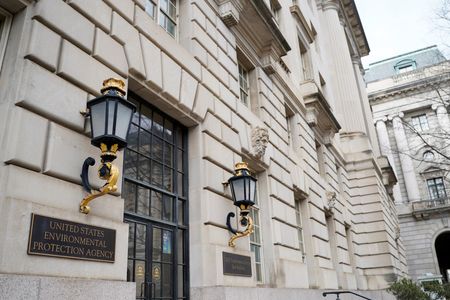

Two major federal agencies revealed Thursday their plans to begin tracking microscopic plastic particles and pharmaceutical compounds in America’s drinking water systems, marking the initial phase of evaluating potential health dangers and developing new safety regulations.
EPA Administrator Lee Zeldin and Health Secretary Robert F. Kennedy, Jr. celebrated the joint initiative as an achievement for President Donald Trump’s “Make America Healthy Again” movement, which has focused on reducing recommended childhood vaccinations and encouraging whole food consumption in updated nutritional standards.
The Environmental Protection Agency will now add these microscopic plastics and pharmaceutical substances to its sixth Contaminant Candidate List, triggering testing and surveillance requirements under the Safe Drinking Water Act while securing research funding that could lead to future regulations if these materials pose threats to public water supplies.
Environmental advocates and MAHA supporters have previously criticized Zeldin and the EPA for not adequately responding to their concerns about microscopic plastics and for failing to implement stricter pesticide regulations.
Kennedy’s supporters and his “MAHA” movement played a significant role in Trump’s 2024 election victory.
Last year, seven state governors from locations including New Jersey and Michigan, along with 175 environmental and public health organizations, submitted a legal petition demanding the EPA include microscopic plastics on its monitored contaminants registry. Officials update this registry every five years.
These tiny plastic fragments have been found throughout the environment, from human tissue to water supplies to ocean floors and Arctic ice formations. Research studies have connected them to cancer risks and reproductive system damage.
During Kennedy’s 2024 Democratic primary campaign, he promised to address plastic contamination, including manufacturing processes. He subsequently supported Republican nominee Trump, whose administration recently advised nations to reject proposals limiting plastic production in a potential United Nations pollution control agreement.
Pharmaceutical substances contaminate water sources through incorrect disposal methods and human biological waste.
“By placing microplastics and pharmaceuticals on the Contaminant Candidate List for the first time ever, EPA is sending a clear message: we will follow the science, we will pursue answers, and we will hold ourselves to the highest standards to protect the health of every American family,” Zeldin said in a statement.
Officials will also establish human health safety standards for 374 pharmaceutical compounds requiring monitoring.