
WASHINGTON — Federal health officials say they are standing by their investigation into Taylor Farms lettuce as the origin of a multistate outbreak of a diarrhea-causing parasite, even after an inaccurate test result was briefly made public over the weekend.
Officials with the Food and Drug Administration said Monday that a laboratory test wrongly showed a positive result for cyclospora on a Taylor Farms lettuce sample. The FDA posted that finding to its website Saturday, only to walk it back Sunday after determining the result was a false positive.
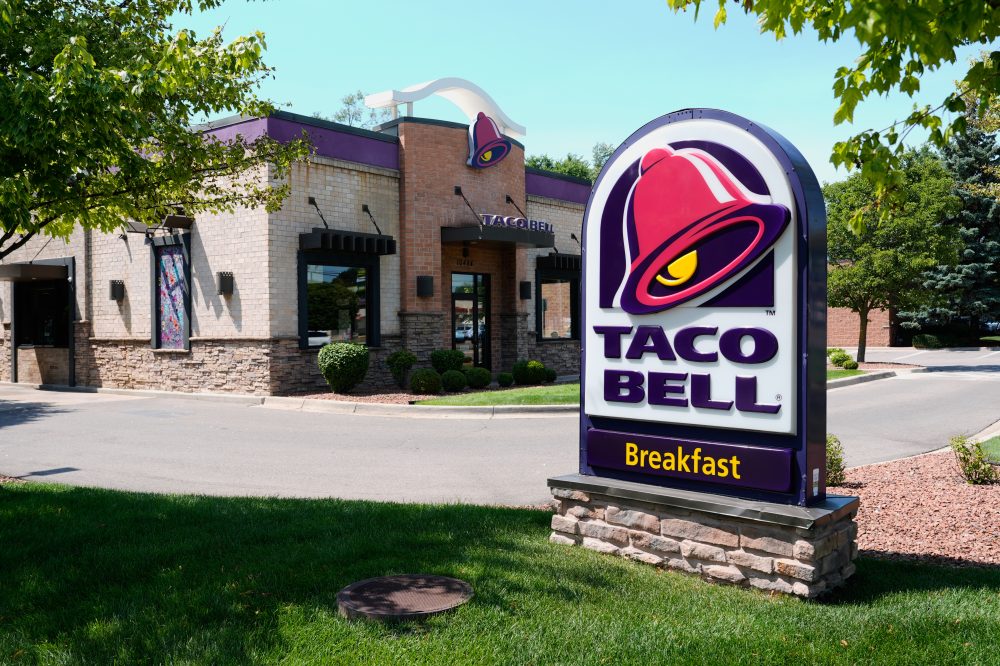
Investigators had already been tracking a surge in cyclospora cases, initially connecting the outbreak in five states to lettuce served at Taco Bell restaurants. On Saturday, Taylor Farms announced a recall of 25 shredded lettuce and salad mix products sold under eight different brand codes — items used by multiple U.S. food chains and suppliers.
“FDA’s traceback investigation and the outbreak data continue to converge on shredded iceberg lettuce from Taylor Farms’ locations in central Mexico,” said Donald Prater, the FDA’s acting food chief, speaking to reporters Monday.
Beyond tracing the lettuce supply chain, FDA staff have also begun testing produce samples as they cross the U.S. border.
The agency said the false positive came from a rapid screening test used to detect traces of cyclospora. The sample that triggered the initial alarm was from Taylor Farms but was not part of the company’s recall. FDA officials said they felt obligated to inform the public when the result first came in.
A follow-up quality control review revealed the finding was a mistake, and the FDA notified Taylor Farms on Sunday. The company then promoted the corrected results on social media, claiming the FDA had apologized. Agency officials pushed back on that characterization, saying no formal apology was issued.
Cyclospora is a microscopic parasite that contaminates food when produce comes into contact with human feces — most often through irrigation or washing with tainted water. Once consumed, the parasite triggers intestinal illness characterized by what the CDC describes as “frequent and sometimes explosive bowel movements.”
So far in 2026, cyclospora has made at least 1,645 people in the United States ill and put 141 in the hospital, according to the FDA and CDC. Investigators are currently tracking five separate illness clusters, including the one tied to Taylor Farms.
Kyle Diamantas, the FDA’s acting commissioner, said health officials are still seeing new cases linked to the latest outbreak, with some reported as recently as last week.
“Which means it’s imperative for us to take action to ensure that contaminated product is not making its way to the market,” Diamantas said.
The outbreak has already had a measurable impact on restaurant traffic. As of Friday, foot traffic was down at several dining chains compared to their day-of-the-week averages from January 1 through July 6, according to the location analytics firm Placer.ai, which monitors movement patterns using cellphone data.
Taco Bell saw the steepest drop at 18.9%, after being named in the federal investigation. Chopt experienced a 14.3% decline. Both Chipotle and Panera Bread saw traffic fall by roughly 7%, while Cava’s decrease was smaller at 4.2%.
Food safety investigators frequently struggle to establish a direct biological link between recalled produce and foodborne illness outbreaks. Many standard tests are not designed to detect cyclospora, and because the parasite cannot be cultivated in a laboratory setting, gathering hard evidence from contaminated food is especially difficult.
As a result, investigators typically piece together conclusions using reports of what sick individuals ate, the geographic and timing patterns of cases, and other circumstantial evidence.