
Despite an unprecedented flow of real-time information from credible sources, conspiracy theories began circulating online within moments of Saturday night’s shooting incident.
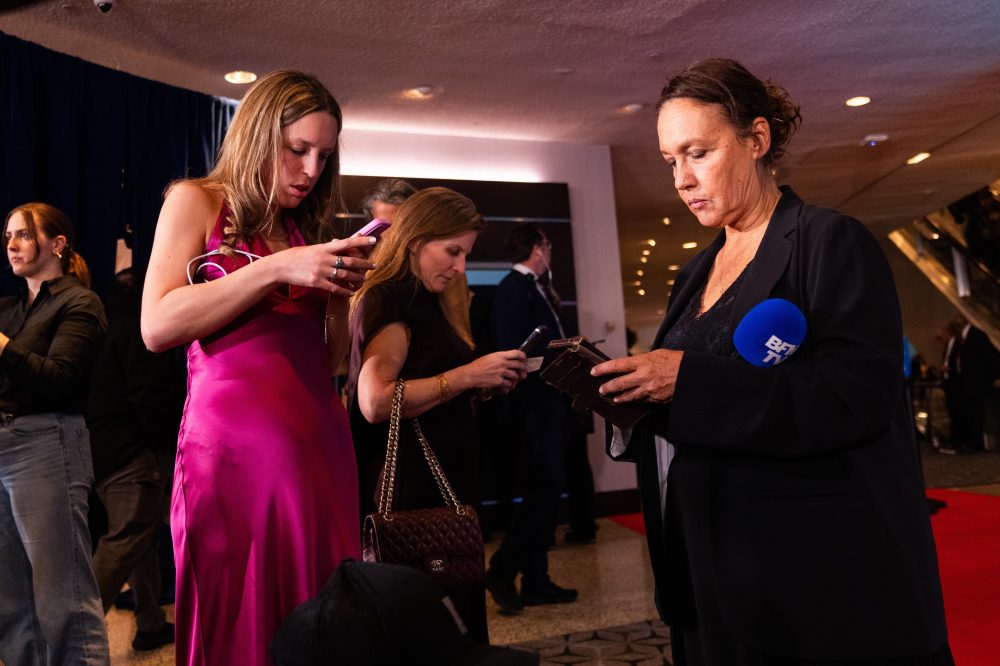
The violence that erupted during the White House Correspondents’ Dinner with President Donald Trump in attendance unfolded before hundreds of the country’s top journalists and news executives, who immediately began providing comprehensive coverage from inside the venue.
The result was continuous, verified reporting from numerous trusted news organizations — far from any shortage of reliable information. Yet baseless conspiracy theories from across the political spectrum emerged rapidly, particularly claims suggesting the entire incident was orchestrated. Some theories ignored established facts entirely, while others twisted accurate information to support false conclusions.
University of Maryland professor Jen Golbeck, who researches conspiracy theories, explained that institutional distrust combined with difficulty distinguishing truth from falsehood creates ideal conditions for such speculation. However, she noted that conspiracy theories can gain traction even amid abundant factual reporting due to their appeal as entertainment.
“The thing about conspiracy theories that makes people enjoy them, even if they’re not politically extreme, is that you get to go looking for breadcrumbs,” she said. “It’s a way to feel smart and accepted when you come up with a nugget to contribute and people like it.”
While the immediate presence and coordinated reporting of hundreds of professional journalists prevented some false narratives from taking hold, many conspiracy theories still gained momentum online.
A widespread but baseless claim suggested the shooting was deliberately planned, either to divert attention from matters like the Iran conflict or to advance Trump’s White House ballroom renovation project. This theory gained traction partly because Trump referenced the incident as justification for his ballroom plans, and because the Justice Department is citing it in efforts to convince preservationists to abandon their legal challenge to the $400 million construction project.
Other unfounded speculation, lacking any credible support, implicated the Israeli government or military — a claim that often serves as an antisemitic stereotype. Additionally, press secretary Karoline Leavitt’s pre-dinner Fox News interview comment that “there will be some shots fired tonight in the room” — clearly referring metaphorically to Trump’s planned remarks — was misconstrued as advance knowledge of the actual shooting.
Many conspiracy theorists drew connections between Saturday’s incident and the July 2024 assassination attempt against Trump at his Butler, Pennsylvania rally, pointing to similarities like delays in removing the president from danger. Some cited footage showing Vice President JD Vance being evacuated first as supposed proof that Trump and Secret Service agents had prior knowledge of the attack.
University of Minnesota professor Emily Vraga, who specializes in political misinformation research, explained that increased information doesn’t always improve understanding, particularly during politically divisive periods when people selectively choose facts to construct their preferred narratives.
“We just can’t process that much information,” she explained. “And so when there is just this flood of information and it’s contradictory and ever-changing as new information comes in, that can actually reinforce this tendency to go to a simplified, understandable narrative. And that narrative can include conspiracy theories.”
She added, “Meaning doesn’t have to be tied to reality.”