
European drug authorities have given their approval to a revolutionary treatment for sleeping sickness that could dramatically accelerate efforts to wipe out the deadly disease across Africa.
The European Medicines Agency committee approved acoziborole, developed by pharmaceutical company Sanofi, on Friday. This approval represents a vital milestone toward making the medication accessible in the Democratic Republic of Congo, where sleeping sickness cases are most prevalent, and eventually throughout other African nations.
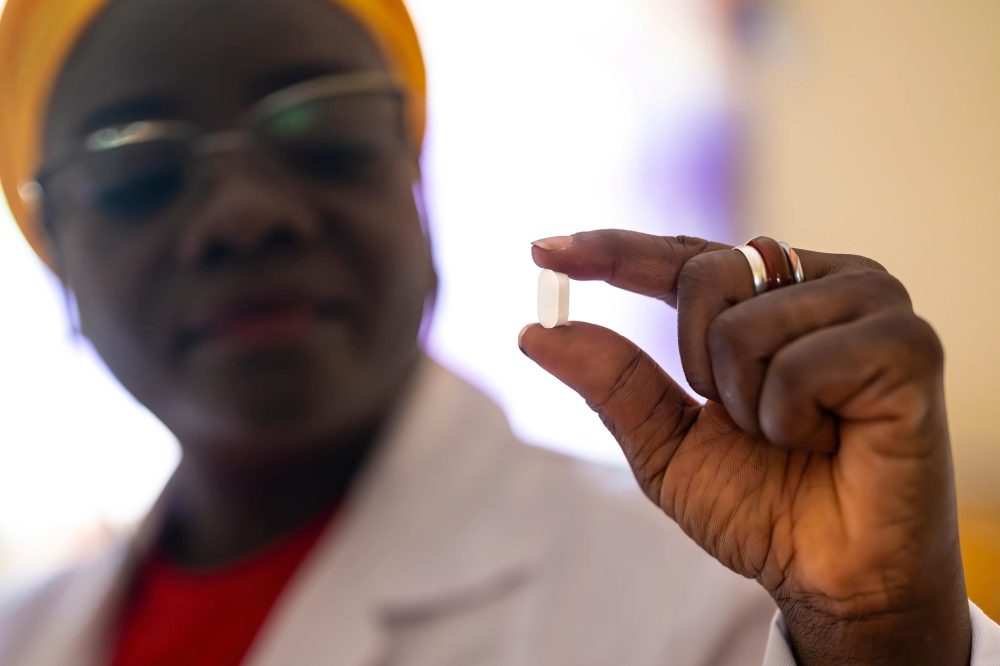
Advocates for the treatment explain that just three tablets taken simultaneously in a single dose offer a much simpler and more accessible option compared to existing treatment protocols, which often force patients to make difficult journeys to medical facilities.
“This disease is on the brink of elimination” and the new drug could accelerate progress toward finishing the job, said Dr. Junior Matangila of the Drugs for Neglected Diseases initiative, an international organization focused on new treatments.
Should sleeping sickness be successfully eliminated, Sanofi representatives point out it would mark the first instance of an infectious disease being eradicated without using a vaccine.
However, Monica Mugnier, who studies sleeping sickness at Johns Hopkins University, believes while the medication represents a significant treatment advancement, it remains unclear how transformative its approval will ultimately prove. Uncertainties still exist regarding where the disease-causing parasite may be hiding, she noted.
“This isn’t solved yet,” she said.
The disease spreads through tsetse fly bites, insects found exclusively in rural areas of sub-Saharan Africa. These flies transmit a parasite to humans through their bites.
Initial symptoms may resemble flu-like illness, but conditions deteriorate as parasites multiply and spread throughout the body, eventually reaching the nervous system. The characteristic symptom that gives the disease its name involves disrupted sleep patterns where patients stay awake during nighttime hours but feel drowsy throughout the day. Without treatment, patients may fall into comas and die.
Scientists have struggled to create a vaccine against this microscopic, worm-like parasite due to its remarkable ability to change its protein exterior, making it extremely challenging to develop lasting immune protection, Mugnier explained.
Fighting the parasite has depended on strategies to eliminate the flies and medications to treat infected individuals. Progress has been challenging, as many affected people live in isolated regions far from medical centers.
“It’s a disease of poverty,” said Matangila, who is based in Congo.
Cases of sleeping sickness increased significantly during the 1970s and 1990s when political and economic turmoil plagued sub-Saharan Africa. The situation was worsened by available medications that were both toxic and caused severe pain.
Medical treatments began improving in the early 2000s, contributing significantly to a sharp decrease in reported infections. By 2009, cases fell below 10,000 for the first time in fifty years. In 2024, fewer than 600 cases of the most prevalent form of sleeping sickness were reported, though the actual number of infected but undiagnosed individuals remains unknown.
The World Health Organization has established an objective to halt transmission of this form of sleeping sickness by 2030.
Existing treatments can span ten days and demand challenging travel from remote villages to hospitals. Many patients have required spinal procedures to help physicians determine infection stages and appropriate medications.
This is where acoziborole makes its impact. A small but critical study involving approximately 200 patients in Congo and Guinea showed that over 95% of treated patients were considered cured after 18 months.
Sanofi representatives used this research to seek approval for the medication to treat the most common type of human sleeping sickness. The drug can treat patients 12 years and older for both early and advanced infections, eliminating the need for spinal procedures.
Sanofi has committed to donating doses to the World Health Organization, ensuring patients receive the medication at no cost.